
 Image 1 of 4
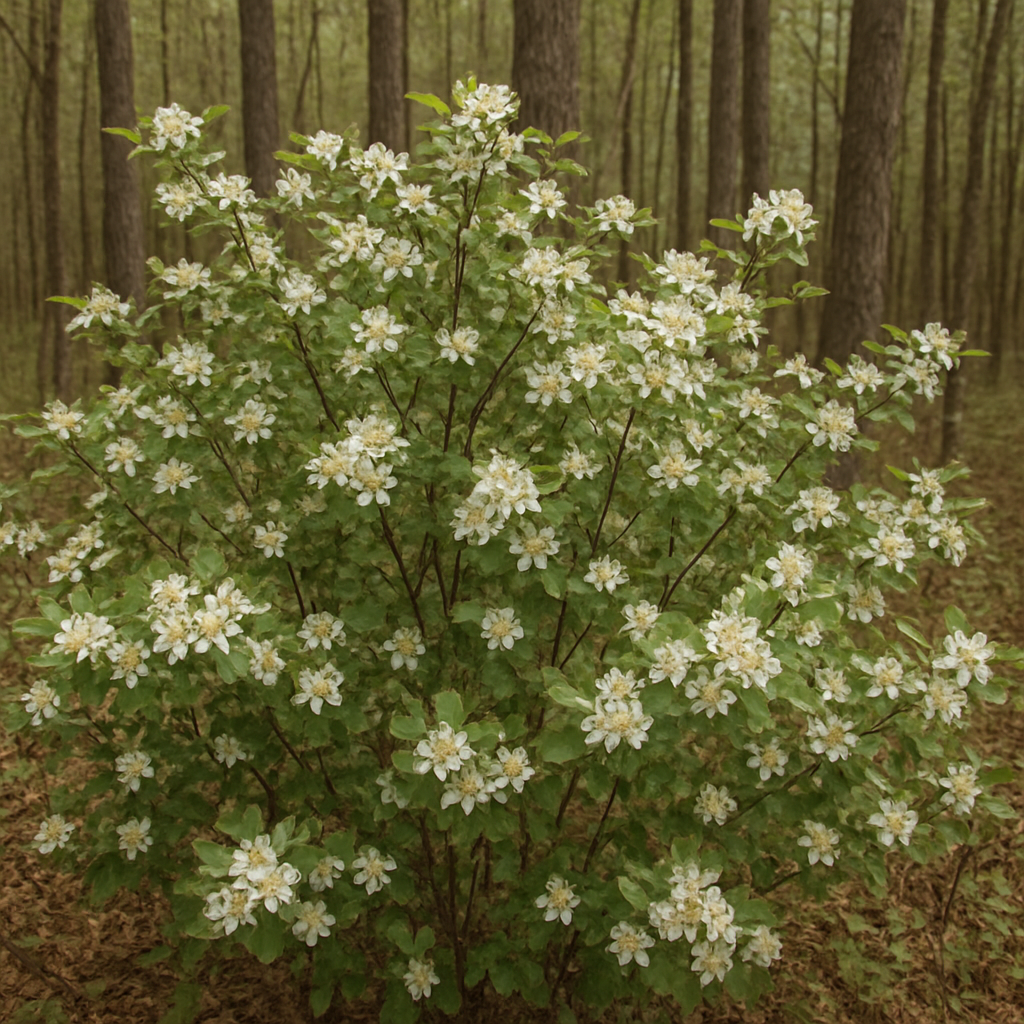 Image 2 of 4
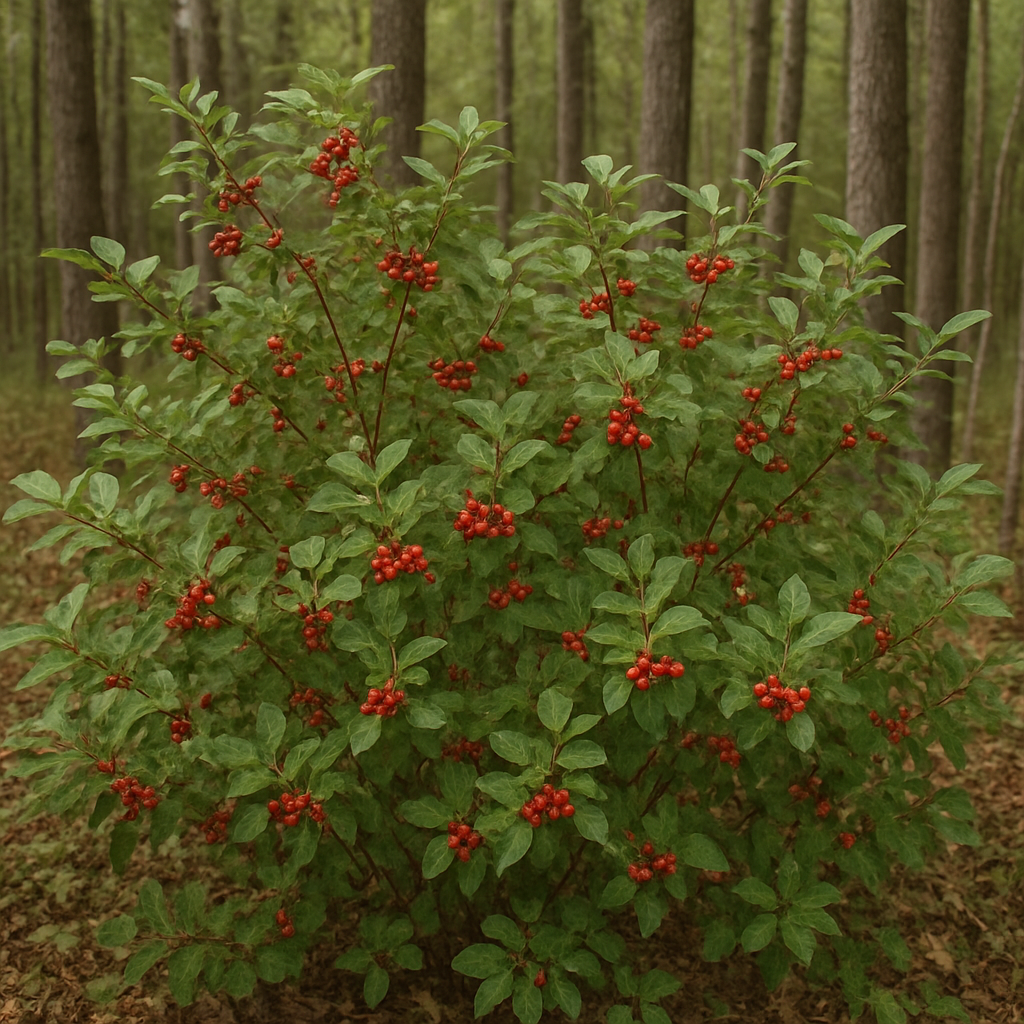 Image 3 of 4
 Image 4 of 4
Crataegus opaca
Western Mayhaw Shrub
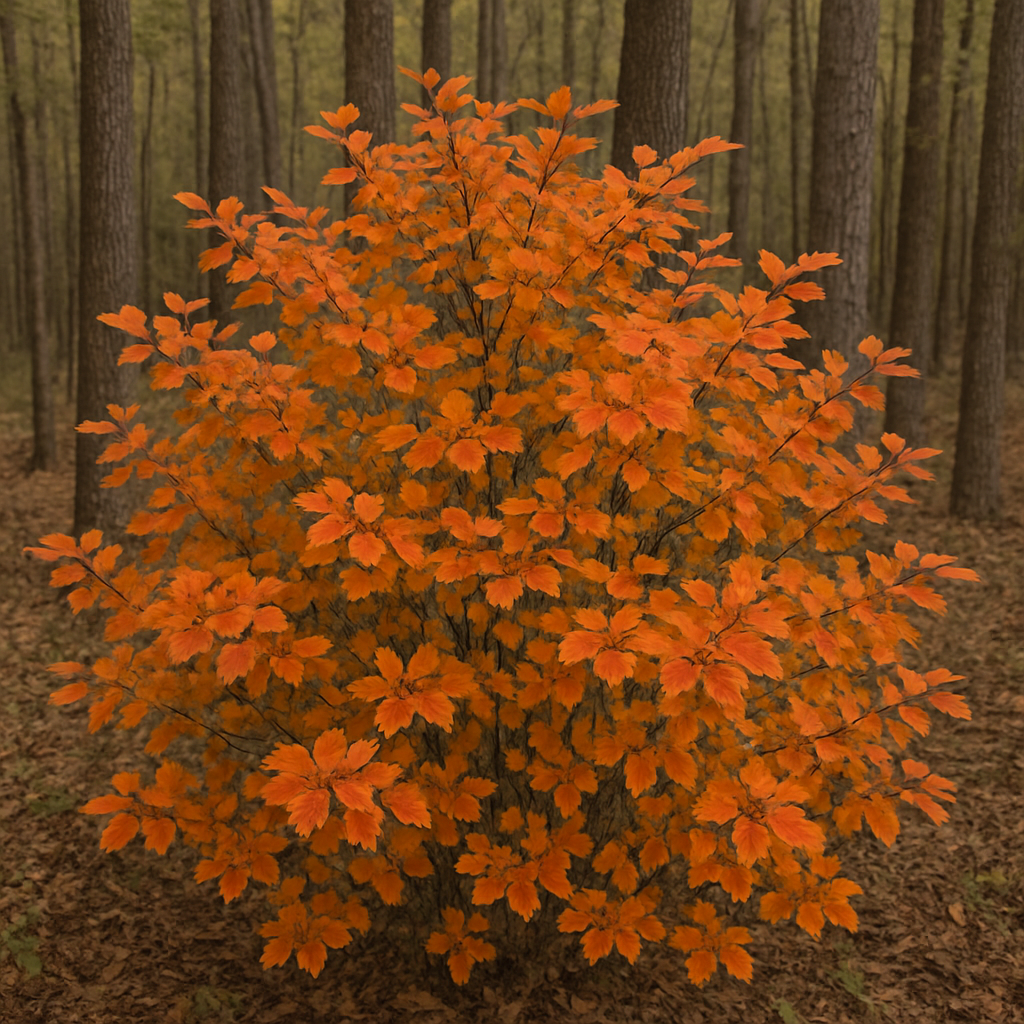
The Western Mayhaw Shrub is a charming, fruit-bearing native prized for its springtime white blossoms and tart red fruit used in legendary Southern jellies. Thriving in wet soils and flood-prone areas, this hardy shrub or small tree is a cornerstone of native food forests and edible hedgerows.
Beloved by birds, bees, and jelly makers alike, the Western Mayhaw is both beautiful and practical — a Southern heirloom that earns its keep.
Western Mayhaw Shrub Overview
|
Attribute |
Details |
|
🌿 Botanical Name |
Crataegus opaca |
|
🏷️ Common Names |
Western Mayhaw, River Mayhaw, Mayhaw Hawthorn |
|
🌳 Mature Height |
10–25 feet |
|
🌐 Mature Width |
10–20 feet |
|
📈 Growth Rate |
Moderate (12–24" per year) |
|
⏳ Lifespan |
30–50+ years |
|
🧊 USDA Zones |
6–9 |
|
❄️ Chill Hours |
300–600 hours |
|
☀️ Sun Preference |
Full sun to light shade |
|
🧱 Soil Type |
Moist, rich loam; tolerates poorly drained soils |
|
⚖️ Soil pH |
Acidic to neutral (5.0–7.0) |
|
💧 Water Needs |
High; thrives in wet or seasonally flooded areas |
|
🌸 Flower Color |
White blooms in early to mid-spring |
|
🍒 Fruit Type |
Small red pome fruit; tart and jelly-friendly |
|
🐝 Pollinators |
Attracts bees, beetles, and beneficial flies |
|
🌿 Growth Habit |
Shrubby tree with spreading, rounded crown |
|
↔️ Spacing |
12–20 ft apart for orchard rows or hedging |
|
🏡 Landscape Uses |
Rain gardens, edible landscapes, wetland edges |
|
🧹 Maintenance Level |
Moderate (pruning for form, fruit collection) |
Environmental Benefits
🌸 Early nectar source for native bees and pollinators
🍒 Supports birds and mammals with fruit and shelter
🌿 Great for floodplain restoration and erosion control
🌧️ Thrives where many fruiting trees struggle — wet soils, lowlands, swamps
Pros & Cons
|
✅ Pros |
⚠️ Cons |
|
🍒 Delicious tart fruit perfect for jams and preserves |
🍏 Fruit is tart when raw — usually cooked or sweetened |
|
🌧️ Ideal for wet spots where other trees fail |
💧 Requires consistently moist soil; not drought-tolerant |
|
🐝 Excellent native pollinator and wildlife support |
🪓 Can develop thorns, especially on younger growth |
|
🧬 Native heirloom with deep Southern cultural value |
🌲 Can grow large if not pruned in landscape settings |
|
🏡 Multi-use plant: ornamental, edible, and ecological |
✂️ Needs occasional pruning for airflow and access |
Planting & Care Guide
🛁 Always water deeply before and after planting to settle roots
🕳️ Dig hole twice as wide as root system; plant at crown level
🌾 Use mulch to help retain moisture and suppress weeds
💦 Water often during dry spells, especially in the first 2 years
✂️ Prune after fruiting to shape tree and remove suckers or thorns
🧪 Apply compost or balanced fertilizer in early spring if needed
The Western Mayhaw Shrub blends the best of tradition and utility — an edible native that feeds pollinators, wildlife, and your pantry. Perfect for wet zones and wild edges, this Southern classic is an all-season performer with roots in both nature and nostalgia.
Crataegus opaca
Western Mayhaw Shrub
The Western Mayhaw Shrub is a charming, fruit-bearing native prized for its springtime white blossoms and tart red fruit used in legendary Southern jellies. Thriving in wet soils and flood-prone areas, this hardy shrub or small tree is a cornerstone of native food forests and edible hedgerows.
Beloved by birds, bees, and jelly makers alike, the Western Mayhaw is both beautiful and practical — a Southern heirloom that earns its keep.
Western Mayhaw Shrub Overview
|
Attribute |
Details |
|
🌿 Botanical Name |
Crataegus opaca |
|
🏷️ Common Names |
Western Mayhaw, River Mayhaw, Mayhaw Hawthorn |
|
🌳 Mature Height |
10–25 feet |
|
🌐 Mature Width |
10–20 feet |
|
📈 Growth Rate |
Moderate (12–24" per year) |
|
⏳ Lifespan |
30–50+ years |
|
🧊 USDA Zones |
6–9 |
|
❄️ Chill Hours |
300–600 hours |
|
☀️ Sun Preference |
Full sun to light shade |
|
🧱 Soil Type |
Moist, rich loam; tolerates poorly drained soils |
|
⚖️ Soil pH |
Acidic to neutral (5.0–7.0) |
|
💧 Water Needs |
High; thrives in wet or seasonally flooded areas |
|
🌸 Flower Color |
White blooms in early to mid-spring |
|
🍒 Fruit Type |
Small red pome fruit; tart and jelly-friendly |
|
🐝 Pollinators |
Attracts bees, beetles, and beneficial flies |
|
🌿 Growth Habit |
Shrubby tree with spreading, rounded crown |
|
↔️ Spacing |
12–20 ft apart for orchard rows or hedging |
|
🏡 Landscape Uses |
Rain gardens, edible landscapes, wetland edges |
|
🧹 Maintenance Level |
Moderate (pruning for form, fruit collection) |
Environmental Benefits
🌸 Early nectar source for native bees and pollinators
🍒 Supports birds and mammals with fruit and shelter
🌿 Great for floodplain restoration and erosion control
🌧️ Thrives where many fruiting trees struggle — wet soils, lowlands, swamps
Pros & Cons
|
✅ Pros |
⚠️ Cons |
|
🍒 Delicious tart fruit perfect for jams and preserves |
🍏 Fruit is tart when raw — usually cooked or sweetened |
|
🌧️ Ideal for wet spots where other trees fail |
💧 Requires consistently moist soil; not drought-tolerant |
|
🐝 Excellent native pollinator and wildlife support |
🪓 Can develop thorns, especially on younger growth |
|
🧬 Native heirloom with deep Southern cultural value |
🌲 Can grow large if not pruned in landscape settings |
|
🏡 Multi-use plant: ornamental, edible, and ecological |
✂️ Needs occasional pruning for airflow and access |
Planting & Care Guide
🛁 Always water deeply before and after planting to settle roots
🕳️ Dig hole twice as wide as root system; plant at crown level
🌾 Use mulch to help retain moisture and suppress weeds
💦 Water often during dry spells, especially in the first 2 years
✂️ Prune after fruiting to shape tree and remove suckers or thorns
🧪 Apply compost or balanced fertilizer in early spring if needed
The Western Mayhaw Shrub blends the best of tradition and utility — an edible native that feeds pollinators, wildlife, and your pantry. Perfect for wet zones and wild edges, this Southern classic is an all-season performer with roots in both nature and nostalgia.