
 Image 1 of 3
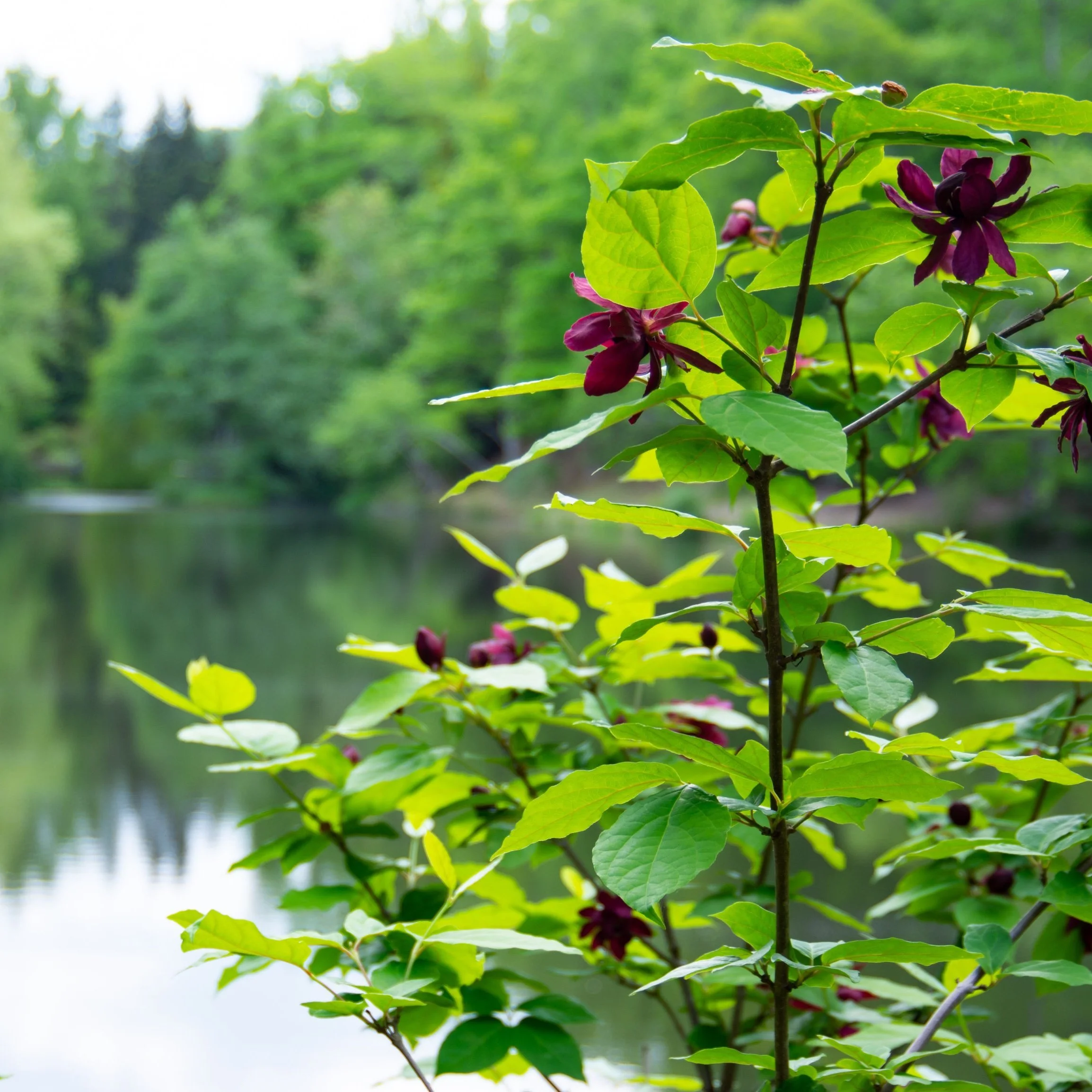 Image 2 of 3
 Image 3 of 3
Calycanthus floridus
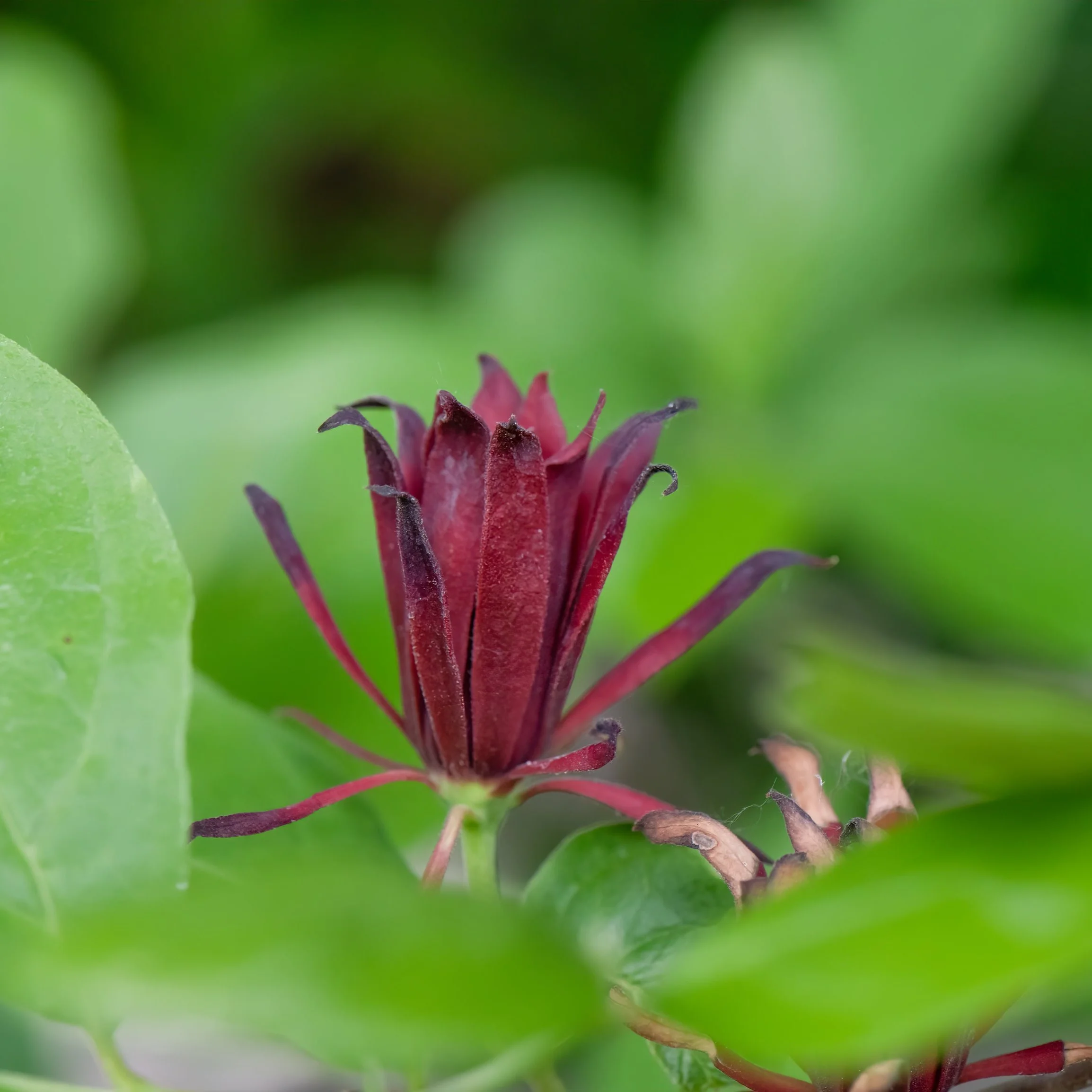
The Sweetshrub Bush, also known as Carolina Allspice, is a fragrant, multi-stemmed native shrub prized for its unique maroon-red blooms, glossy green foliage, and spicy-sweet aroma. A staple of Southern woodland gardens, Sweetshrub offers multi-season interest with low-maintenance habits and high ecological value.
Ideal for foundation plantings, woodland borders, shaded beds, and native gardens, this adaptable shrub thrives in a variety of soils and light conditions while supporting local pollinators and beneficial wildlife.
| Attribute | Details |
|---|---|
| 🌿 Botanical Name | Calycanthus floridus |
| 🏷️ Common Names | Sweetshrub, Carolina Allspice |
| 🌳 Mature Height | 6–9 feet |
| 🌐 Mature Width | 6–12 feet |
| 📈 Growth Rate | Moderate (12–24 inches per year) |
| ⏳ Lifespan | 30–50 years |
| 🧊 USDA Zones | 4–9 |
| ☀️ Sun Preference | Full sun to partial shade (best flowering in part sun) |
| 🧱 Soil Type | Moist, well-drained loam, clay, or sandy soils |
| ⚖️ Soil pH | Slightly acidic to neutral (5.5–7.0) |
| 💧 Water Needs | Moderate; prefers consistent moisture |
| 🌸 Flower Color | Burgundy to maroon; fragrant, spring to early summer |
| 👃 Fragrance | Spicy-sweet, often compared to bubblegum or banana |
| 🐝 Pollination | Attracts beetles, pollinators, and native insects |
| 🌿 Growth Habit | Upright, rounded, suckering shrub |
| ↔️ Spacing | 6–10 ft for mass plantings or borders |
| 🏡 Landscape Uses | Shade gardens, woodland borders, native plant beds, foundation plantings |
| 🧹 Maintenance Level | Low |
🌸 Provides nectar and habitat for pollinators and beneficial insects
🌿 Supports native wildlife and increases plant biodiversity
👃 Offers natural fragrance in ornamental and sensory gardens
🌲 Thrives in partial shade, filling understory spaces beautifully
| ✅ Pros | ⚠️ Cons |
|---|---|
| 🌺 Unique fragrant flowers add charm to shade gardens | 🌱 Can spread by suckers if left unmanaged |
| 🌿 Adaptable to sun or shade with strong native genetics | ✂️ Light pruning may be needed to maintain compact form |
| 🐝 Supports native pollinators and beetles | 💧 Needs even moisture for peak flowering |
| 🏡 Ideal for naturalized and foundation plantings | 🍁 Fall foliage is yellow but may be modest in some soils |
| 👃 Excellent for sensory gardens and deer-resistant designs | 🌸 Flower scent may vary slightly by region or soil |
🛁 Water thoroughly before and after planting; maintain steady moisture
🕳️ Dig a hole twice the width of the root mass; plant at natural soil level
🌾 Mulch 2–3 inches around base to retain moisture and suppress weeds
💦 Water weekly during the first season, especially in dry spells
✂️ Prune lightly after flowering to shape or rejuvenate older stems
🧪 Fertilize in early spring with compost or a light organic shrub blend
The Sweetshrub Bush brings scent, color, and natural elegance to the landscape with its one-of-a-kind blooms and easy-growing nature. Whether you're planting for pollinators, adding fragrance to a shaded bed, or creating a native garden, this timeless shrub delivers seasonal beauty and ecological value with grace and resilience.
Calycanthus floridus
The Sweetshrub Bush, also known as Carolina Allspice, is a fragrant, multi-stemmed native shrub prized for its unique maroon-red blooms, glossy green foliage, and spicy-sweet aroma. A staple of Southern woodland gardens, Sweetshrub offers multi-season interest with low-maintenance habits and high ecological value.
Ideal for foundation plantings, woodland borders, shaded beds, and native gardens, this adaptable shrub thrives in a variety of soils and light conditions while supporting local pollinators and beneficial wildlife.
| Attribute | Details |
|---|---|
| 🌿 Botanical Name | Calycanthus floridus |
| 🏷️ Common Names | Sweetshrub, Carolina Allspice |
| 🌳 Mature Height | 6–9 feet |
| 🌐 Mature Width | 6–12 feet |
| 📈 Growth Rate | Moderate (12–24 inches per year) |
| ⏳ Lifespan | 30–50 years |
| 🧊 USDA Zones | 4–9 |
| ☀️ Sun Preference | Full sun to partial shade (best flowering in part sun) |
| 🧱 Soil Type | Moist, well-drained loam, clay, or sandy soils |
| ⚖️ Soil pH | Slightly acidic to neutral (5.5–7.0) |
| 💧 Water Needs | Moderate; prefers consistent moisture |
| 🌸 Flower Color | Burgundy to maroon; fragrant, spring to early summer |
| 👃 Fragrance | Spicy-sweet, often compared to bubblegum or banana |
| 🐝 Pollination | Attracts beetles, pollinators, and native insects |
| 🌿 Growth Habit | Upright, rounded, suckering shrub |
| ↔️ Spacing | 6–10 ft for mass plantings or borders |
| 🏡 Landscape Uses | Shade gardens, woodland borders, native plant beds, foundation plantings |
| 🧹 Maintenance Level | Low |
🌸 Provides nectar and habitat for pollinators and beneficial insects
🌿 Supports native wildlife and increases plant biodiversity
👃 Offers natural fragrance in ornamental and sensory gardens
🌲 Thrives in partial shade, filling understory spaces beautifully
| ✅ Pros | ⚠️ Cons |
|---|---|
| 🌺 Unique fragrant flowers add charm to shade gardens | 🌱 Can spread by suckers if left unmanaged |
| 🌿 Adaptable to sun or shade with strong native genetics | ✂️ Light pruning may be needed to maintain compact form |
| 🐝 Supports native pollinators and beetles | 💧 Needs even moisture for peak flowering |
| 🏡 Ideal for naturalized and foundation plantings | 🍁 Fall foliage is yellow but may be modest in some soils |
| 👃 Excellent for sensory gardens and deer-resistant designs | 🌸 Flower scent may vary slightly by region or soil |
🛁 Water thoroughly before and after planting; maintain steady moisture
🕳️ Dig a hole twice the width of the root mass; plant at natural soil level
🌾 Mulch 2–3 inches around base to retain moisture and suppress weeds
💦 Water weekly during the first season, especially in dry spells
✂️ Prune lightly after flowering to shape or rejuvenate older stems
🧪 Fertilize in early spring with compost or a light organic shrub blend
The Sweetshrub Bush brings scent, color, and natural elegance to the landscape with its one-of-a-kind blooms and easy-growing nature. Whether you're planting for pollinators, adding fragrance to a shaded bed, or creating a native garden, this timeless shrub delivers seasonal beauty and ecological value with grace and resilience.