Sale Price:
$129.95
Original Price:
$159.95
Betula lenta
Sweet Birch Tree
The Sweet Birch Tree, also known as Black Birch or Cherry Birch, is a stately native tree cherished for its glossy dark bark, sweet wintergreen-scented twigs, and brilliant golden-yellow fall foliage. Historically tapped for birch beer and prized for its dense hardwood, this tree adds beauty, shade, and ecological value to large landscapes.
Tough, long-lived, and pollinator-friendly, Sweet Birch is an ideal shade tree for naturalized plantings, woodland edges, and eco-conscious designs.
Sweet Birch Tree Overview
| Attribute |
Details |
| 🌿 Botanical Name |
Betula lenta |
| 🏷️ Common Names |
Sweet Birch, Black Birch, Cherry Birch |
| 🌳 Mature Height |
40–70 feet |
| 🌐 Mature Width |
30–50 feet |
| 📈 Growth Rate |
Moderate (12–24" per year) |
| ⏳ Lifespan |
100+ years |
| 🧊 USDA Zones |
3–7 |
| ❄️ Chill Hours |
1,000–1,200 hours |
| ☀️ Sun Preference |
Full sun to light shade |
| 🧱 Soil Type |
Moist, well-drained loam or rocky soils |
| ⚖️ Soil pH |
Slightly acidic (5.0–6.5) |
| 💧 Water Needs |
Moderate; prefers consistent moisture |
| 🌸 Flower Color |
Yellow-brown catkins in spring (not showy) |
| 🍒 Fruit Type |
Tiny nutlets in cylindrical cone-like clusters |
| 🐝 Pollinators |
Attracts native bees and beneficial insects |
| 🌿 Growth Habit |
Upright with rounded to oval crown |
| ↔️ Spacing |
30–50 ft apart for full canopy development |
| 🏡 Landscape Uses |
Shade tree, naturalistic woodland gardens, wildlife corridors |
| 🧹 Maintenance Level |
Low once established |
Environmental Benefits
🌿 Supports dozens of native caterpillar species and pollinators
🧃 Twigs contain natural oil of wintergreen, historically medicinal
🌲 Provides shelter and food for birds and mammals
🌧️ Helps improve air quality and manage stormwater in urban soils
Pros & Cons
| ✅ Pros |
⚠️ Cons |
| 🍂 Gorgeous golden-yellow fall foliage |
🌱 Requires space to reach full height and width |
| 🐝 High wildlife and pollinator value |
💧 Young trees need consistent watering |
| 🌳 Dense, durable hardwood with historical value |
🌞 Best color and growth in full sun |
| 🍃 Fragrant twigs and bark with wintergreen scent |
🪓 Not ideal for small or urban lots |
| 🧬 Long-lived native with strong ecological role |
🐛 May attract birch borers in stressed trees |
Planting & Care Guide
🛁 Water thoroughly before and after planting to reduce shock
🕳️ Dig a deep hole twice as wide as the root ball; avoid burying the trunk flare
🌾 Mulch 2–3 inches deep to regulate soil moisture and temperature
💦 Keep soil moist but not soggy during first 2–3 growing seasons
✂️ Minimal pruning; remove only dead, damaged, or crossing branches
🧪 No heavy fertilizer needed; compost or leaf mulch works best
The Sweet Birch Tree is a majestic native species with rich historical uses, ecological value, and show-stopping autumn color. Ideal for larger landscapes, this tree brings fragrance, shade, and a sense of permanence to any naturalized design.
Betula lenta
Sweet Birch Tree
The Sweet Birch Tree, also known as Black Birch or Cherry Birch, is a stately native tree cherished for its glossy dark bark, sweet wintergreen-scented twigs, and brilliant golden-yellow fall foliage. Historically tapped for birch beer and prized for its dense hardwood, this tree adds beauty, shade, and ecological value to large landscapes.
Tough, long-lived, and pollinator-friendly, Sweet Birch is an ideal shade tree for naturalized plantings, woodland edges, and eco-conscious designs.
Sweet Birch Tree Overview
| Attribute |
Details |
| 🌿 Botanical Name |
Betula lenta |
| 🏷️ Common Names |
Sweet Birch, Black Birch, Cherry Birch |
| 🌳 Mature Height |
40–70 feet |
| 🌐 Mature Width |
30–50 feet |
| 📈 Growth Rate |
Moderate (12–24" per year) |
| ⏳ Lifespan |
100+ years |
| 🧊 USDA Zones |
3–7 |
| ❄️ Chill Hours |
1,000–1,200 hours |
| ☀️ Sun Preference |
Full sun to light shade |
| 🧱 Soil Type |
Moist, well-drained loam or rocky soils |
| ⚖️ Soil pH |
Slightly acidic (5.0–6.5) |
| 💧 Water Needs |
Moderate; prefers consistent moisture |
| 🌸 Flower Color |
Yellow-brown catkins in spring (not showy) |
| 🍒 Fruit Type |
Tiny nutlets in cylindrical cone-like clusters |
| 🐝 Pollinators |
Attracts native bees and beneficial insects |
| 🌿 Growth Habit |
Upright with rounded to oval crown |
| ↔️ Spacing |
30–50 ft apart for full canopy development |
| 🏡 Landscape Uses |
Shade tree, naturalistic woodland gardens, wildlife corridors |
| 🧹 Maintenance Level |
Low once established |
Environmental Benefits
🌿 Supports dozens of native caterpillar species and pollinators
🧃 Twigs contain natural oil of wintergreen, historically medicinal
🌲 Provides shelter and food for birds and mammals
🌧️ Helps improve air quality and manage stormwater in urban soils
Pros & Cons
| ✅ Pros |
⚠️ Cons |
| 🍂 Gorgeous golden-yellow fall foliage |
🌱 Requires space to reach full height and width |
| 🐝 High wildlife and pollinator value |
💧 Young trees need consistent watering |
| 🌳 Dense, durable hardwood with historical value |
🌞 Best color and growth in full sun |
| 🍃 Fragrant twigs and bark with wintergreen scent |
🪓 Not ideal for small or urban lots |
| 🧬 Long-lived native with strong ecological role |
🐛 May attract birch borers in stressed trees |
Planting & Care Guide
🛁 Water thoroughly before and after planting to reduce shock
🕳️ Dig a deep hole twice as wide as the root ball; avoid burying the trunk flare
🌾 Mulch 2–3 inches deep to regulate soil moisture and temperature
💦 Keep soil moist but not soggy during first 2–3 growing seasons
✂️ Minimal pruning; remove only dead, damaged, or crossing branches
🧪 No heavy fertilizer needed; compost or leaf mulch works best
The Sweet Birch Tree is a majestic native species with rich historical uses, ecological value, and show-stopping autumn color. Ideal for larger landscapes, this tree brings fragrance, shade, and a sense of permanence to any naturalized design.

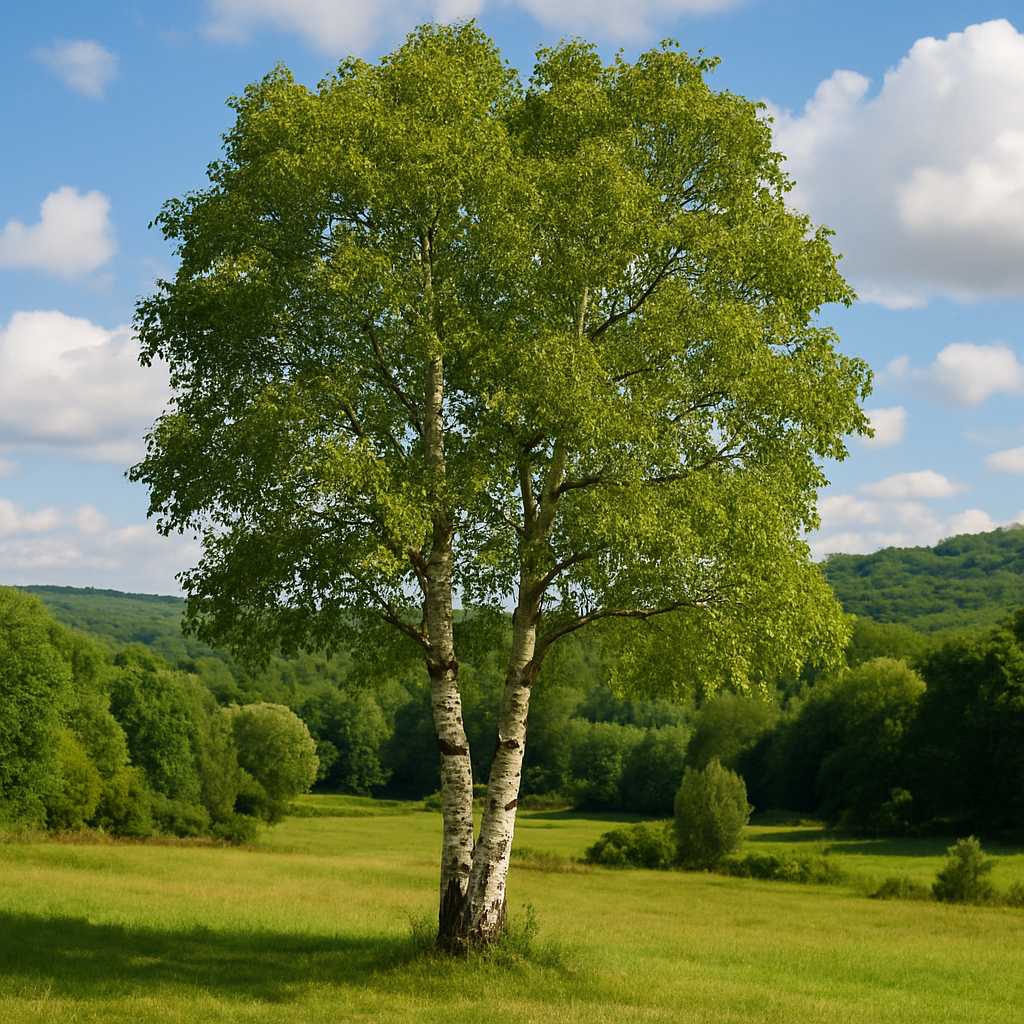 Image 1 of 6
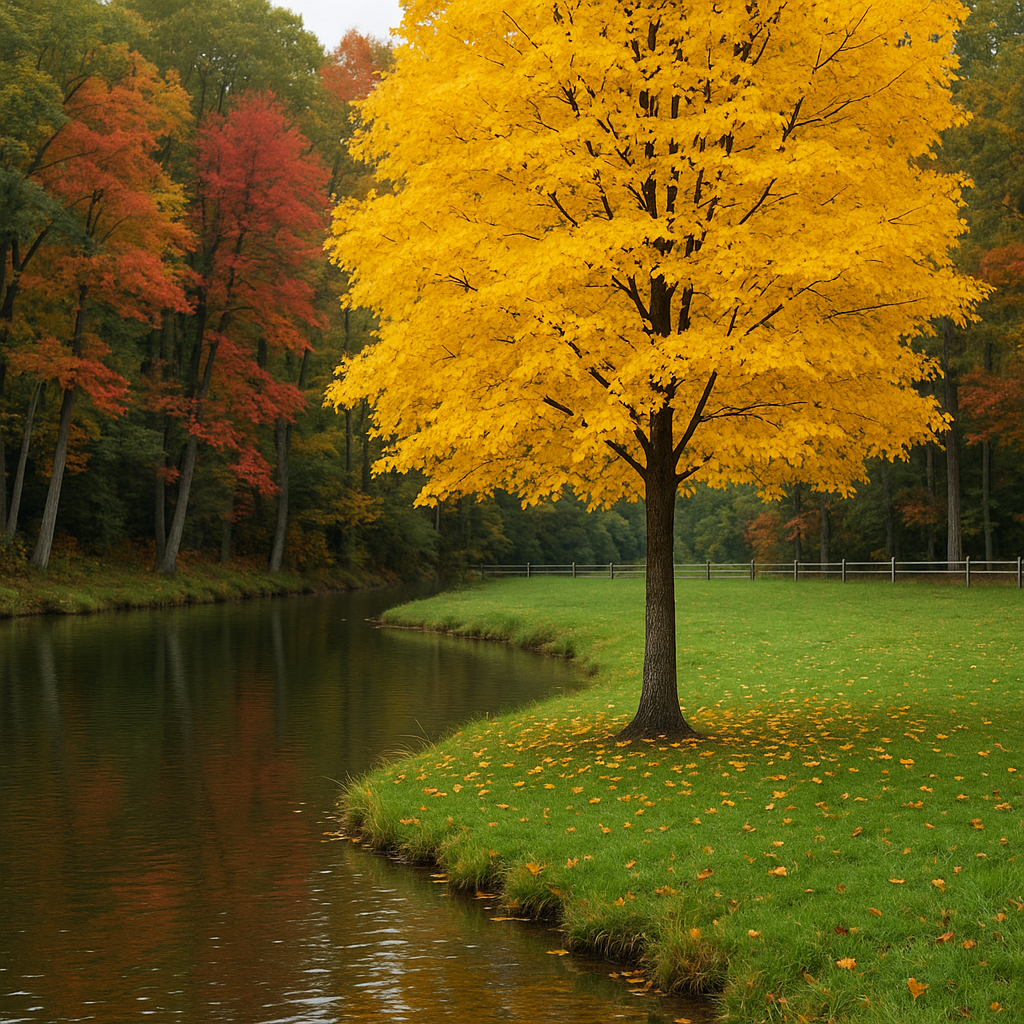 Image 2 of 6
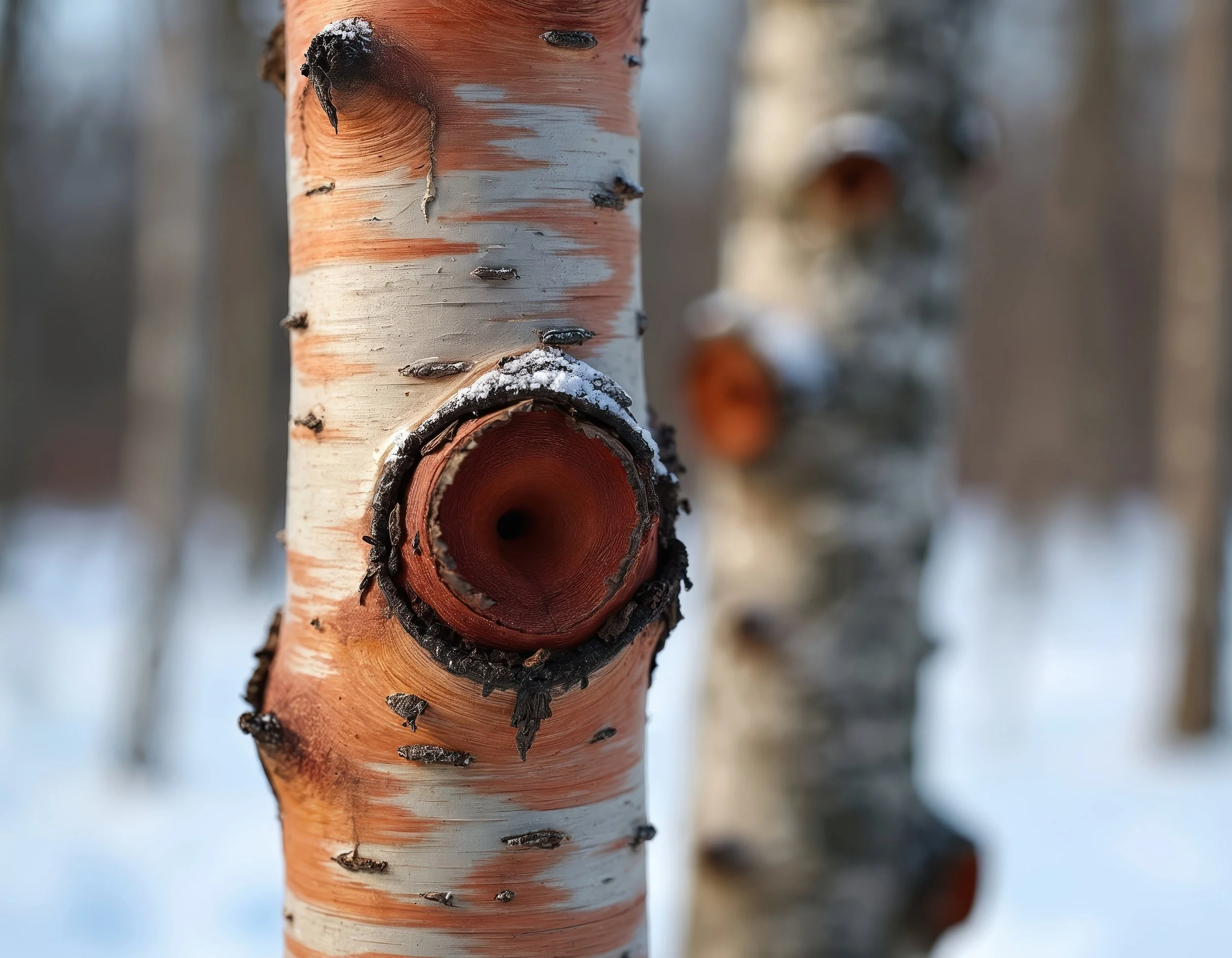 Image 3 of 6
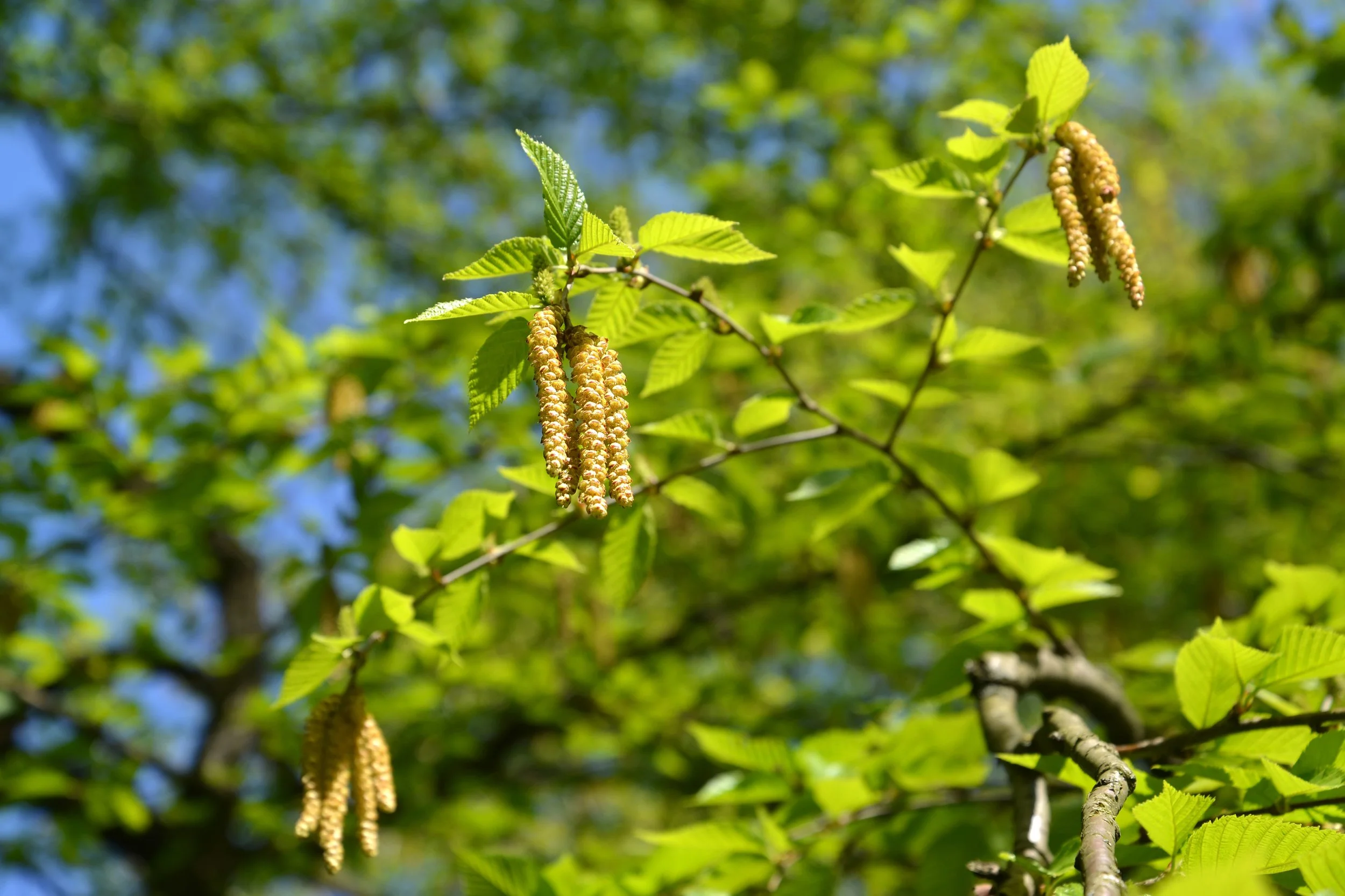 Image 4 of 6
 Image 5 of 6
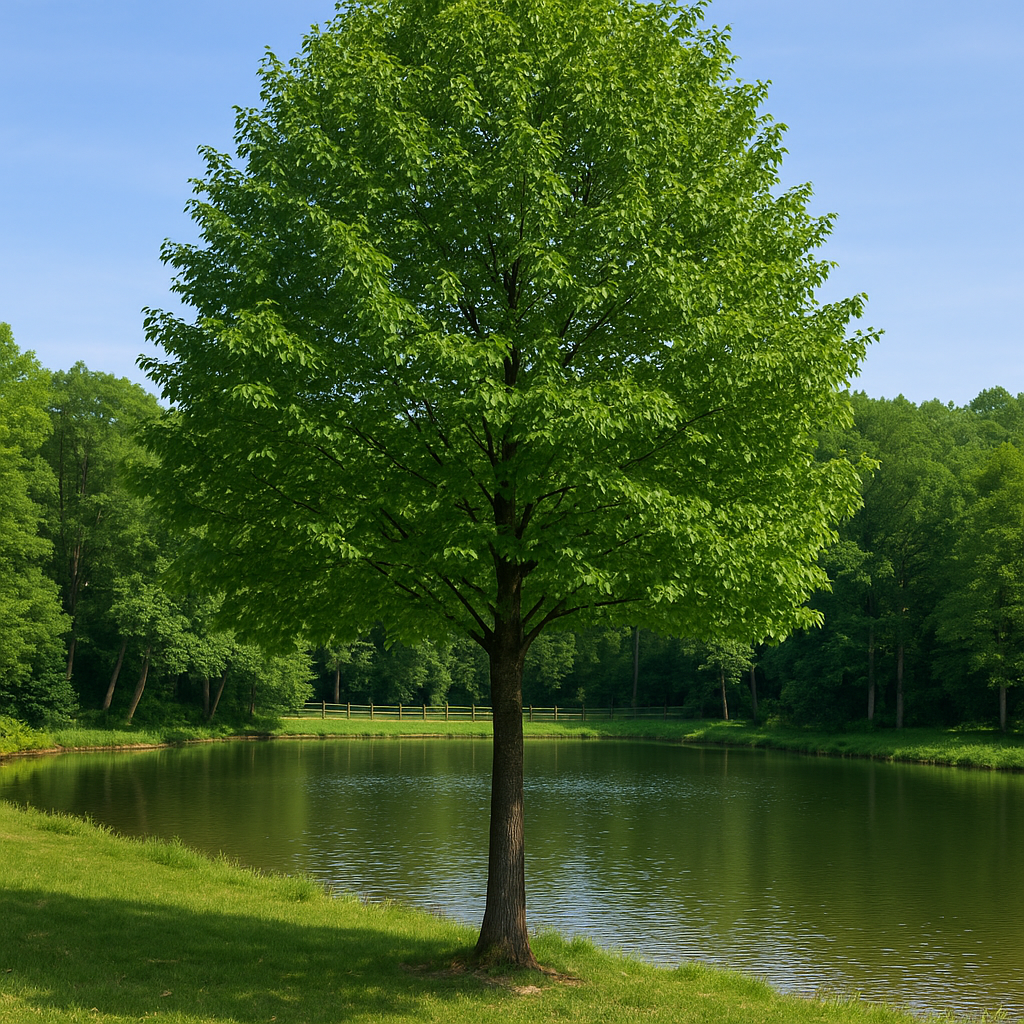 Image 6 of 6