
 Image 1 of 2
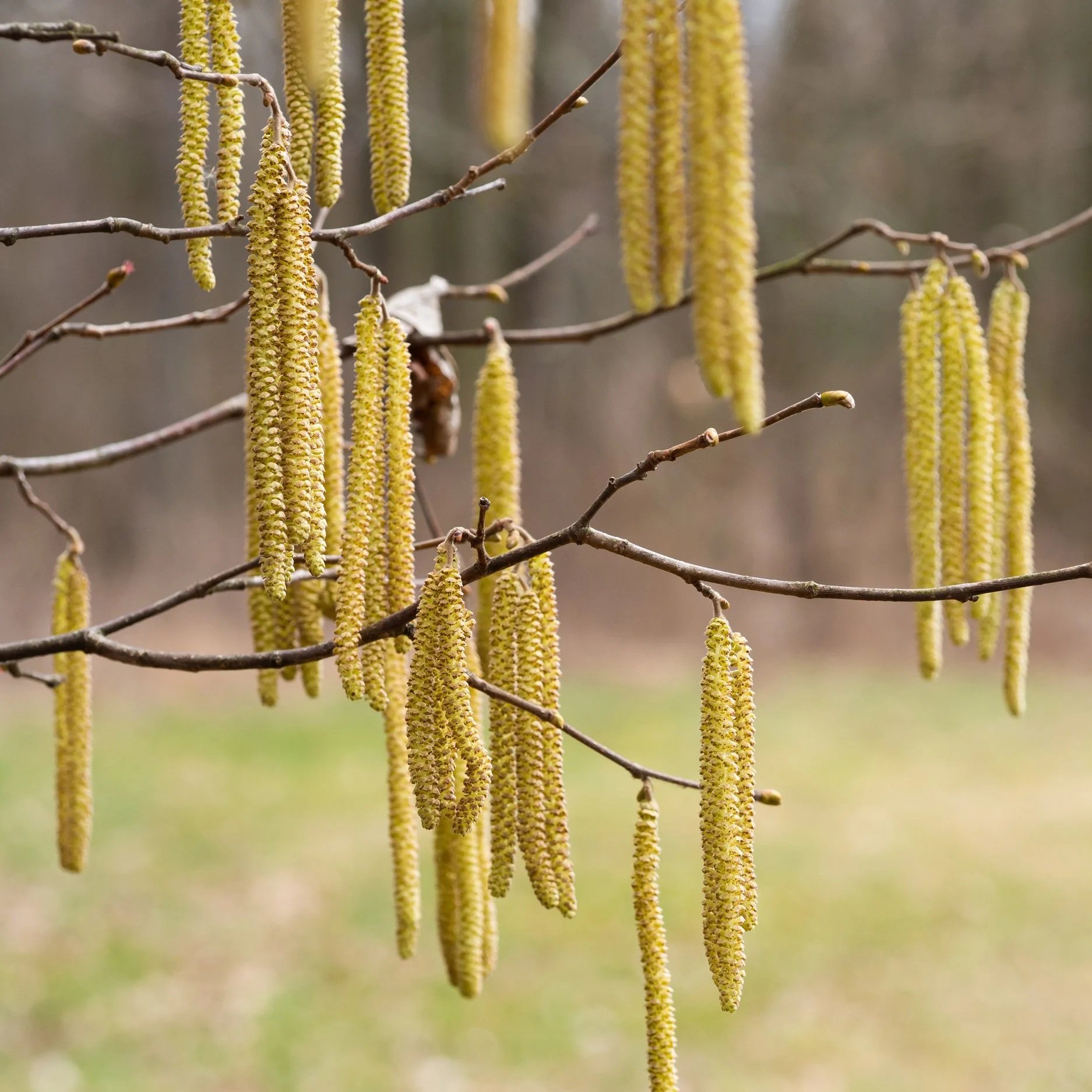 Image 2 of 2
Alnus serrulata
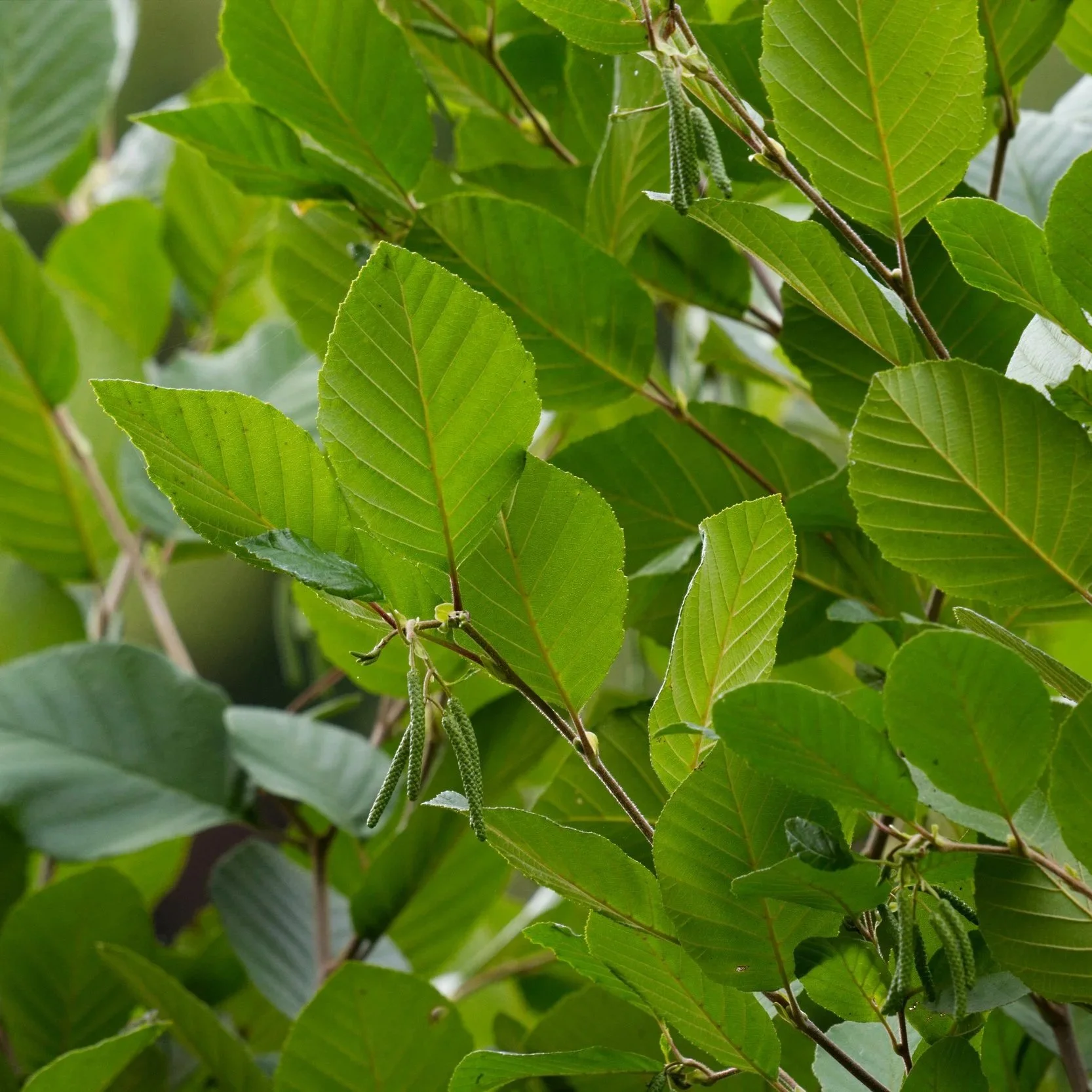
The Smooth Alder is a fast-growing native shrub or small tree known for its ability to thrive in wet soils while actively improving them. With glossy green foliage, subtle catkins, and a nitrogen-fixing root system, this plant plays a critical role in restoring degraded landscapes and supporting wildlife.
Often found along streambanks and wetlands, Smooth Alder is ideal for rain gardens, erosion control, and naturalized plantings where resilience and ecological function matter most.
AttributeDetails🌿 Botanical NameAlnus serrulata🏷️ Common NamesSmooth Alder, Hazel Alder, Tag Alder🌳 Mature Height10–20 feet🌐 Mature Width8–15 feet📈 Growth RateFast (2–3 feet per year)⏳ Lifespan40–60 years🧊 USDA Zones4–9❄️ Chill Hours400–800 hours☀️ Sun PreferenceFull sun to partial shade🧱 Soil TypeWet to moist soils; tolerates clay, loam, and sandy soils⚖️ Soil pHSlightly acidic to neutral (5.0–7.0)💧 Water NeedsHigh; thrives in saturated or poorly drained soils🌸 Flower ColorYellow-green catkins; late winter to early spring🍒 Fruit TypeSmall woody cones; persists into winter🐝 PollinatorsSupports early-season pollinators (wind + insect assisted)🌿 Growth HabitUpright, multi-stemmed, thicket-forming↔️ Spacing8–12 ft apart for naturalized groupings🏡 Landscape UsesRain gardens, streambanks, wetland restoration, erosion control🧹 Maintenance LevelLow
🌱 Fixes nitrogen in the soil, improving fertility for surrounding plants
🌧️ Exceptional for stabilizing streambanks and preventing erosion
🦉 Provides shelter and nesting habitat for birds and wildlife
🌿 Restores degraded or nutrient-poor soils in natural settings
✅ Pros⚠️ Cons🌱 Actively improves soil through nitrogen fixation💧 Requires consistent moisture; not suited for dry sites🌧️ Excellent for erosion control and wetland restoration🌳 Can spread and form dense thickets🐦 Strong wildlife value for birds and small mammals🍂 Lacks showy flowers or ornamental appeal⚡ Fast-growing and highly adaptable✂️ May require management in tighter landscapes🧬 Native species with strong ecological benefits🌾 Best suited for naturalized or large-scale plantings
🛁 Soak roots thoroughly before planting, especially in dry conditions
🕳️ Plant in a wide hole at natural soil depth; avoid burying the crown
🌾 Mulch around base to retain moisture and regulate soil temperature
💦 Ensure consistent moisture, especially during establishment
✂️ Prune lightly to shape or control spread if needed
🧪 Fertilization typically unnecessary due to nitrogen-fixing ability
The Smooth Alder Shrub is a powerhouse for ecological restoration, offering unmatched performance in wet conditions while improving soil health over time. Perfect for rain gardens, stream edges, and naturalized landscapes, it delivers function-first value with long-term environmental impact.
Alnus serrulata
The Smooth Alder is a fast-growing native shrub or small tree known for its ability to thrive in wet soils while actively improving them. With glossy green foliage, subtle catkins, and a nitrogen-fixing root system, this plant plays a critical role in restoring degraded landscapes and supporting wildlife.
Often found along streambanks and wetlands, Smooth Alder is ideal for rain gardens, erosion control, and naturalized plantings where resilience and ecological function matter most.
AttributeDetails🌿 Botanical NameAlnus serrulata🏷️ Common NamesSmooth Alder, Hazel Alder, Tag Alder🌳 Mature Height10–20 feet🌐 Mature Width8–15 feet📈 Growth RateFast (2–3 feet per year)⏳ Lifespan40–60 years🧊 USDA Zones4–9❄️ Chill Hours400–800 hours☀️ Sun PreferenceFull sun to partial shade🧱 Soil TypeWet to moist soils; tolerates clay, loam, and sandy soils⚖️ Soil pHSlightly acidic to neutral (5.0–7.0)💧 Water NeedsHigh; thrives in saturated or poorly drained soils🌸 Flower ColorYellow-green catkins; late winter to early spring🍒 Fruit TypeSmall woody cones; persists into winter🐝 PollinatorsSupports early-season pollinators (wind + insect assisted)🌿 Growth HabitUpright, multi-stemmed, thicket-forming↔️ Spacing8–12 ft apart for naturalized groupings🏡 Landscape UsesRain gardens, streambanks, wetland restoration, erosion control🧹 Maintenance LevelLow
🌱 Fixes nitrogen in the soil, improving fertility for surrounding plants
🌧️ Exceptional for stabilizing streambanks and preventing erosion
🦉 Provides shelter and nesting habitat for birds and wildlife
🌿 Restores degraded or nutrient-poor soils in natural settings
✅ Pros⚠️ Cons🌱 Actively improves soil through nitrogen fixation💧 Requires consistent moisture; not suited for dry sites🌧️ Excellent for erosion control and wetland restoration🌳 Can spread and form dense thickets🐦 Strong wildlife value for birds and small mammals🍂 Lacks showy flowers or ornamental appeal⚡ Fast-growing and highly adaptable✂️ May require management in tighter landscapes🧬 Native species with strong ecological benefits🌾 Best suited for naturalized or large-scale plantings
🛁 Soak roots thoroughly before planting, especially in dry conditions
🕳️ Plant in a wide hole at natural soil depth; avoid burying the crown
🌾 Mulch around base to retain moisture and regulate soil temperature
💦 Ensure consistent moisture, especially during establishment
✂️ Prune lightly to shape or control spread if needed
🧪 Fertilization typically unnecessary due to nitrogen-fixing ability
The Smooth Alder Shrub is a powerhouse for ecological restoration, offering unmatched performance in wet conditions while improving soil health over time. Perfect for rain gardens, stream edges, and naturalized landscapes, it delivers function-first value with long-term environmental impact.