
 Image 1 of 3
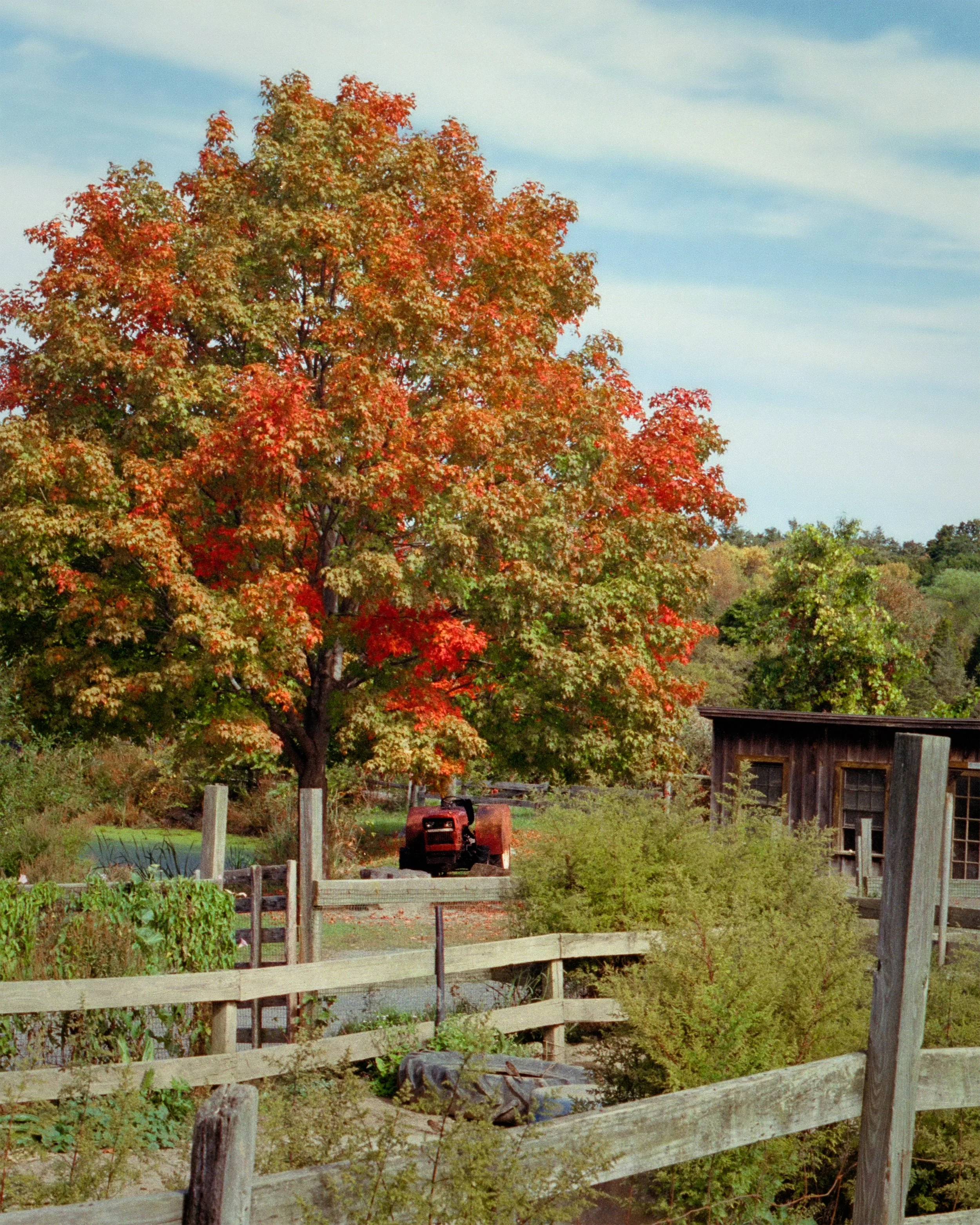 Image 2 of 3
 Image 3 of 3
Quercus imbricaria
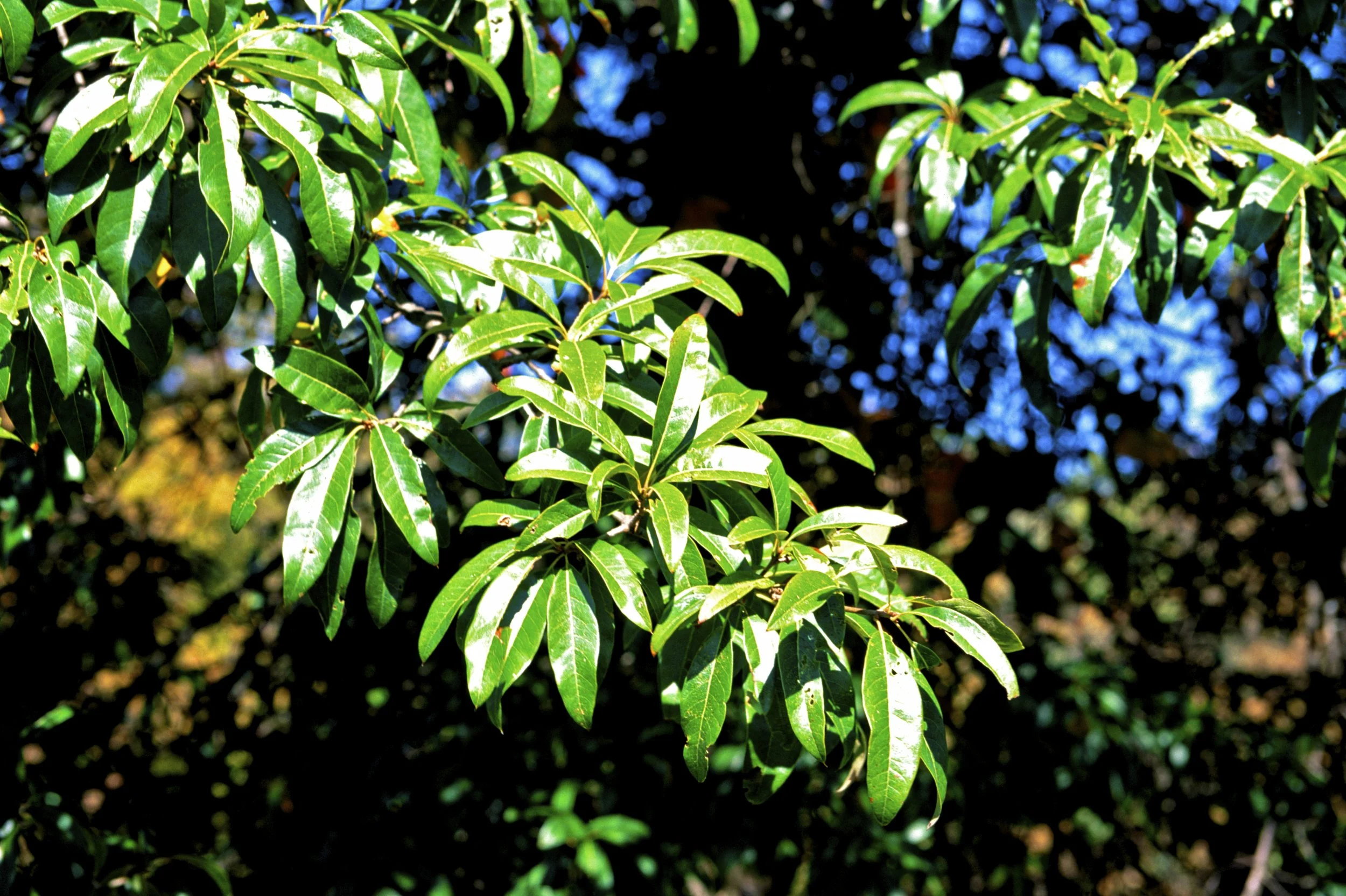
The Shingle Oak Tree is a durable, native oak species valued for its unique, unlobed leaves, rounded canopy, and strong adaptability to urban and rural landscapes alike. This versatile oak offers the shade of a red oak with the foliage texture of a magnolia, making it a beautiful and underused option for streetscapes, parks, and large home landscapes.
Long-lived and ecologically valuable, the Shingle Oak supports wildlife, erosion control, and reforestation efforts, while offering graceful form and seasonal interest.
| Attribute | Details |
|---|---|
| 🌿 Botanical Name | Quercus imbricaria |
| 🏷️ Common Names | Shingle Oak |
| 🌳 Mature Height | 50–60 feet |
| 🌐 Mature Width | 40–60 feet |
| 📈 Growth Rate | Moderate (1–2 feet per year) |
| ⏳ Lifespan | 100–150+ years |
| 🧊 USDA Zones | 4–8 |
| ☀️ Sun Preference | Full sun (essential for strong growth and acorn production) |
| 🧱 Soil Type | Tolerates loam, clay, or sandy soils; prefers moist, well-drained |
| ⚖️ Soil pH | Slightly acidic to neutral (5.5–7.0) |
| 💧 Water Needs | Moderate; drought-tolerant once established |
| 🍃 Foliage Color | Glossy green in summer; yellow-brown to russet in fall |
| 🌰 Fruit Type | Small brown acorns; mature in second year |
| 🐝 Pollination | Wind-pollinated; supports pollinators and wildlife |
| 🌿 Growth Habit | Rounded, full canopy with strong central leader |
| ↔️ Spacing | 40–60 ft for canopy spread and mature growth |
| 🏡 Landscape Uses | Shade tree, street tree, park planting, wildlife restoration |
| 🧹 Maintenance Level | Low |
🌰 Produces acorns that support birds, mammals, and pollinators
🌿 Offers shade and wind buffering for open landscapes and communities
🌎 Ideal for native reforestation, erosion control, and biodiversity
🍃 Provides long-lasting canopy coverage and carbon storage
| ✅ Pros | ⚠️ Cons |
|---|---|
| 🌳 Unique, unlobed leaves offer standout foliage texture | 🌱 Slow to moderate growth requires patience for shade or height |
| 🐿️ High wildlife value with reliable acorn production | 🍁 Leaf and acorn drop may require light cleanup in maintained spaces |
| 🌿 Adaptable to poor and compact soils | ✂️ May need structural pruning in early years to encourage form |
| 🏞️ Excellent for large-scale landscapes and restoration | 🪓 Large mature size unsuitable for tight residential lots |
| 🧬 Long-lived and strong native species | ❄️ May leaf out later in spring than other trees |
🛁 Water deeply before and after planting; keep soil evenly moist in first year
🕳️ Dig a hole twice as wide as the root zone; plant at original soil level
🌾 Mulch 2–4 inches deep to retain moisture and prevent weed competition
💦 Water weekly during dry periods, especially in early establishment
✂️ Prune in winter to develop strong structure and remove crossing limbs
🧪 Fertilize lightly in spring only if growth appears stunted; thrives in natural soils
The Shingle Oak Tree is a resilient, attractive native oak offering broad shade, strong structure, and ecological support across a wide range of landscapes. With its unique foliage, dependable growth, and habitat value, it’s an ideal choice for shade, beauty, and biodiversity that lasts for generations.
Quercus imbricaria
The Shingle Oak Tree is a durable, native oak species valued for its unique, unlobed leaves, rounded canopy, and strong adaptability to urban and rural landscapes alike. This versatile oak offers the shade of a red oak with the foliage texture of a magnolia, making it a beautiful and underused option for streetscapes, parks, and large home landscapes.
Long-lived and ecologically valuable, the Shingle Oak supports wildlife, erosion control, and reforestation efforts, while offering graceful form and seasonal interest.
| Attribute | Details |
|---|---|
| 🌿 Botanical Name | Quercus imbricaria |
| 🏷️ Common Names | Shingle Oak |
| 🌳 Mature Height | 50–60 feet |
| 🌐 Mature Width | 40–60 feet |
| 📈 Growth Rate | Moderate (1–2 feet per year) |
| ⏳ Lifespan | 100–150+ years |
| 🧊 USDA Zones | 4–8 |
| ☀️ Sun Preference | Full sun (essential for strong growth and acorn production) |
| 🧱 Soil Type | Tolerates loam, clay, or sandy soils; prefers moist, well-drained |
| ⚖️ Soil pH | Slightly acidic to neutral (5.5–7.0) |
| 💧 Water Needs | Moderate; drought-tolerant once established |
| 🍃 Foliage Color | Glossy green in summer; yellow-brown to russet in fall |
| 🌰 Fruit Type | Small brown acorns; mature in second year |
| 🐝 Pollination | Wind-pollinated; supports pollinators and wildlife |
| 🌿 Growth Habit | Rounded, full canopy with strong central leader |
| ↔️ Spacing | 40–60 ft for canopy spread and mature growth |
| 🏡 Landscape Uses | Shade tree, street tree, park planting, wildlife restoration |
| 🧹 Maintenance Level | Low |
🌰 Produces acorns that support birds, mammals, and pollinators
🌿 Offers shade and wind buffering for open landscapes and communities
🌎 Ideal for native reforestation, erosion control, and biodiversity
🍃 Provides long-lasting canopy coverage and carbon storage
| ✅ Pros | ⚠️ Cons |
|---|---|
| 🌳 Unique, unlobed leaves offer standout foliage texture | 🌱 Slow to moderate growth requires patience for shade or height |
| 🐿️ High wildlife value with reliable acorn production | 🍁 Leaf and acorn drop may require light cleanup in maintained spaces |
| 🌿 Adaptable to poor and compact soils | ✂️ May need structural pruning in early years to encourage form |
| 🏞️ Excellent for large-scale landscapes and restoration | 🪓 Large mature size unsuitable for tight residential lots |
| 🧬 Long-lived and strong native species | ❄️ May leaf out later in spring than other trees |
🛁 Water deeply before and after planting; keep soil evenly moist in first year
🕳️ Dig a hole twice as wide as the root zone; plant at original soil level
🌾 Mulch 2–4 inches deep to retain moisture and prevent weed competition
💦 Water weekly during dry periods, especially in early establishment
✂️ Prune in winter to develop strong structure and remove crossing limbs
🧪 Fertilize lightly in spring only if growth appears stunted; thrives in natural soils
The Shingle Oak Tree is a resilient, attractive native oak offering broad shade, strong structure, and ecological support across a wide range of landscapes. With its unique foliage, dependable growth, and habitat value, it’s an ideal choice for shade, beauty, and biodiversity that lasts for generations.