
 Image 1 of 4
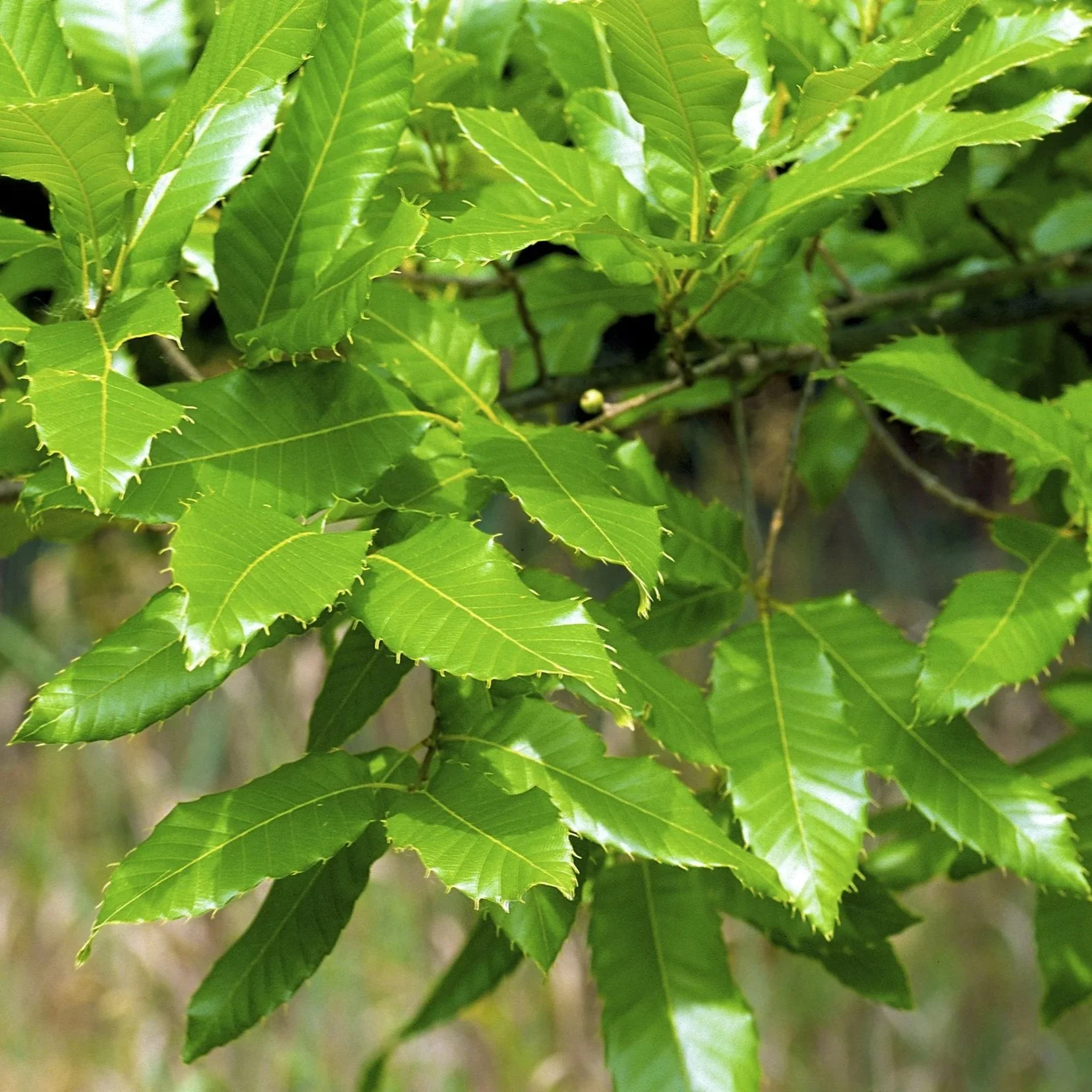 Image 2 of 4
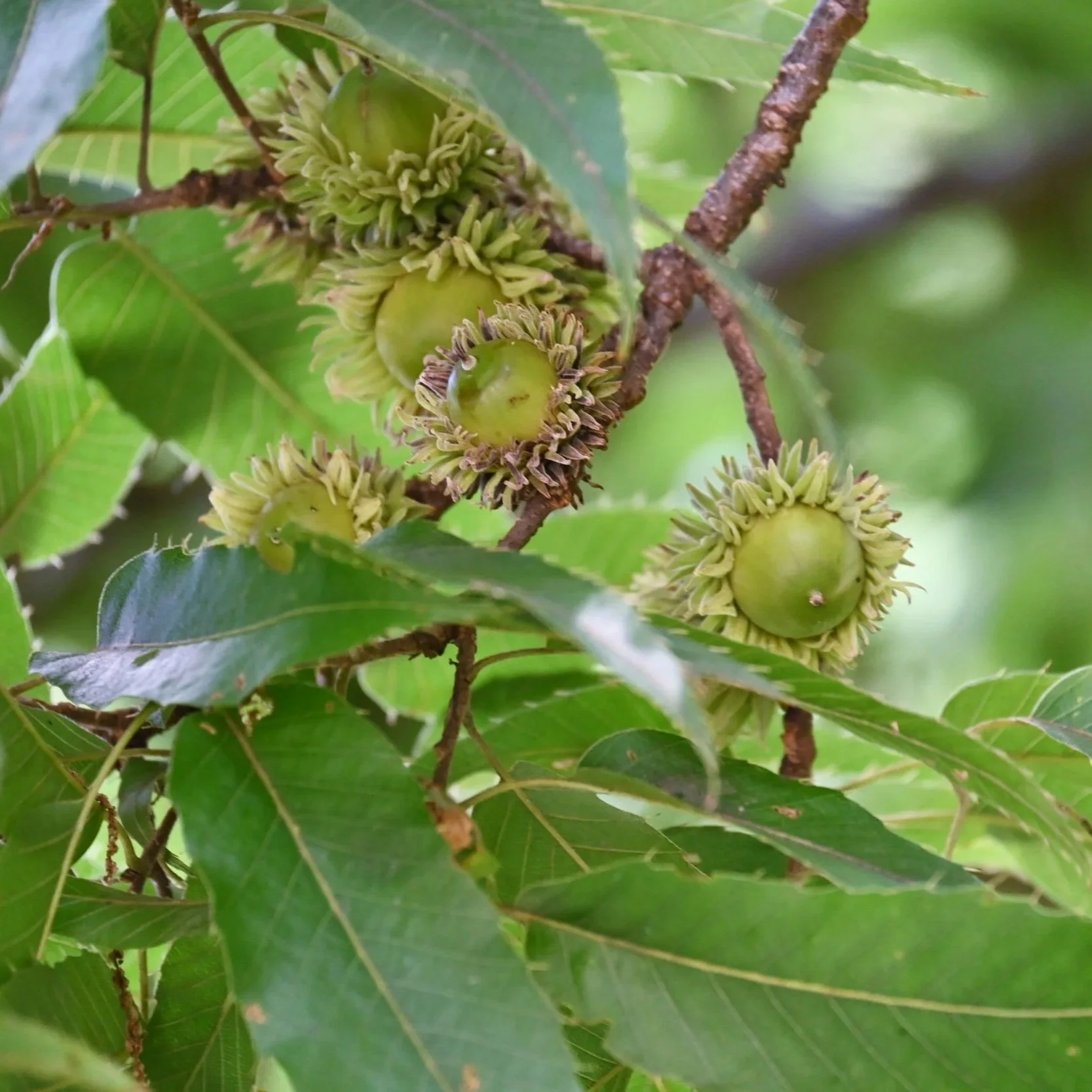 Image 3 of 4
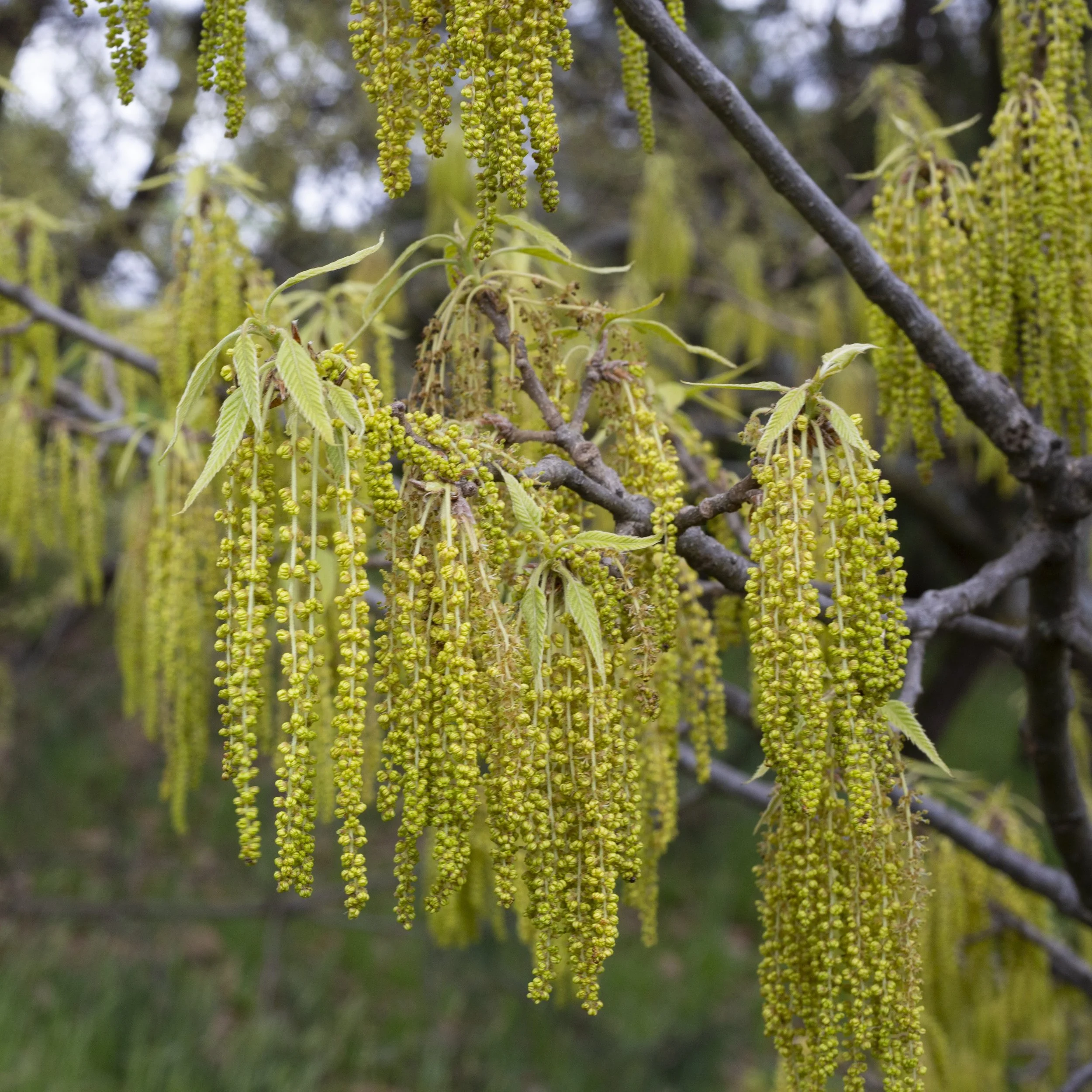 Image 4 of 4
Quercus Acutissima
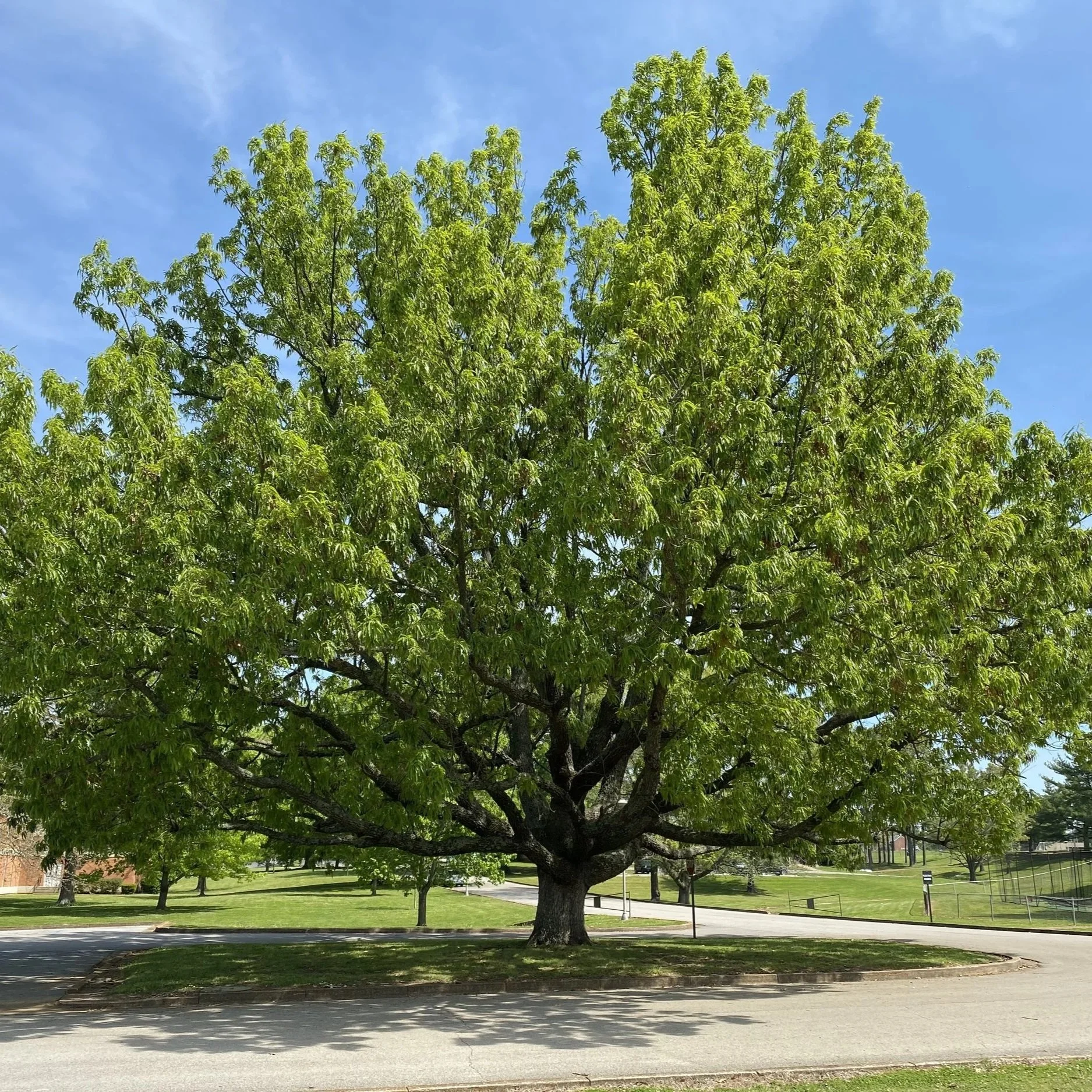
The Sawtooth Oak is a fast-growing, broad-canopied oak tree renowned for its jagged, glossy leaves, golden fall color, and abundant acorn production. Originally native to Asia but widely naturalized across the U.S., this oak is a favorite for wildlife plantings thanks to its early-maturing acorns and lush foliage.
Perfect for shade, habitat creation, or reforestation efforts, the Sawtooth Oak grows quickly and delivers lasting beauty and value.
| Attribute | Details |
|---|---|
| 🌿 Botanical Name | Quercus acutissima |
| 🏷️ Common Names | Sawtooth Oak |
| 🌳 Mature Height | 40–60 feet |
| 🌐 Mature Width | 40–60 feet |
| 📈 Growth Rate | Fast (24–36" per year) |
| ⏳ Lifespan | 50–100+ years |
| 🧊 USDA Zones | 5–9 |
| ❄️ Chill Hours | 200–400 hours |
| ☀️ Sun Preference | Full sun (minimum 6 hours daily) |
| 🧱 Soil Type | Tolerates most soils; prefers well-drained loam |
| ⚖️ Soil pH | Acidic to neutral (5.0–7.0) |
| 💧 Water Needs | Moderate; drought-tolerant once established |
| 🌸 Flower Color | Inconspicuous yellow catkins in spring |
| 🍒 Fruit Type | Long, bristly acorns; begin dropping in 5–10 years |
| 🐝 Pollinators | Wind-pollinated; attracts some insects |
| 🌿 Growth Habit | Broad, rounded canopy with dense branching |
| ↔️ Spacing | 40–60 ft apart for full canopy development |
| 🏡 Landscape Uses | Shade tree, wildlife food plot, windbreak, reforestation |
| 🧹 Maintenance Level | Low once established |
🌳 Produces early-dropping acorns that feed deer, turkey, and squirrels
🌿 Rapid growth offers quick shade and carbon absorption
🦌 Ideal for wildlife plots and habitat restoration
🌧️ Helps prevent erosion and improve soil structure over time
| ✅ Pros | ⚠️ Cons |
|---|---|
| 🦌 Excellent wildlife support with heavy acorn yield | 🍃 Non-native species; not ideal for native-only projects |
| 📈 Fast growth compared to most oaks | 🐛 Can attract caterpillars and occasional leaf pests |
| 🌳 Provides large, dense shade canopy | 🏡 Size may be too large for small urban yards |
| 🍂 Beautiful golden-yellow fall foliage | 🌰 Drops large quantities of acorns once mature |
| 💧 Adapts to many soil types and climates | ✂️ Requires pruning when young to form strong structure |
🛁 Water deeply before and after planting to help establish roots
🕳️ Dig a wide hole; plant so root collar is level with soil
🌾 Mulch in a wide ring to reduce competition and retain moisture
💦 Water regularly for the first 1–2 years; taper off as it matures
✂️ Prune in winter during dormancy to train central leader and spacing
🧪 Fertilize sparingly in early spring if needed; compost is ideal
The Sawtooth Oak Tree is a powerhouse of growth, shade, and wildlife value. Whether you're creating a future canopy, planning a food plot, or just want a fast-growing legacy tree, the Sawtooth Oak delivers with vigor, beauty, and purpose.
Quercus Acutissima
The Sawtooth Oak is a fast-growing, broad-canopied oak tree renowned for its jagged, glossy leaves, golden fall color, and abundant acorn production. Originally native to Asia but widely naturalized across the U.S., this oak is a favorite for wildlife plantings thanks to its early-maturing acorns and lush foliage.
Perfect for shade, habitat creation, or reforestation efforts, the Sawtooth Oak grows quickly and delivers lasting beauty and value.
| Attribute | Details |
|---|---|
| 🌿 Botanical Name | Quercus acutissima |
| 🏷️ Common Names | Sawtooth Oak |
| 🌳 Mature Height | 40–60 feet |
| 🌐 Mature Width | 40–60 feet |
| 📈 Growth Rate | Fast (24–36" per year) |
| ⏳ Lifespan | 50–100+ years |
| 🧊 USDA Zones | 5–9 |
| ❄️ Chill Hours | 200–400 hours |
| ☀️ Sun Preference | Full sun (minimum 6 hours daily) |
| 🧱 Soil Type | Tolerates most soils; prefers well-drained loam |
| ⚖️ Soil pH | Acidic to neutral (5.0–7.0) |
| 💧 Water Needs | Moderate; drought-tolerant once established |
| 🌸 Flower Color | Inconspicuous yellow catkins in spring |
| 🍒 Fruit Type | Long, bristly acorns; begin dropping in 5–10 years |
| 🐝 Pollinators | Wind-pollinated; attracts some insects |
| 🌿 Growth Habit | Broad, rounded canopy with dense branching |
| ↔️ Spacing | 40–60 ft apart for full canopy development |
| 🏡 Landscape Uses | Shade tree, wildlife food plot, windbreak, reforestation |
| 🧹 Maintenance Level | Low once established |
🌳 Produces early-dropping acorns that feed deer, turkey, and squirrels
🌿 Rapid growth offers quick shade and carbon absorption
🦌 Ideal for wildlife plots and habitat restoration
🌧️ Helps prevent erosion and improve soil structure over time
| ✅ Pros | ⚠️ Cons |
|---|---|
| 🦌 Excellent wildlife support with heavy acorn yield | 🍃 Non-native species; not ideal for native-only projects |
| 📈 Fast growth compared to most oaks | 🐛 Can attract caterpillars and occasional leaf pests |
| 🌳 Provides large, dense shade canopy | 🏡 Size may be too large for small urban yards |
| 🍂 Beautiful golden-yellow fall foliage | 🌰 Drops large quantities of acorns once mature |
| 💧 Adapts to many soil types and climates | ✂️ Requires pruning when young to form strong structure |
🛁 Water deeply before and after planting to help establish roots
🕳️ Dig a wide hole; plant so root collar is level with soil
🌾 Mulch in a wide ring to reduce competition and retain moisture
💦 Water regularly for the first 1–2 years; taper off as it matures
✂️ Prune in winter during dormancy to train central leader and spacing
🧪 Fertilize sparingly in early spring if needed; compost is ideal
The Sawtooth Oak Tree is a powerhouse of growth, shade, and wildlife value. Whether you're creating a future canopy, planning a food plot, or just want a fast-growing legacy tree, the Sawtooth Oak delivers with vigor, beauty, and purpose.