
 Image 1 of 3
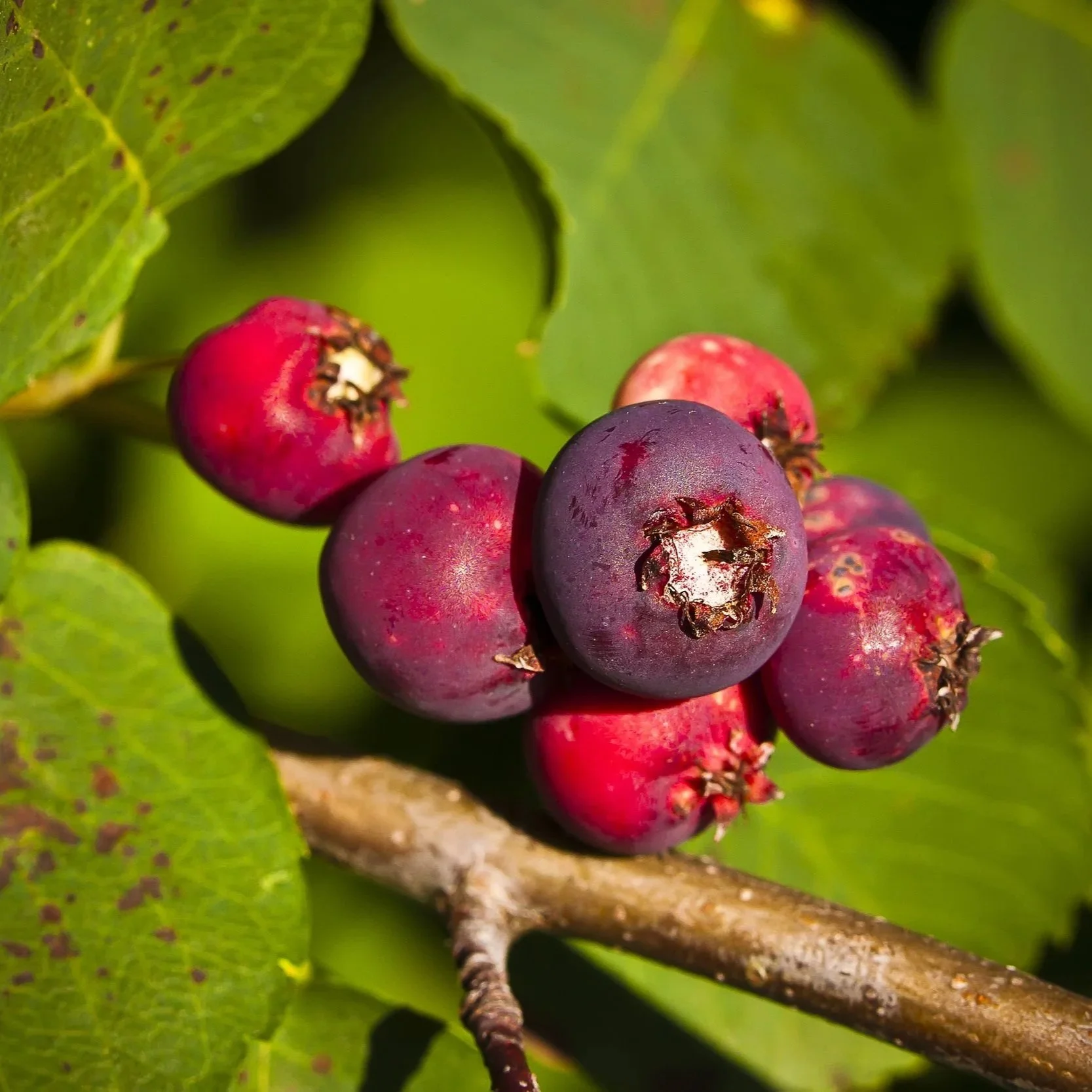 Image 2 of 3
 Image 3 of 3
Amelanchier alnifolia
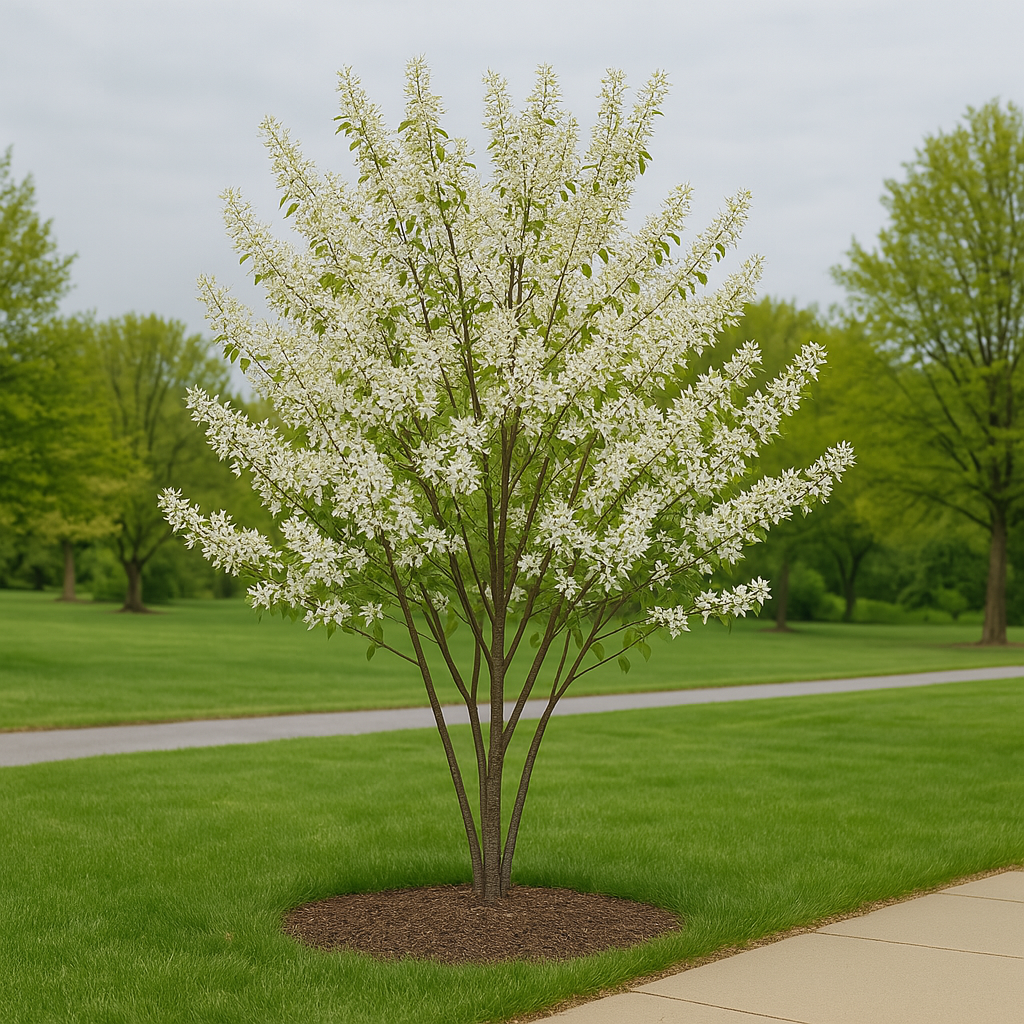
The Saskatoon Serviceberry is a cold-hardy, multi-season native shrub or tree prized for its early white flowers, blueberry-like edible berries, and vibrant fall foliage. A favorite in both ornamental and edible gardens, it offers exceptional beauty and productivity with minimal maintenance.
Ideal for hedgerows, pollinator gardens, edible landscapes, and native restoration projects, this adaptable species thrives in a variety of soils and climates while supporting pollinators, birds, and beneficial insects.
| Attribute | Details |
|---|---|
| 🌿 Botanical Name | Amelanchier alnifolia |
| 🏷️ Common Names | Saskatoon Serviceberry, Western Serviceberry, Juneberry |
| 🌳 Mature Height | 6–10 feet |
| 🌐 Mature Width | 4–8 feet |
| 📈 Growth Rate | Moderate (1–2 feet per year) |
| ⏳ Lifespan | 30–50+ years |
| 🧊 USDA Zones | 2–7 |
| ☀️ Sun Preference | Full sun to partial shade (best fruiting in full sun) |
| 🧱 Soil Type | Well-drained loam, clay, or sandy soils |
| ⚖️ Soil pH | Slightly acidic to neutral (5.5–7.0) |
| 💧 Water Needs | Low to moderate; drought-tolerant once established |
| 🌸 Flower Color | Clusters of white blooms in early spring |
| 🫐 Fruit Type | Sweet, purple-blue edible berries in early to midsummer |
| 🐝 Pollination | Self-pollinating; enhanced yield with multiple plants |
| 🌿 Growth Habit | Upright, suckering, clump-forming shrub |
| ↔️ Spacing | 4–6 ft for hedges; 6–8 ft for individual plantings |
| 🏡 Landscape Uses | Edible gardens, wildlife borders, native hedgerows, slopes |
| 🧹 Maintenance Level | Low |
🌸 Provides early-season nectar for pollinators and beneficial insects
🫐 Produces nutritious berries for both humans and wildlife
🌿 Supports native birds, bees, and biodiversity in every season
🌱 Excellent for soil stabilization and drought-prone landscapes
| ✅ Pros | ⚠️ Cons |
|---|---|
| 🫐 Delicious, antioxidant-rich berries loved by people and birds | 🐦 Fruit may be heavily browsed by birds if not netted |
| 🌿 Adaptable to a wide range of soils and climates | ❄️ Late frosts can occasionally reduce flower and fruit yield |
| 🌸 Beautiful spring flowers followed by fall foliage | ✂️ Light pruning may be needed to control suckering |
| 🧬 Cold-hardy and drought-tolerant once established | 🌱 Slower growth in dense clay without soil improvement |
| 🏡 Great for multi-use landscapes (edible + ornamental) | 🪵 Fruit drop may require cleanup in high-traffic areas |
🛁 Water thoroughly at planting and during dry periods in the first year
🕳️ Dig a hole twice the width of the root mass; plant at original soil depth
🌾 Mulch 2–3 inches deep around base to preserve soil moisture and block weeds
💦 Water weekly during hot spells or dry summers until established
✂️ Prune in late winter to remove old stems and encourage productive growth
🧪 Fertilize in early spring with compost or a balanced, slow-release organic formula
The Saskatoon Serviceberry Bush brings four-season beauty, ecological value, and sweet edible fruit to any landscape. Whether you're building a native wildlife corridor, planting a homestead berry patch, or designing an edible ornamental garden, this resilient shrub is a versatile, productive, and beautiful investment.
Amelanchier alnifolia
The Saskatoon Serviceberry is a cold-hardy, multi-season native shrub or tree prized for its early white flowers, blueberry-like edible berries, and vibrant fall foliage. A favorite in both ornamental and edible gardens, it offers exceptional beauty and productivity with minimal maintenance.
Ideal for hedgerows, pollinator gardens, edible landscapes, and native restoration projects, this adaptable species thrives in a variety of soils and climates while supporting pollinators, birds, and beneficial insects.
| Attribute | Details |
|---|---|
| 🌿 Botanical Name | Amelanchier alnifolia |
| 🏷️ Common Names | Saskatoon Serviceberry, Western Serviceberry, Juneberry |
| 🌳 Mature Height | 6–10 feet |
| 🌐 Mature Width | 4–8 feet |
| 📈 Growth Rate | Moderate (1–2 feet per year) |
| ⏳ Lifespan | 30–50+ years |
| 🧊 USDA Zones | 2–7 |
| ☀️ Sun Preference | Full sun to partial shade (best fruiting in full sun) |
| 🧱 Soil Type | Well-drained loam, clay, or sandy soils |
| ⚖️ Soil pH | Slightly acidic to neutral (5.5–7.0) |
| 💧 Water Needs | Low to moderate; drought-tolerant once established |
| 🌸 Flower Color | Clusters of white blooms in early spring |
| 🫐 Fruit Type | Sweet, purple-blue edible berries in early to midsummer |
| 🐝 Pollination | Self-pollinating; enhanced yield with multiple plants |
| 🌿 Growth Habit | Upright, suckering, clump-forming shrub |
| ↔️ Spacing | 4–6 ft for hedges; 6–8 ft for individual plantings |
| 🏡 Landscape Uses | Edible gardens, wildlife borders, native hedgerows, slopes |
| 🧹 Maintenance Level | Low |
🌸 Provides early-season nectar for pollinators and beneficial insects
🫐 Produces nutritious berries for both humans and wildlife
🌿 Supports native birds, bees, and biodiversity in every season
🌱 Excellent for soil stabilization and drought-prone landscapes
| ✅ Pros | ⚠️ Cons |
|---|---|
| 🫐 Delicious, antioxidant-rich berries loved by people and birds | 🐦 Fruit may be heavily browsed by birds if not netted |
| 🌿 Adaptable to a wide range of soils and climates | ❄️ Late frosts can occasionally reduce flower and fruit yield |
| 🌸 Beautiful spring flowers followed by fall foliage | ✂️ Light pruning may be needed to control suckering |
| 🧬 Cold-hardy and drought-tolerant once established | 🌱 Slower growth in dense clay without soil improvement |
| 🏡 Great for multi-use landscapes (edible + ornamental) | 🪵 Fruit drop may require cleanup in high-traffic areas |
🛁 Water thoroughly at planting and during dry periods in the first year
🕳️ Dig a hole twice the width of the root mass; plant at original soil depth
🌾 Mulch 2–3 inches deep around base to preserve soil moisture and block weeds
💦 Water weekly during hot spells or dry summers until established
✂️ Prune in late winter to remove old stems and encourage productive growth
🧪 Fertilize in early spring with compost or a balanced, slow-release organic formula
The Saskatoon Serviceberry Bush brings four-season beauty, ecological value, and sweet edible fruit to any landscape. Whether you're building a native wildlife corridor, planting a homestead berry patch, or designing an edible ornamental garden, this resilient shrub is a versatile, productive, and beautiful investment.