
 Image 1 of 2
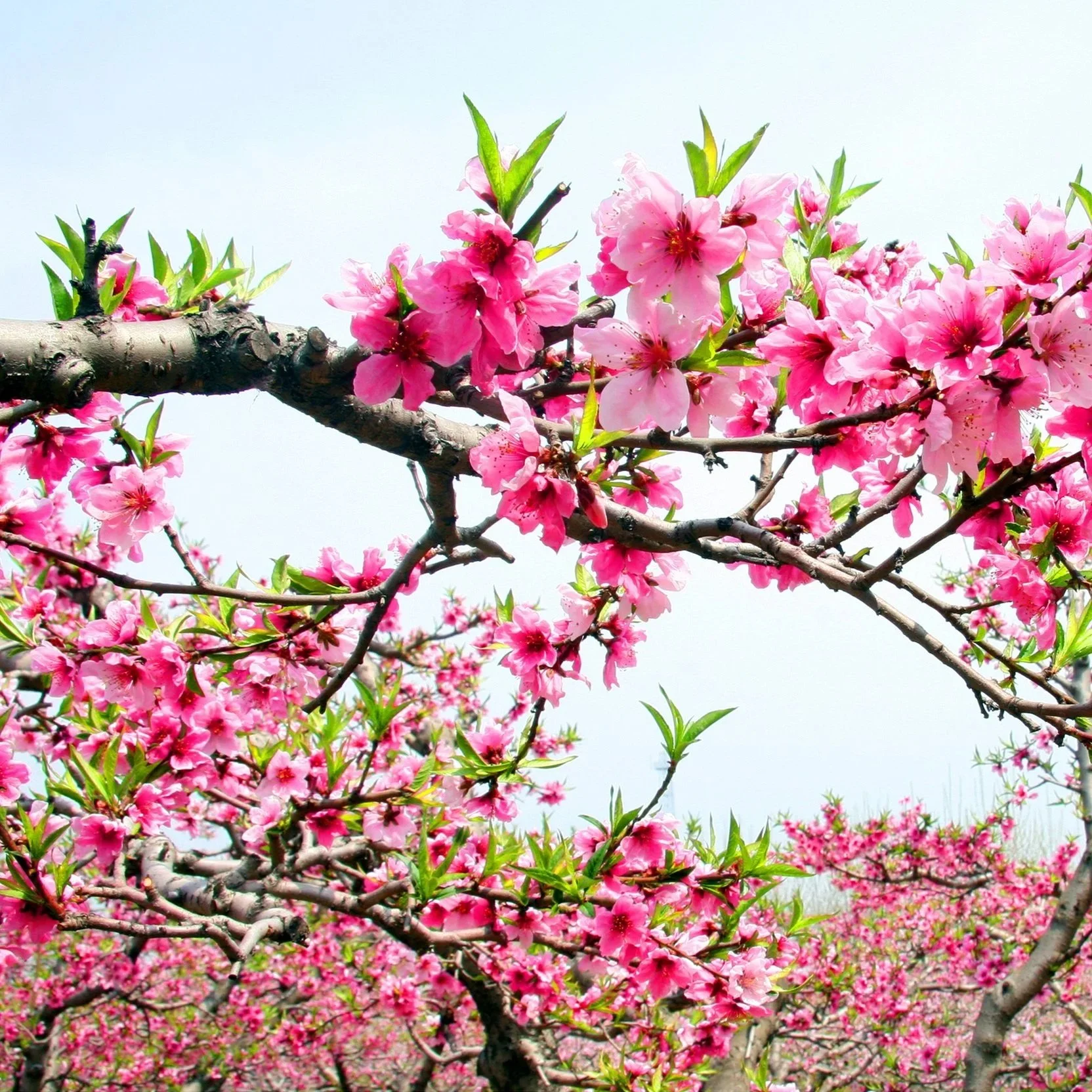 Image 2 of 2
(Prunus persica 'Sam Houston'
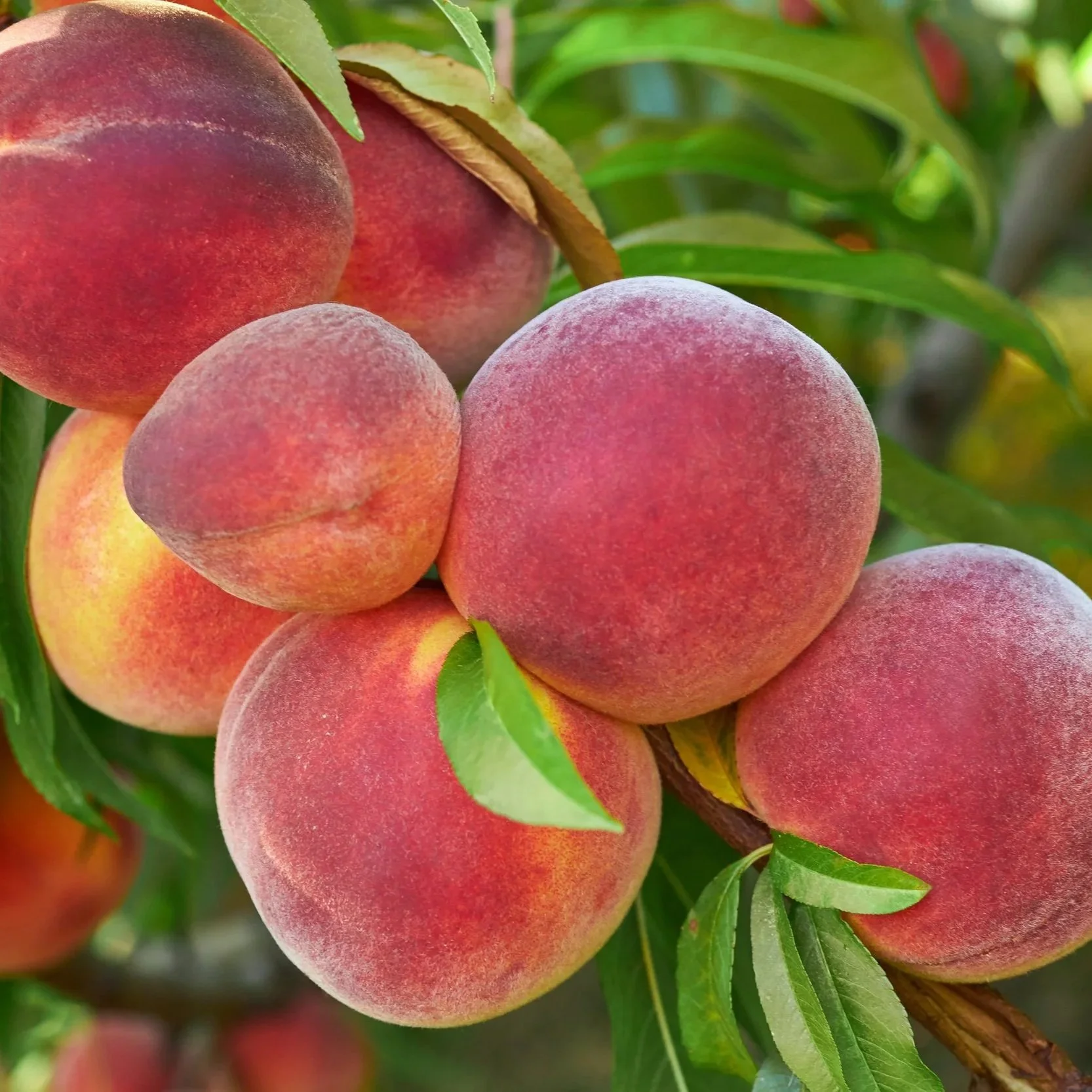
The Sam Houston Peach Tree is a self-pollinating, early-ripening variety developed specifically for warm Southern climates. Known for its cold-hardiness and sweet, juicy freestone peaches, this Texas favorite produces beautiful pink blossoms in spring followed by flavorful fruit in early summer.
Perfect for home orchards and backyard growers, the Sam Houston Peach combines reliable yields with easy maintenance and excellent eating quality.
| Attribute | Details |
|---|---|
| 🌿 Botanical Name | Prunus persica 'Sam Houston' |
| 🏷️ Common Names | Sam Houston Peach |
| 🌳 Mature Height | 12–15 feet |
| 🌐 Mature Width | 10–12 feet |
| 📈 Growth Rate | Fast (24"+ per year) |
| ⏳ Lifespan | 15–25 years |
| 🧊 USDA Zones | 6–9 |
| ❄️ Chill Hours | 500–600 hours |
| ☀️ Sun Preference | Full sun (6–8+ hrs/day) |
| 🧱 Soil Type | Well-drained sandy or loamy soils |
| ⚖️ Soil pH | Slightly acidic to neutral (6.0–7.0) |
| 💧 Water Needs | Moderate; needs deep, regular watering in summer |
| 🌸 Flower Color | Pink; early to mid-spring bloom |
| 🍒 Fruit Type | Medium to large freestone peaches; sweet and juicy |
| 🐝 Pollinators | Self-pollinating; enhanced yield with nearby peach trees |
| 🌿 Growth Habit | Upright, rounded canopy |
| ↔️ Spacing | 12–15 ft apart |
| 🏡 Landscape Uses | Home orchards, edible landscapes, backyard fruit trees |
| 🧹 Maintenance Level | Moderate (pruning and thinning required) |
🌸 Supports early pollinators with abundant spring blooms
🍑 Provides healthy, homegrown fruit with fewer food miles
🌿 Enhances biodiversity in backyard ecosystems
🌞 Offers shade and ornamental value during peak summer
| ✅ Pros | ⚠️ Cons |
|---|---|
| 🍑 Sweet, juicy freestone peaches for fresh eating or preserves | 🐛 Susceptible to peach pests and fungal issues without proper care |
| 🌿 Beautiful spring bloom and summer fruit | ✂️ Requires annual pruning and fruit thinning for best yield |
| 🌞 Heat-tolerant and ideal for Southern growers | ❄️ Not suitable for areas with very high chill hour requirements |
| 🐝 Self-pollinating, no second tree required | 🍒 Fruit ripens quickly—requires close monitoring during harvest |
| 🏡 Compact size great for smaller yards | 💧 Needs consistent summer watering to avoid fruit drop |
🛁 Soak root zone before and after planting to help establish roots
🕳️ Dig hole twice as wide, same depth as root ball; backfill and tamp lightly
🌾 Mulch 2–3 inches thick, keeping away from trunk base
💦 Water deeply once or twice per week during dry spells
✂️ Prune in winter to encourage airflow and fruiting wood
🧪 Fertilize in early spring with balanced fruit tree fertilizer
The Sam Houston Peach Tree is a proven Southern classic that rewards growers with juicy, sweet freestone peaches and stunning seasonal color. Whether you’re planting your first fruit tree or expanding your orchard, this low-chill variety delivers on taste, performance, and resilience.
(Prunus persica 'Sam Houston'
The Sam Houston Peach Tree is a self-pollinating, early-ripening variety developed specifically for warm Southern climates. Known for its cold-hardiness and sweet, juicy freestone peaches, this Texas favorite produces beautiful pink blossoms in spring followed by flavorful fruit in early summer.
Perfect for home orchards and backyard growers, the Sam Houston Peach combines reliable yields with easy maintenance and excellent eating quality.
| Attribute | Details |
|---|---|
| 🌿 Botanical Name | Prunus persica 'Sam Houston' |
| 🏷️ Common Names | Sam Houston Peach |
| 🌳 Mature Height | 12–15 feet |
| 🌐 Mature Width | 10–12 feet |
| 📈 Growth Rate | Fast (24"+ per year) |
| ⏳ Lifespan | 15–25 years |
| 🧊 USDA Zones | 6–9 |
| ❄️ Chill Hours | 500–600 hours |
| ☀️ Sun Preference | Full sun (6–8+ hrs/day) |
| 🧱 Soil Type | Well-drained sandy or loamy soils |
| ⚖️ Soil pH | Slightly acidic to neutral (6.0–7.0) |
| 💧 Water Needs | Moderate; needs deep, regular watering in summer |
| 🌸 Flower Color | Pink; early to mid-spring bloom |
| 🍒 Fruit Type | Medium to large freestone peaches; sweet and juicy |
| 🐝 Pollinators | Self-pollinating; enhanced yield with nearby peach trees |
| 🌿 Growth Habit | Upright, rounded canopy |
| ↔️ Spacing | 12–15 ft apart |
| 🏡 Landscape Uses | Home orchards, edible landscapes, backyard fruit trees |
| 🧹 Maintenance Level | Moderate (pruning and thinning required) |
🌸 Supports early pollinators with abundant spring blooms
🍑 Provides healthy, homegrown fruit with fewer food miles
🌿 Enhances biodiversity in backyard ecosystems
🌞 Offers shade and ornamental value during peak summer
| ✅ Pros | ⚠️ Cons |
|---|---|
| 🍑 Sweet, juicy freestone peaches for fresh eating or preserves | 🐛 Susceptible to peach pests and fungal issues without proper care |
| 🌿 Beautiful spring bloom and summer fruit | ✂️ Requires annual pruning and fruit thinning for best yield |
| 🌞 Heat-tolerant and ideal for Southern growers | ❄️ Not suitable for areas with very high chill hour requirements |
| 🐝 Self-pollinating, no second tree required | 🍒 Fruit ripens quickly—requires close monitoring during harvest |
| 🏡 Compact size great for smaller yards | 💧 Needs consistent summer watering to avoid fruit drop |
🛁 Soak root zone before and after planting to help establish roots
🕳️ Dig hole twice as wide, same depth as root ball; backfill and tamp lightly
🌾 Mulch 2–3 inches thick, keeping away from trunk base
💦 Water deeply once or twice per week during dry spells
✂️ Prune in winter to encourage airflow and fruiting wood
🧪 Fertilize in early spring with balanced fruit tree fertilizer
The Sam Houston Peach Tree is a proven Southern classic that rewards growers with juicy, sweet freestone peaches and stunning seasonal color. Whether you’re planting your first fruit tree or expanding your orchard, this low-chill variety delivers on taste, performance, and resilience.