
 Image 1 of 3
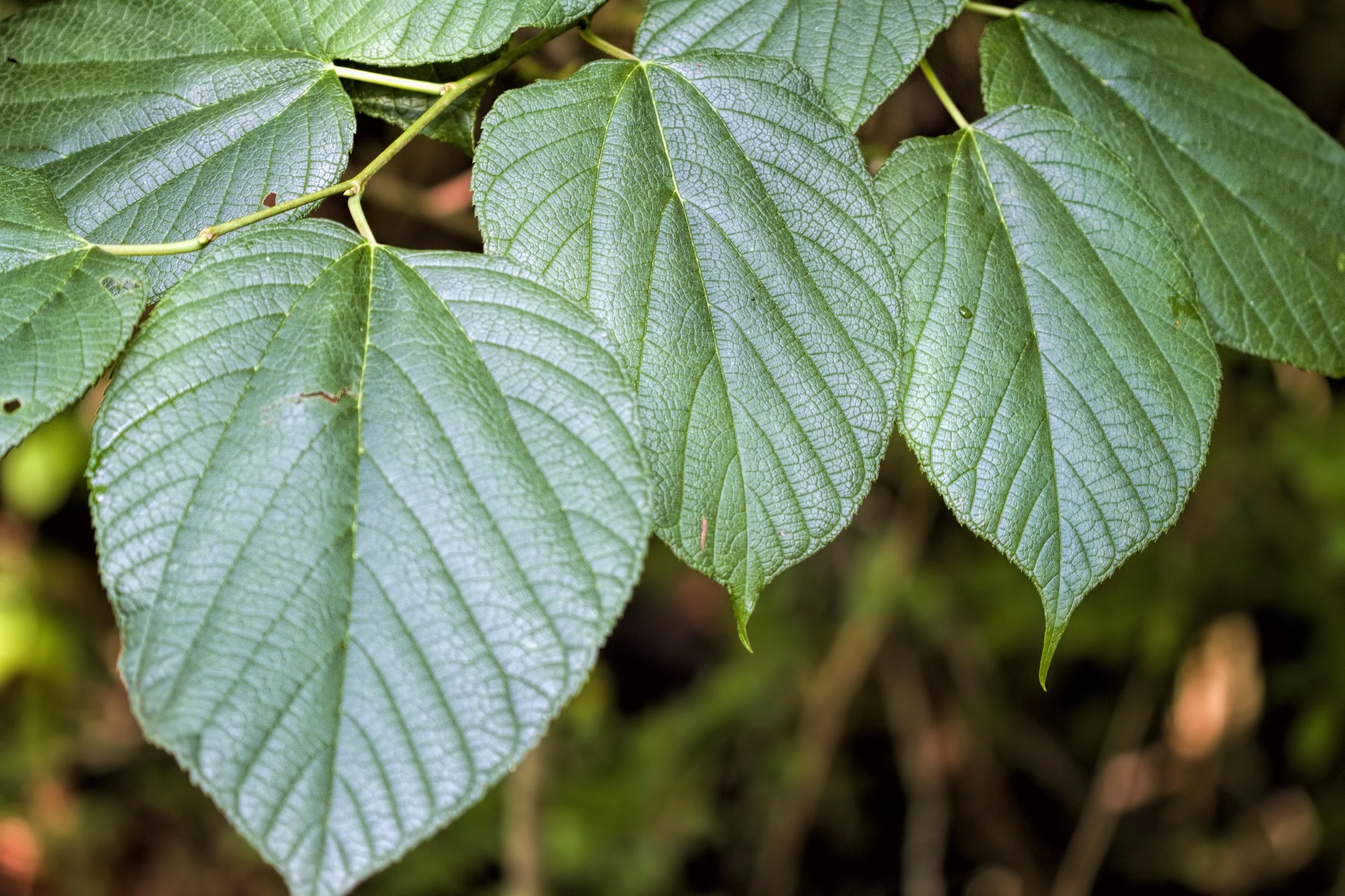 Image 2 of 3
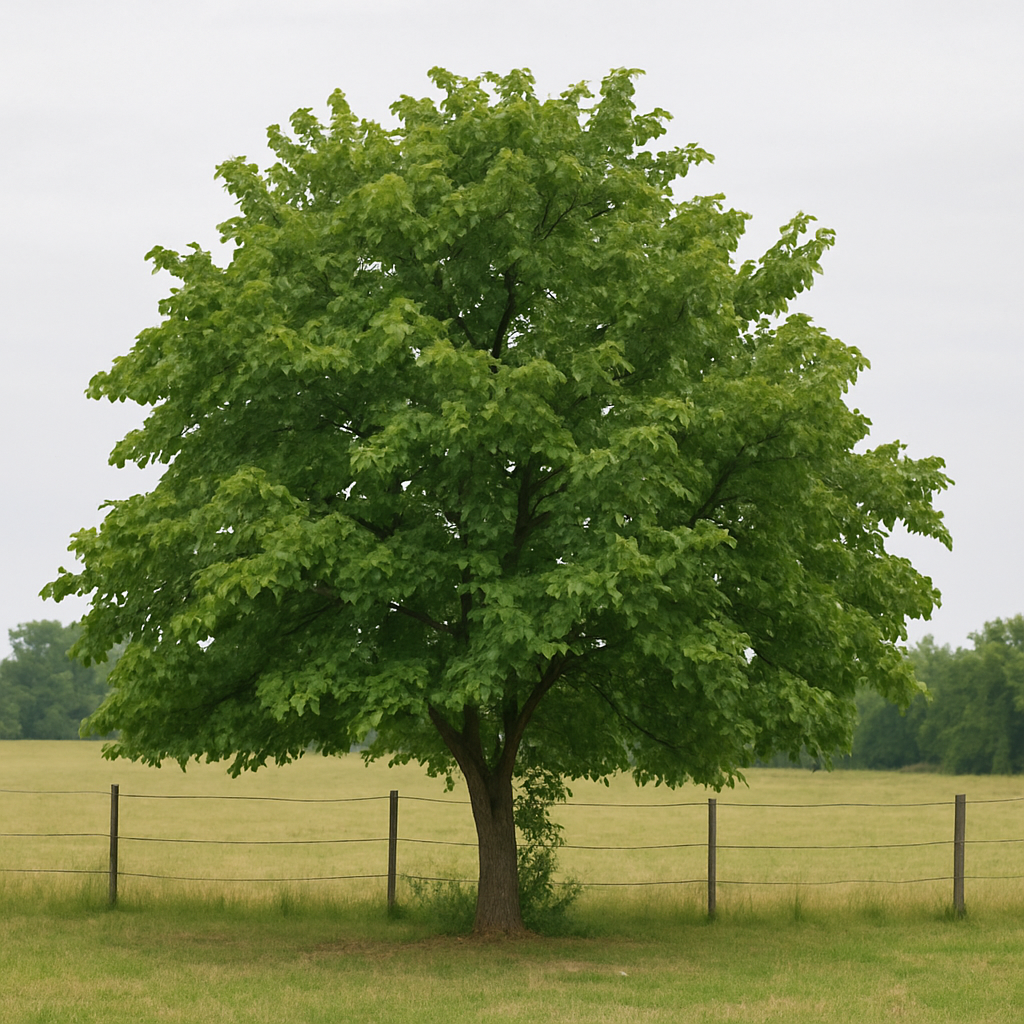 Image 3 of 3
Morus rubra
Red Mulberry Tree
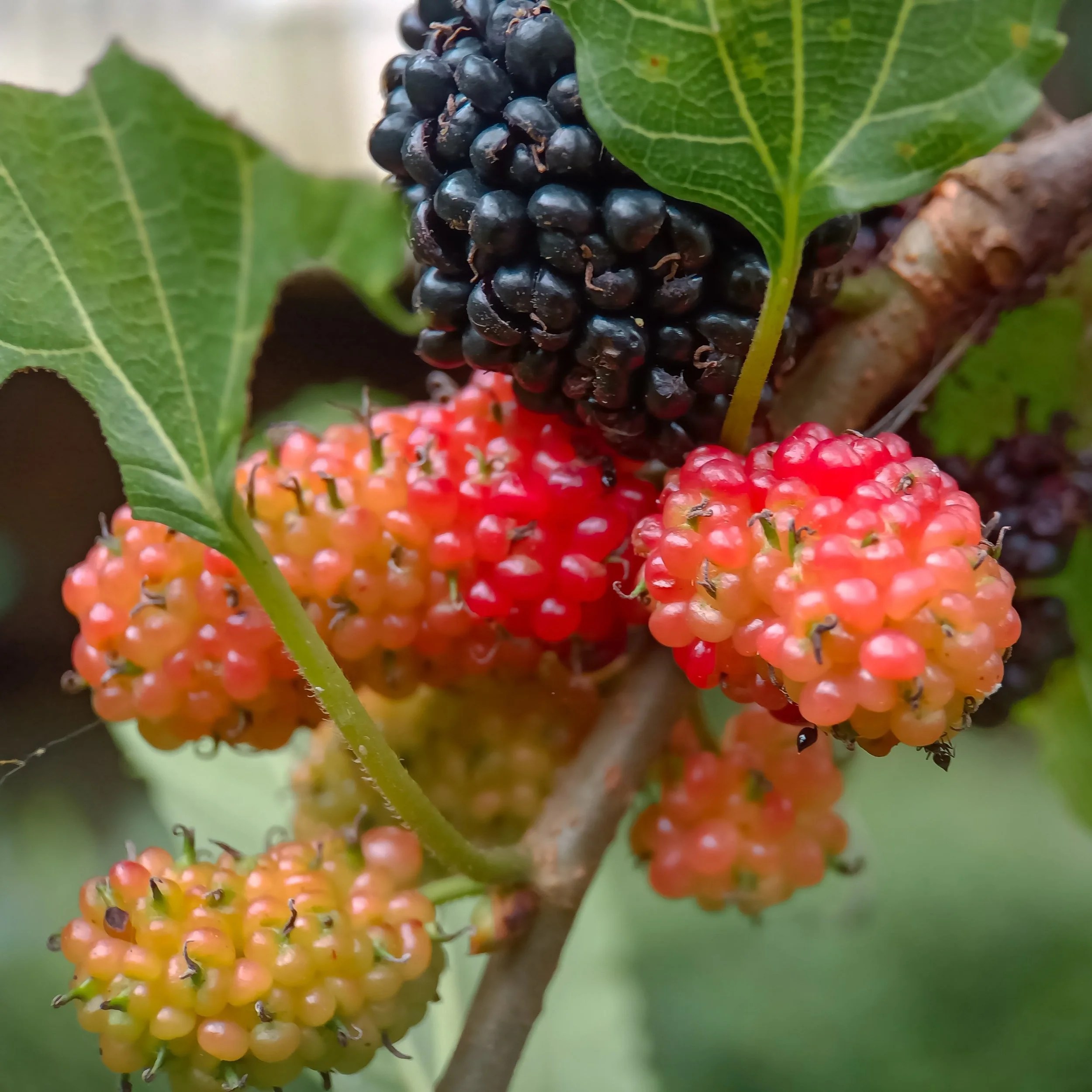
The Red Mulberry Tree is a fast-growing native fruit tree cherished for its sweet, blackberry-like fruit, wildlife value, and rich cultural history. With broad leaves, a rounded crown, and deep purple-red berries ripening in early summer, this North American native offers both beauty and bounty.
Perfect for food forests, wildlife gardens, or edible landscapes, the Red Mulberry is a long-lived tree that brings shade, fruit, and ecological benefits season after season.
Red Mulberry Tree Overview
|
Attribute |
Details |
|
🌿 Botanical Name |
Morus rubra |
|
🏷️ Common Names |
Red Mulberry, American Mulberry |
|
🌳 Mature Height |
35–60 feet |
|
🌐 Mature Width |
25–40 feet |
|
📈 Growth Rate |
Fast (2–3 feet per year) |
|
⏳ Lifespan |
75–125+ years |
|
🧊 USDA Zones |
4–9 |
|
❄️ Chill Hours |
400–800 hours |
|
☀️ Sun Preference |
Full sun to light shade |
|
🧱 Soil Type |
Tolerates many soils; prefers moist, well-drained loam |
|
⚖️ Soil pH |
Slightly acidic to neutral (5.5–7.0) |
|
💧 Water Needs |
Low to moderate; drought-tolerant once established |
|
🌸 Flower Color |
Greenish-white; inconspicuous (late spring) |
|
🍒 Fruit Type |
Deep red to black berries; sweet, juicy, and edible |
|
🐝 Pollinators |
Wind-pollinated; supports beneficial insects |
|
🌿 Growth Habit |
Spreading canopy, irregular branching |
|
↔️ Spacing |
20–30 ft from structures or other trees |
|
🏡 Landscape Uses |
Food forests, shade trees, wildlife habitat |
|
🧹 Maintenance Level |
Low once established |
Environmental Benefits
🌸 Provides nectar for native insects and early pollinators
🍒 Offers fruit for birds, squirrels, raccoons, and other wildlife
🌳 Supports native ecosystems and forest restoration efforts
🧲 Deep roots help stabilize soil and resist erosion
Pros & Cons
|
✅ Pros |
⚠️ Cons |
|
🍒 Produces delicious, antioxidant-rich fruit |
🍇 Can stain surfaces with dropped fruit |
|
🌳 Fast-growing and long-lived shade tree |
🧹 Requires space—can outgrow small areas |
|
🐦 High wildlife value; feeds birds and mammals |
🌿 Not ideal for manicured landscapes |
|
🧬 Native tree with historic cultural uses |
🐛 May attract webworms or whiteflies in humid areas |
|
💧 Drought-tolerant and low-maintenance |
✂️ Pruning needed to shape or manage size |
Planting & Care Guide
🛁 Water deeply when planting and during dry spells in year one
🕳️ Dig a hole 2–3x wider than the root ball; keep crown at soil level
🌾 Apply mulch to conserve moisture and protect the root zone
💦 Reduce watering once the tree is established
✂️ Prune during dormancy to remove crossing branches or manage form
🧪 Feed in early spring with compost or a balanced tree fertilizer
The Red Mulberry Tree is a rugged, fruit-producing native that brings shade, flavor, and habitat to your landscape. Whether feeding your family or your local wildlife, this tree delivers sweet returns for generations.
Morus rubra
Red Mulberry Tree
The Red Mulberry Tree is a fast-growing native fruit tree cherished for its sweet, blackberry-like fruit, wildlife value, and rich cultural history. With broad leaves, a rounded crown, and deep purple-red berries ripening in early summer, this North American native offers both beauty and bounty.
Perfect for food forests, wildlife gardens, or edible landscapes, the Red Mulberry is a long-lived tree that brings shade, fruit, and ecological benefits season after season.
Red Mulberry Tree Overview
|
Attribute |
Details |
|
🌿 Botanical Name |
Morus rubra |
|
🏷️ Common Names |
Red Mulberry, American Mulberry |
|
🌳 Mature Height |
35–60 feet |
|
🌐 Mature Width |
25–40 feet |
|
📈 Growth Rate |
Fast (2–3 feet per year) |
|
⏳ Lifespan |
75–125+ years |
|
🧊 USDA Zones |
4–9 |
|
❄️ Chill Hours |
400–800 hours |
|
☀️ Sun Preference |
Full sun to light shade |
|
🧱 Soil Type |
Tolerates many soils; prefers moist, well-drained loam |
|
⚖️ Soil pH |
Slightly acidic to neutral (5.5–7.0) |
|
💧 Water Needs |
Low to moderate; drought-tolerant once established |
|
🌸 Flower Color |
Greenish-white; inconspicuous (late spring) |
|
🍒 Fruit Type |
Deep red to black berries; sweet, juicy, and edible |
|
🐝 Pollinators |
Wind-pollinated; supports beneficial insects |
|
🌿 Growth Habit |
Spreading canopy, irregular branching |
|
↔️ Spacing |
20–30 ft from structures or other trees |
|
🏡 Landscape Uses |
Food forests, shade trees, wildlife habitat |
|
🧹 Maintenance Level |
Low once established |
Environmental Benefits
🌸 Provides nectar for native insects and early pollinators
🍒 Offers fruit for birds, squirrels, raccoons, and other wildlife
🌳 Supports native ecosystems and forest restoration efforts
🧲 Deep roots help stabilize soil and resist erosion
Pros & Cons
|
✅ Pros |
⚠️ Cons |
|
🍒 Produces delicious, antioxidant-rich fruit |
🍇 Can stain surfaces with dropped fruit |
|
🌳 Fast-growing and long-lived shade tree |
🧹 Requires space—can outgrow small areas |
|
🐦 High wildlife value; feeds birds and mammals |
🌿 Not ideal for manicured landscapes |
|
🧬 Native tree with historic cultural uses |
🐛 May attract webworms or whiteflies in humid areas |
|
💧 Drought-tolerant and low-maintenance |
✂️ Pruning needed to shape or manage size |
Planting & Care Guide
🛁 Water deeply when planting and during dry spells in year one
🕳️ Dig a hole 2–3x wider than the root ball; keep crown at soil level
🌾 Apply mulch to conserve moisture and protect the root zone
💦 Reduce watering once the tree is established
✂️ Prune during dormancy to remove crossing branches or manage form
🧪 Feed in early spring with compost or a balanced tree fertilizer
The Red Mulberry Tree is a rugged, fruit-producing native that brings shade, flavor, and habitat to your landscape. Whether feeding your family or your local wildlife, this tree delivers sweet returns for generations.