
 Image 1 of 5
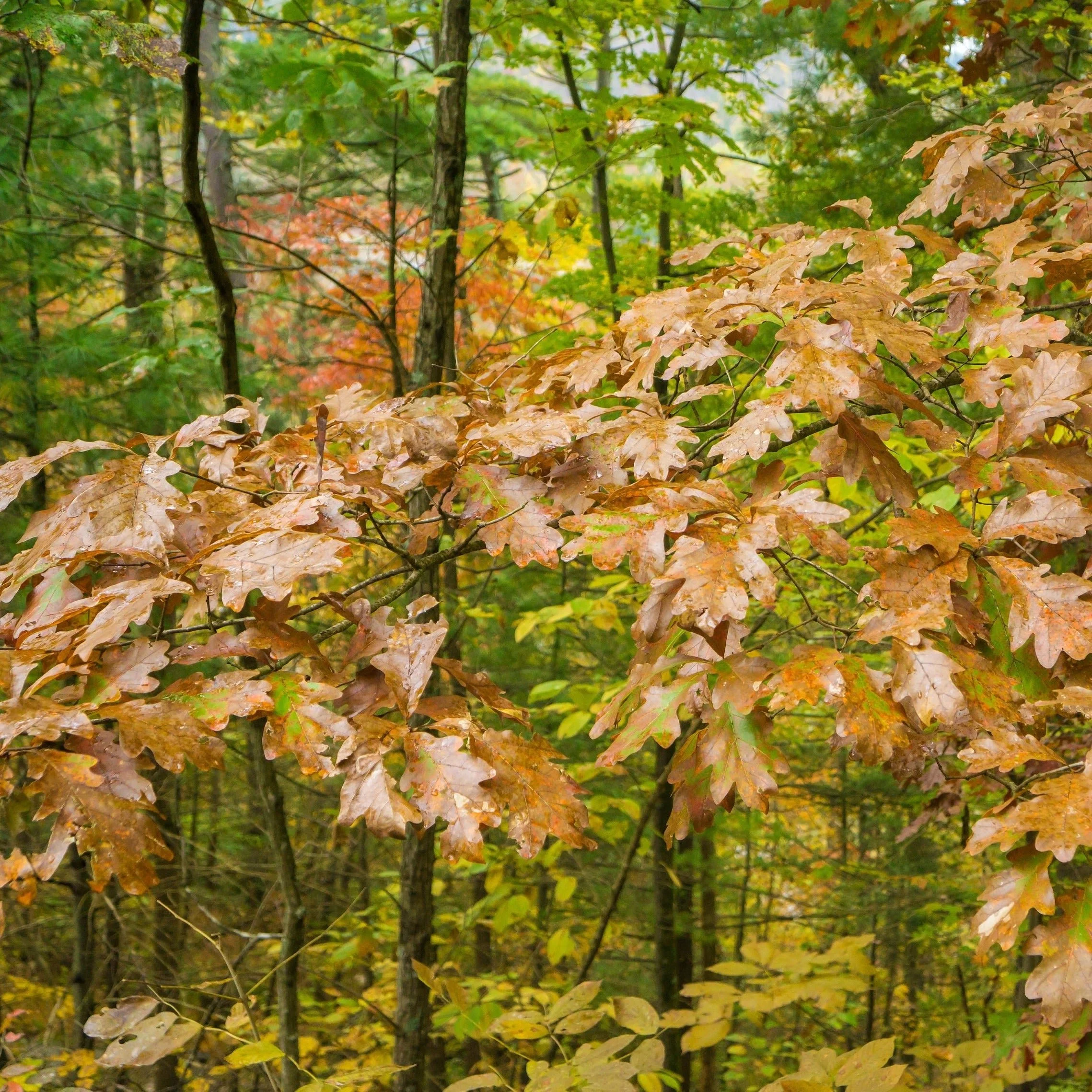 Image 2 of 5
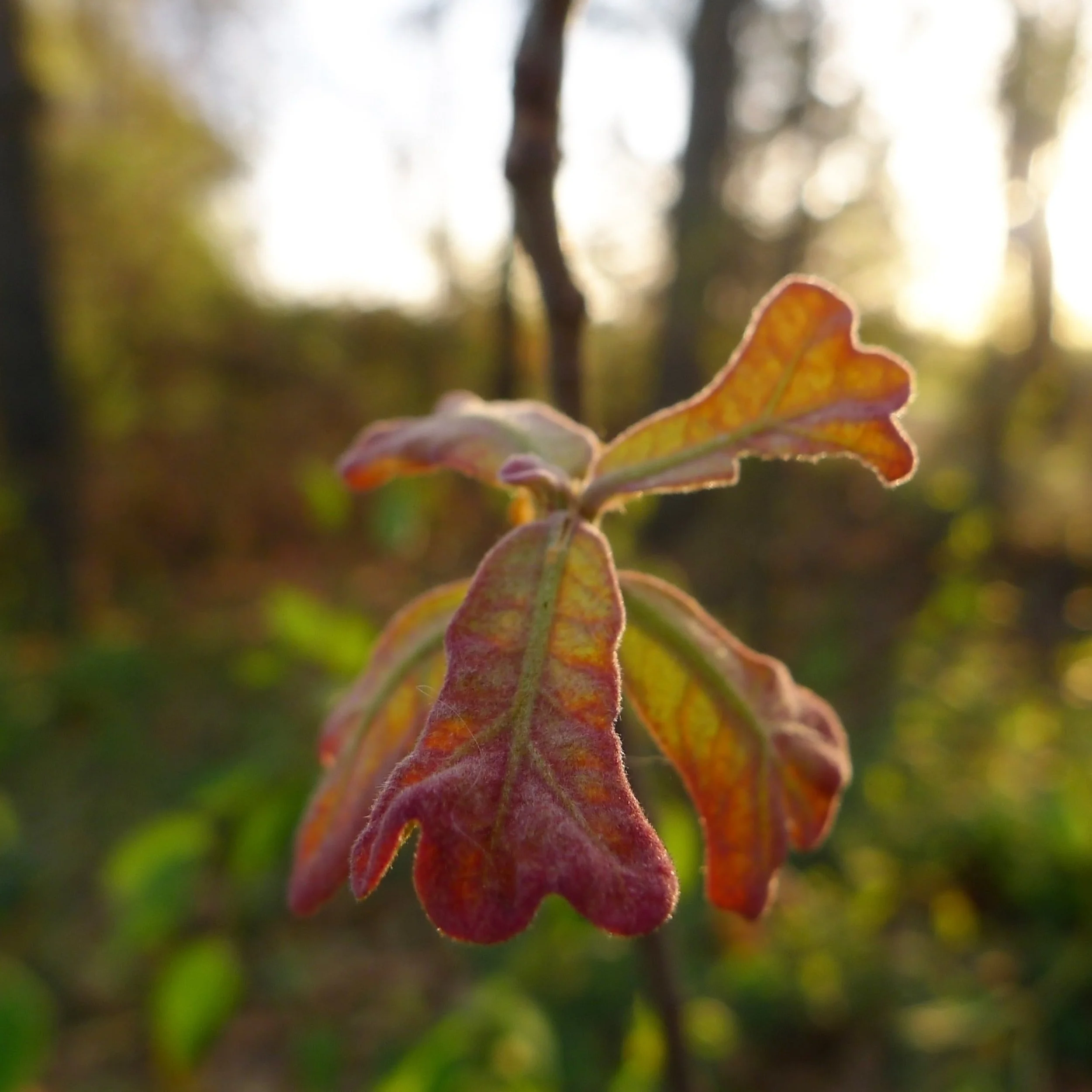 Image 3 of 5
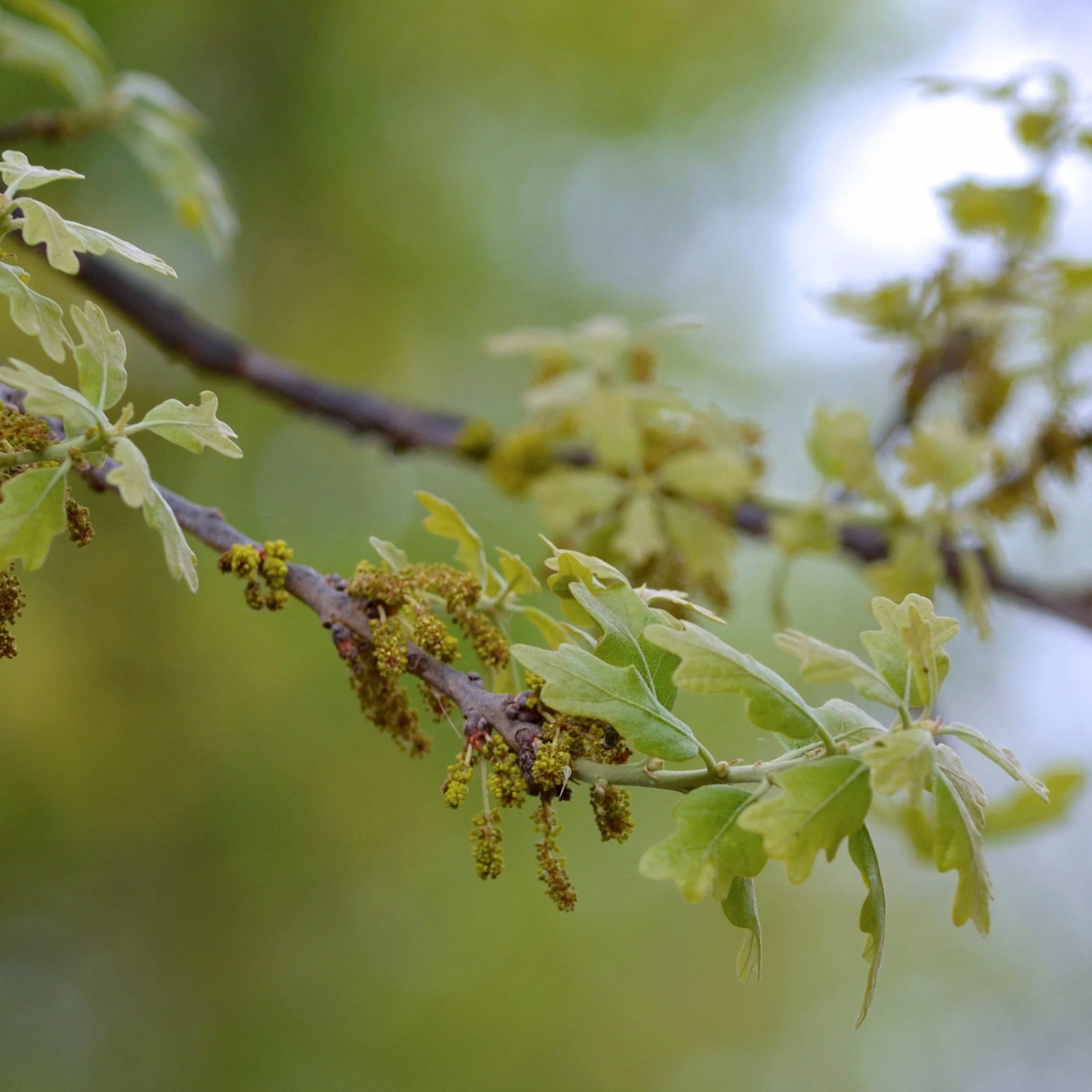 Image 4 of 5
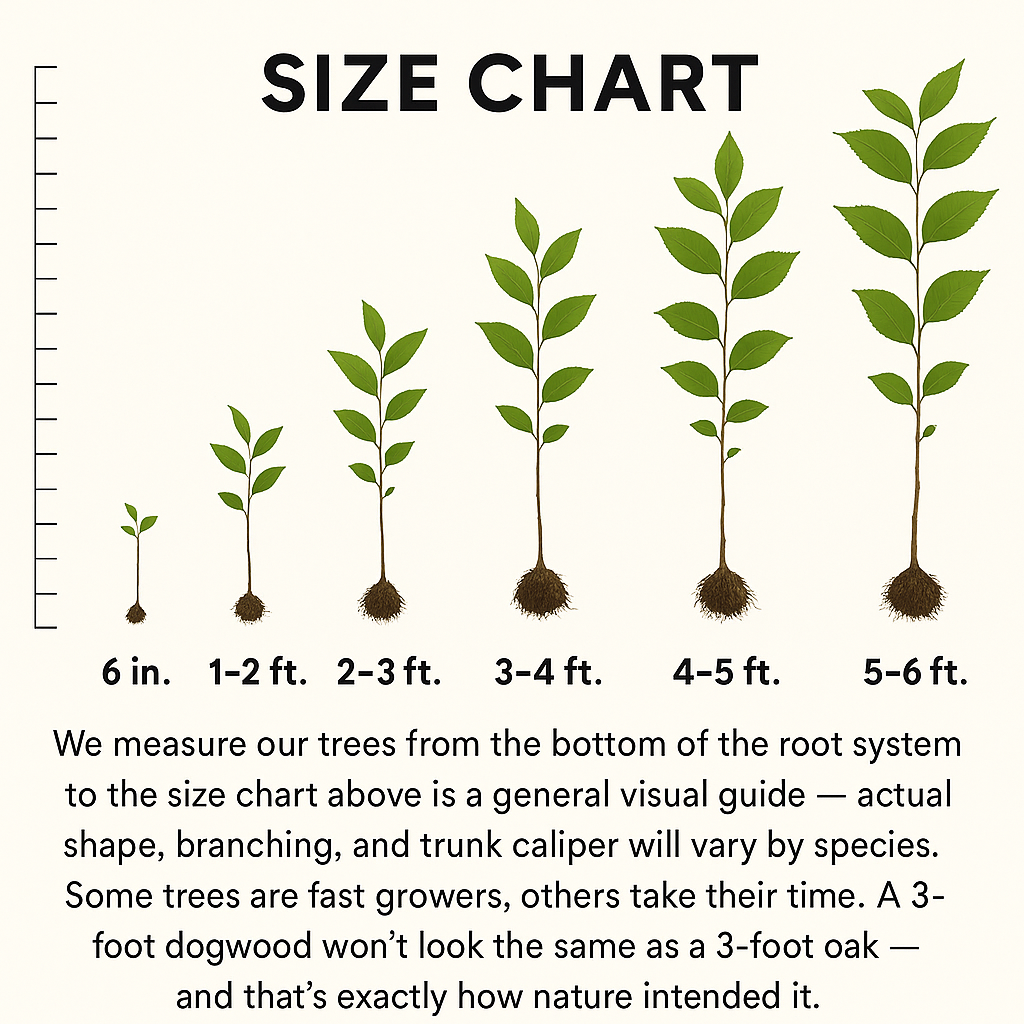 Image 5 of 5
Quercus stellata
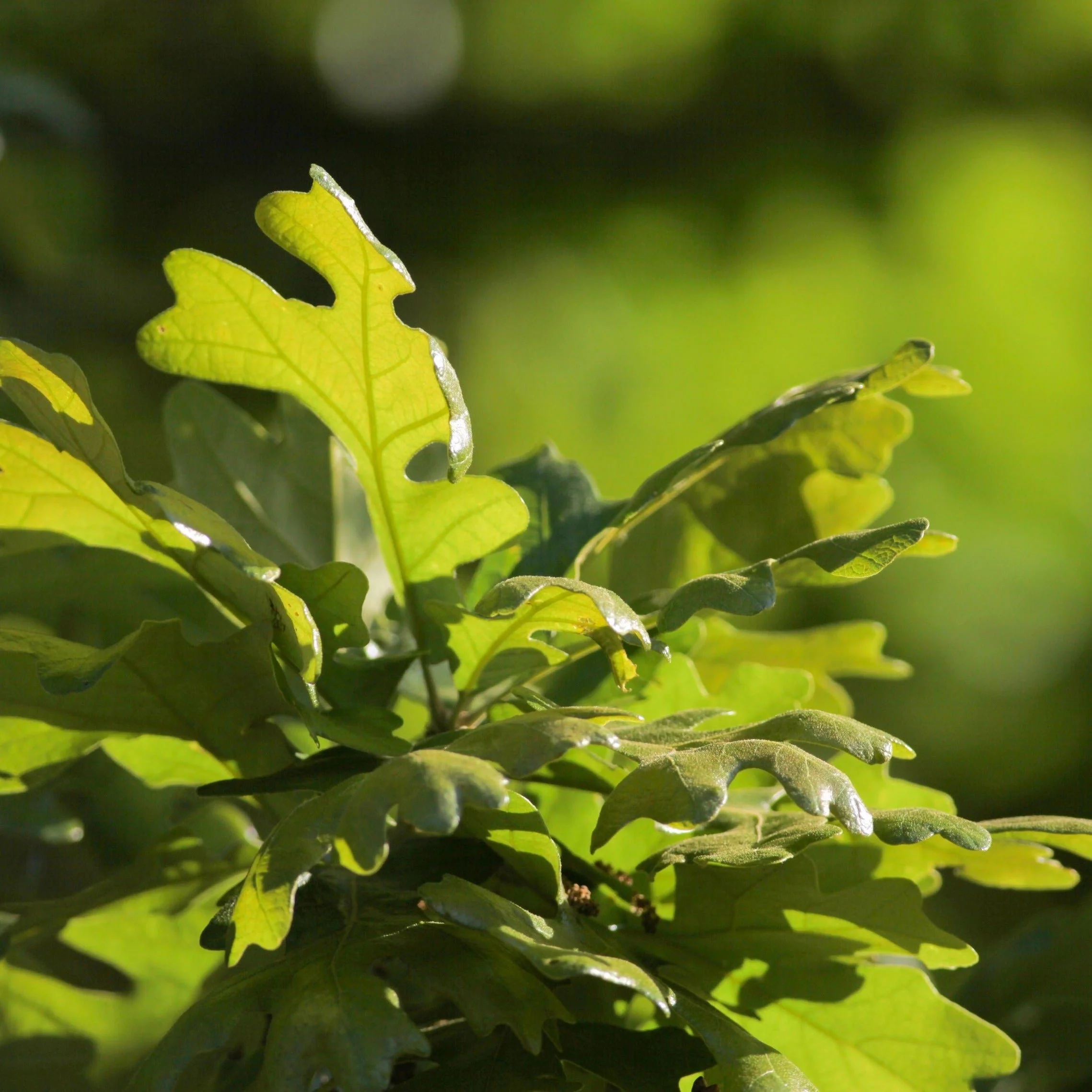
The Post Oak Tree is a rugged, long-lived native oak known for its distinctive cross-shaped leaves, thick bark, and exceptional drought tolerance. Built for harsh conditions, this tree thrives in dry, sandy, or rocky soils where many others struggle, making it a dependable choice for low-maintenance landscapes and restoration projects.
With a broad, rounded canopy and strong branching structure, the Post Oak provides excellent shade, supports wildlife, and stands as a symbol of resilience across the American landscape.
AttributeDetails🌿 Botanical NameQuercus stellata🏷️ Common NamesPost Oak, Iron Oak🌳 Mature Height35–50 feet🌐 Mature Width35–50 feet📈 Growth RateSlow (8–12 inches per year)⏳ Lifespan200–300+ years🧊 USDA Zones5–9❄️ Chill HoursNot applicable☀️ Sun PreferenceFull sun🧱 Soil TypeSandy, rocky, or well-drained soils; highly adaptable⚖️ Soil pHSlightly acidic to neutral (5.5–7.0)💧 Water NeedsLow; highly drought-tolerant once established🌸 Flower ColorInconspicuous yellow-green catkins; spring🌰 Fruit TypeAcorns; important wildlife food source🐝 PollinatorsWind-pollinated; supports ecosystem indirectly🌿 Growth HabitBroad, rounded canopy with stout branches↔️ Spacing30–50 ft apart🏡 Landscape UsesShade tree, restoration plantings, native landscapes🧹 Maintenance LevelVery low
🌳 Provides long-term canopy cover and shade in challenging environments
🌰 Produces acorns that support birds, deer, and small mammals
🌿 Native species that strengthens local ecosystems and biodiversity
🌵 Thrives in poor soils, reducing the need for irrigation or soil amendments
✅ Pros⚠️ Cons🌵 Extremely drought-tolerant once established🐢 Slow growth rate requires patience🌳 Strong, durable wood and long lifespan🌰 Produces acorns that may require cleanup🧬 Native oak with high ecological value🌱 Transplants can be sensitive due to deep taproot🏡 Excellent shade tree for tough sites🍂 Fall color is subtle compared to ornamental trees💧 Performs well in poor, dry soils🌿 Not ideal for small or compact spaces
🛁 Water thoroughly before and after planting to establish roots
🕳️ Dig a wide hole and avoid disturbing the root system deeply
🌾 Apply mulch to conserve moisture and regulate soil temperature
💦 Water regularly during the first year; minimal watering after establishment
✂️ Prune only as needed to remove damaged or crossing branches
🧪 Fertilization is rarely needed; thrives in native soil conditions
The Post Oak Tree is a resilient native powerhouse built for longevity and survival in tough conditions. With its strong structure, wildlife value, and minimal care requirements, it’s an ideal choice for landowners seeking a dependable shade tree that will stand the test of time.
Quercus stellata
The Post Oak Tree is a rugged, long-lived native oak known for its distinctive cross-shaped leaves, thick bark, and exceptional drought tolerance. Built for harsh conditions, this tree thrives in dry, sandy, or rocky soils where many others struggle, making it a dependable choice for low-maintenance landscapes and restoration projects.
With a broad, rounded canopy and strong branching structure, the Post Oak provides excellent shade, supports wildlife, and stands as a symbol of resilience across the American landscape.
AttributeDetails🌿 Botanical NameQuercus stellata🏷️ Common NamesPost Oak, Iron Oak🌳 Mature Height35–50 feet🌐 Mature Width35–50 feet📈 Growth RateSlow (8–12 inches per year)⏳ Lifespan200–300+ years🧊 USDA Zones5–9❄️ Chill HoursNot applicable☀️ Sun PreferenceFull sun🧱 Soil TypeSandy, rocky, or well-drained soils; highly adaptable⚖️ Soil pHSlightly acidic to neutral (5.5–7.0)💧 Water NeedsLow; highly drought-tolerant once established🌸 Flower ColorInconspicuous yellow-green catkins; spring🌰 Fruit TypeAcorns; important wildlife food source🐝 PollinatorsWind-pollinated; supports ecosystem indirectly🌿 Growth HabitBroad, rounded canopy with stout branches↔️ Spacing30–50 ft apart🏡 Landscape UsesShade tree, restoration plantings, native landscapes🧹 Maintenance LevelVery low
🌳 Provides long-term canopy cover and shade in challenging environments
🌰 Produces acorns that support birds, deer, and small mammals
🌿 Native species that strengthens local ecosystems and biodiversity
🌵 Thrives in poor soils, reducing the need for irrigation or soil amendments
✅ Pros⚠️ Cons🌵 Extremely drought-tolerant once established🐢 Slow growth rate requires patience🌳 Strong, durable wood and long lifespan🌰 Produces acorns that may require cleanup🧬 Native oak with high ecological value🌱 Transplants can be sensitive due to deep taproot🏡 Excellent shade tree for tough sites🍂 Fall color is subtle compared to ornamental trees💧 Performs well in poor, dry soils🌿 Not ideal for small or compact spaces
🛁 Water thoroughly before and after planting to establish roots
🕳️ Dig a wide hole and avoid disturbing the root system deeply
🌾 Apply mulch to conserve moisture and regulate soil temperature
💦 Water regularly during the first year; minimal watering after establishment
✂️ Prune only as needed to remove damaged or crossing branches
🧪 Fertilization is rarely needed; thrives in native soil conditions
The Post Oak Tree is a resilient native powerhouse built for longevity and survival in tough conditions. With its strong structure, wildlife value, and minimal care requirements, it’s an ideal choice for landowners seeking a dependable shade tree that will stand the test of time.