
 Image 1 of 3
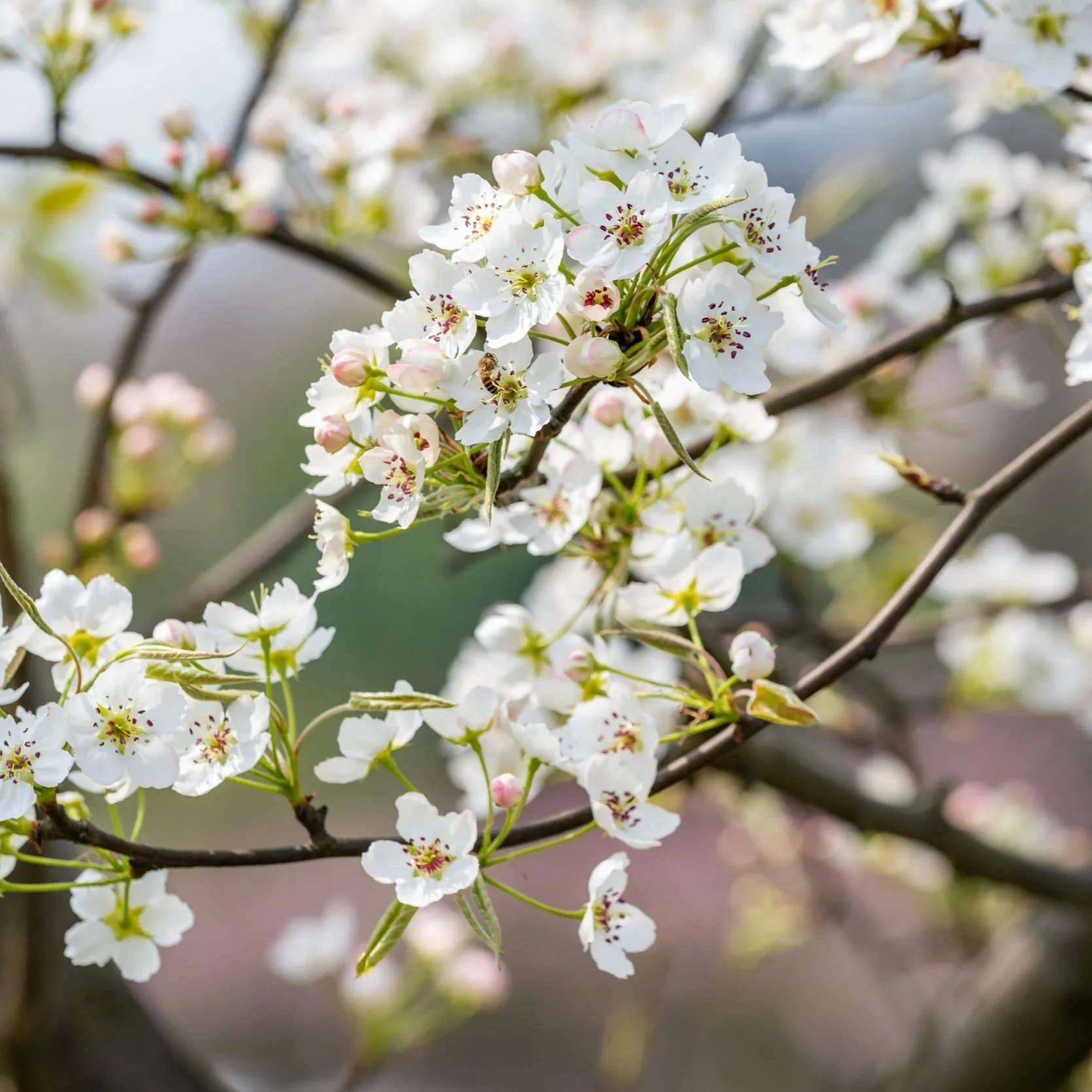 Image 2 of 3
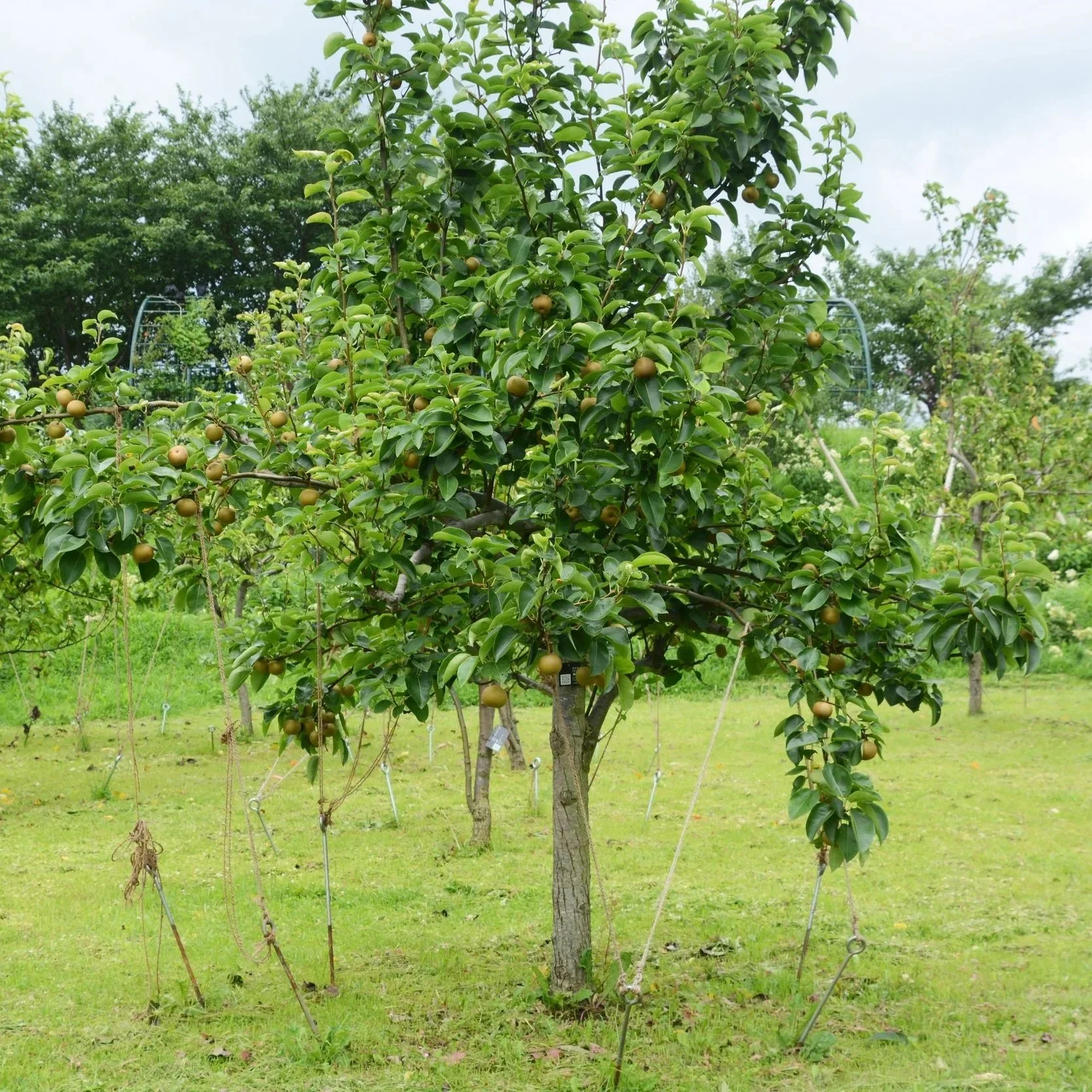 Image 3 of 3
Pyrus communis ‘Orient’
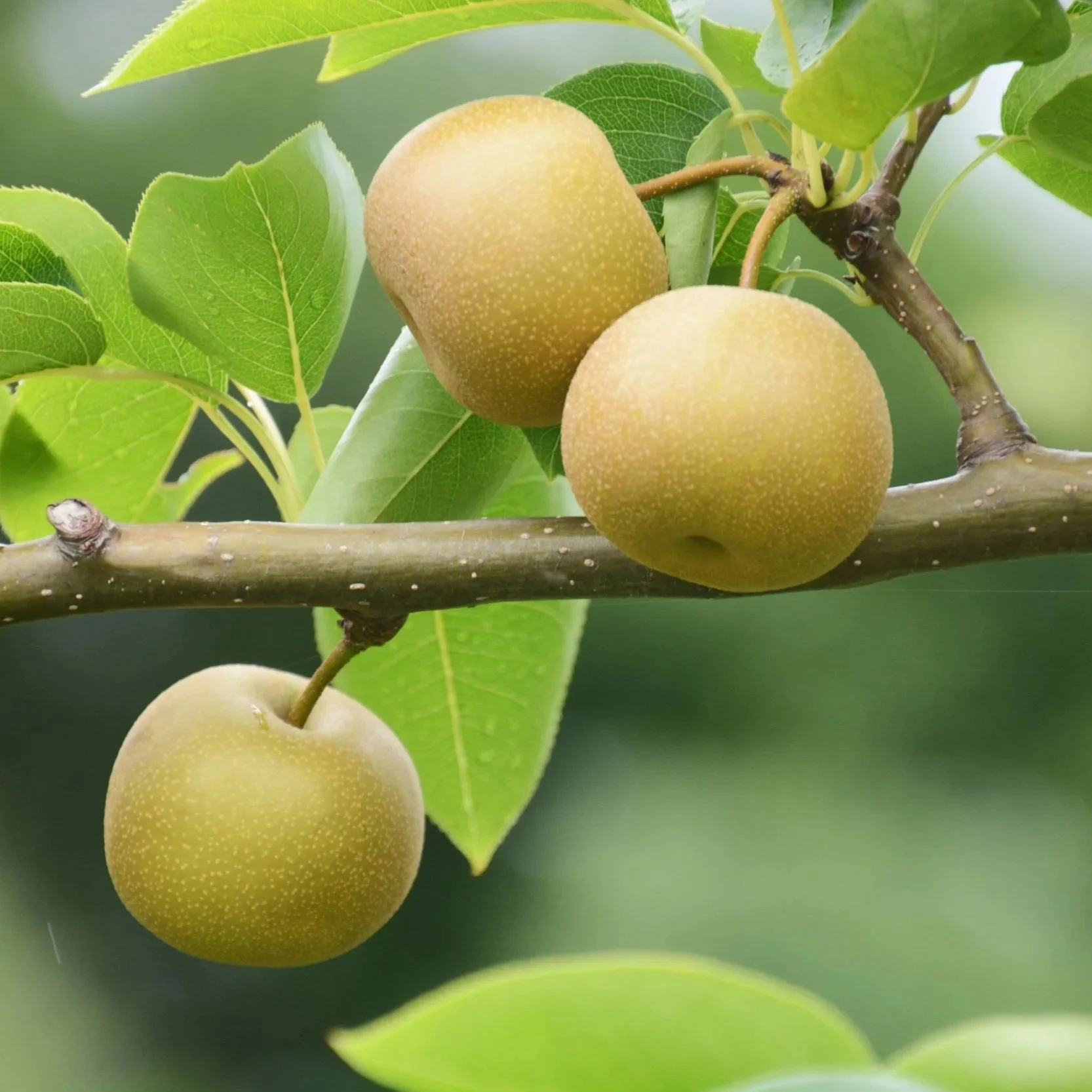
The Orient Pear Tree is a vigorous, disease-resistant pear cultivar known for its large, juicy fruit, attractive shape, and low maintenance needs. Developed in the southern U.S., the Orient is especially valued for its resistance to fire blight and its ability to thrive in warm, humid climates.
With its showy spring blooms, glossy summer foliage, and crisp, sweet fruit harvested in late summer, the Orient Pear is a reliable choice for home orchards and edible landscapes.
| Attribute | Details |
|---|---|
| 🌿 Botanical Name | Pyrus communis ‘Orient’ |
| 🏷️ Common Names | Orient Pear |
| 🌳 Mature Height | 12–20 feet |
| 🌐 Mature Width | 10–15 feet |
| 📈 Growth Rate | Moderate (12–24 inches per year) |
| ⏳ Lifespan | 30–50+ years |
| 🧊 USDA Zones | 5–9 |
| ❄️ Chill Hours | 350–450 hours |
| ☀️ Sun Preference | Full sun |
| 🧱 Soil Type | Well-drained loam, sandy loam, or clay loam |
| ⚖️ Soil pH | Slightly acidic to neutral (6.0–7.0) |
| 💧 Water Needs | Moderate; water during dry spells |
| 🌸 Flower Color | White clusters in early to mid-spring |
| 🍒 Fruit Type | Large yellow-green pears; sweet, crisp flesh |
| 🐝 Pollinators | Attracts bees; requires cross-pollination |
| 🌿 Growth Habit | Upright, spreading canopy |
| ↔️ Spacing | 15–20 ft apart |
| 🏡 Landscape Uses | Edible gardens, home orchards, privacy screens |
| 🧹 Maintenance Level | Low to moderate |
🌸 Spring blooms support native pollinators early in the season
🍐 Fruit attracts birds, deer, and other wildlife
🌿 Enhances food security in edible landscapes
🌧️ Roots stabilize soil and thrive in diverse soil types
| ✅ Pros | ⚠️ Cons |
|---|---|
| 🍐 Produces large, sweet fruit with excellent flavor | 🌳 Requires a second pear variety nearby for pollination |
| 🐝 Spring blossoms provide pollinator forage | 🍐 Fruit softens quickly once ripe; short storage window |
| 💪 Resistant to fire blight and other diseases | ✂️ Needs occasional thinning and annual pruning |
| 🧬 Bred for southern heat and humidity tolerance | ❄️ Not suitable for low chill regions under 300 chill hours |
| 🏡 Attractive tree shape with seasonal interest | 🐛 May require pest management in humid regions |
🛁 Soak bare root tree or water potted tree thoroughly before planting
🕳️ Dig a wide hole and plant at the graft union line (visible bump above roots)
🌾 Mulch 2–3 inches deep, keeping away from trunk
💦 Water regularly the first year; deeply soak during fruiting
✂️ Prune in late winter to maintain shape and improve airflow
🧪 Fertilize with balanced fruit tree mix in early spring
The Orient Pear Tree is a southern garden favorite for good reason: it's tough, productive, and beautiful. With crisp, sweet fruit, lush growth, and reliable disease resistance, this pear is a perfect anchor for any home orchard or edible landscape.
Pyrus communis ‘Orient’
The Orient Pear Tree is a vigorous, disease-resistant pear cultivar known for its large, juicy fruit, attractive shape, and low maintenance needs. Developed in the southern U.S., the Orient is especially valued for its resistance to fire blight and its ability to thrive in warm, humid climates.
With its showy spring blooms, glossy summer foliage, and crisp, sweet fruit harvested in late summer, the Orient Pear is a reliable choice for home orchards and edible landscapes.
| Attribute | Details |
|---|---|
| 🌿 Botanical Name | Pyrus communis ‘Orient’ |
| 🏷️ Common Names | Orient Pear |
| 🌳 Mature Height | 12–20 feet |
| 🌐 Mature Width | 10–15 feet |
| 📈 Growth Rate | Moderate (12–24 inches per year) |
| ⏳ Lifespan | 30–50+ years |
| 🧊 USDA Zones | 5–9 |
| ❄️ Chill Hours | 350–450 hours |
| ☀️ Sun Preference | Full sun |
| 🧱 Soil Type | Well-drained loam, sandy loam, or clay loam |
| ⚖️ Soil pH | Slightly acidic to neutral (6.0–7.0) |
| 💧 Water Needs | Moderate; water during dry spells |
| 🌸 Flower Color | White clusters in early to mid-spring |
| 🍒 Fruit Type | Large yellow-green pears; sweet, crisp flesh |
| 🐝 Pollinators | Attracts bees; requires cross-pollination |
| 🌿 Growth Habit | Upright, spreading canopy |
| ↔️ Spacing | 15–20 ft apart |
| 🏡 Landscape Uses | Edible gardens, home orchards, privacy screens |
| 🧹 Maintenance Level | Low to moderate |
🌸 Spring blooms support native pollinators early in the season
🍐 Fruit attracts birds, deer, and other wildlife
🌿 Enhances food security in edible landscapes
🌧️ Roots stabilize soil and thrive in diverse soil types
| ✅ Pros | ⚠️ Cons |
|---|---|
| 🍐 Produces large, sweet fruit with excellent flavor | 🌳 Requires a second pear variety nearby for pollination |
| 🐝 Spring blossoms provide pollinator forage | 🍐 Fruit softens quickly once ripe; short storage window |
| 💪 Resistant to fire blight and other diseases | ✂️ Needs occasional thinning and annual pruning |
| 🧬 Bred for southern heat and humidity tolerance | ❄️ Not suitable for low chill regions under 300 chill hours |
| 🏡 Attractive tree shape with seasonal interest | 🐛 May require pest management in humid regions |
🛁 Soak bare root tree or water potted tree thoroughly before planting
🕳️ Dig a wide hole and plant at the graft union line (visible bump above roots)
🌾 Mulch 2–3 inches deep, keeping away from trunk
💦 Water regularly the first year; deeply soak during fruiting
✂️ Prune in late winter to maintain shape and improve airflow
🧪 Fertilize with balanced fruit tree mix in early spring
The Orient Pear Tree is a southern garden favorite for good reason: it's tough, productive, and beautiful. With crisp, sweet fruit, lush growth, and reliable disease resistance, this pear is a perfect anchor for any home orchard or edible landscape.