
 Image 1 of 5
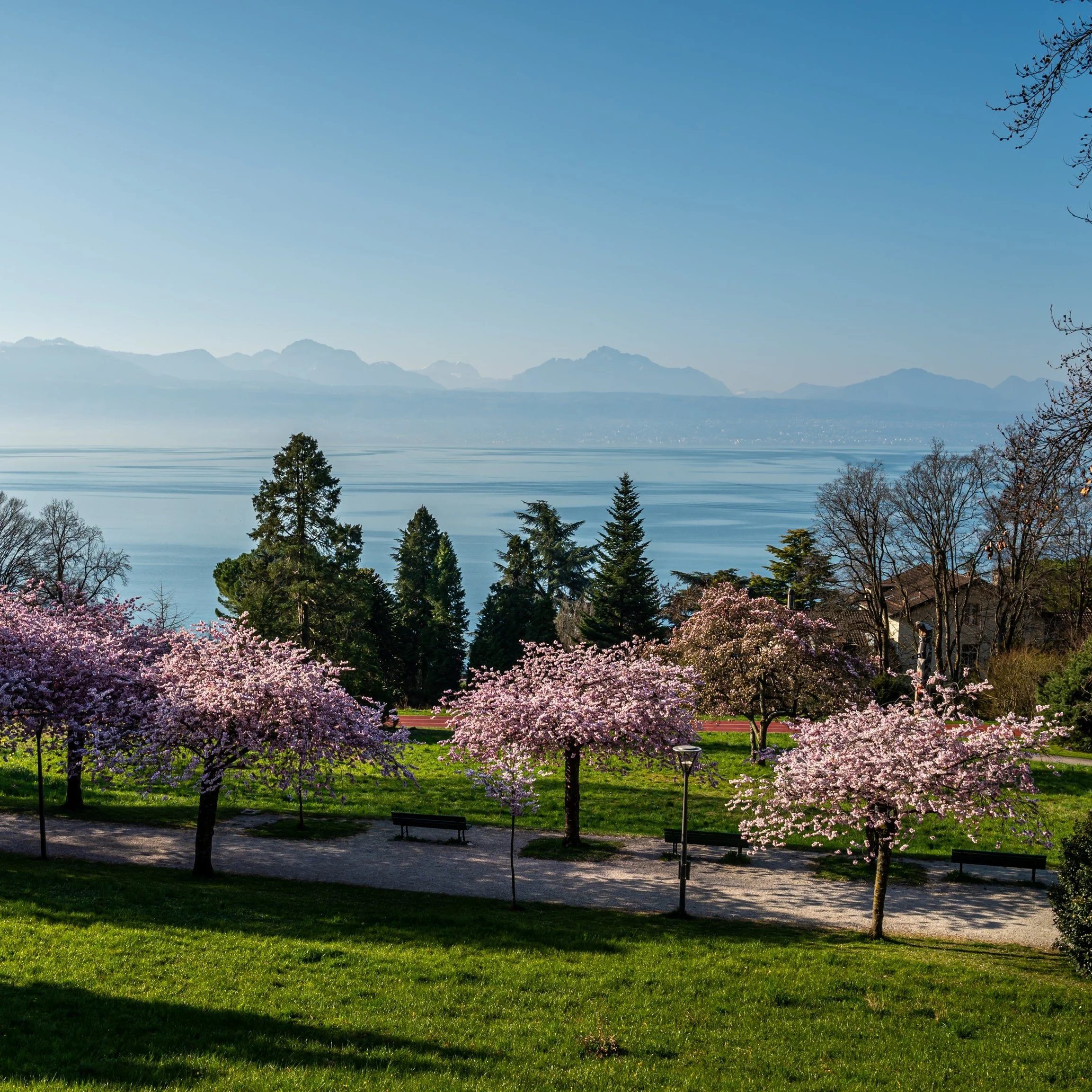 Image 2 of 5
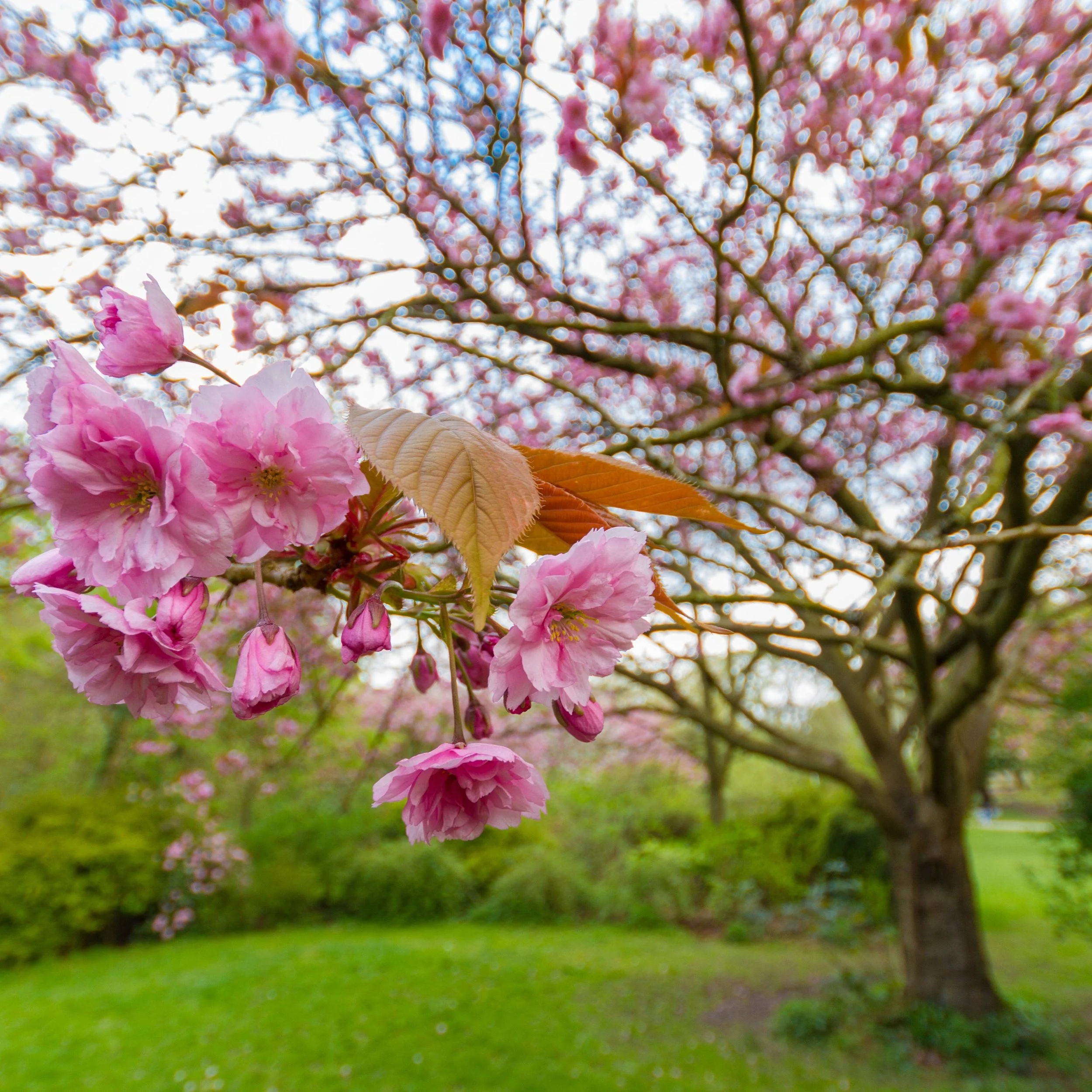 Image 3 of 5
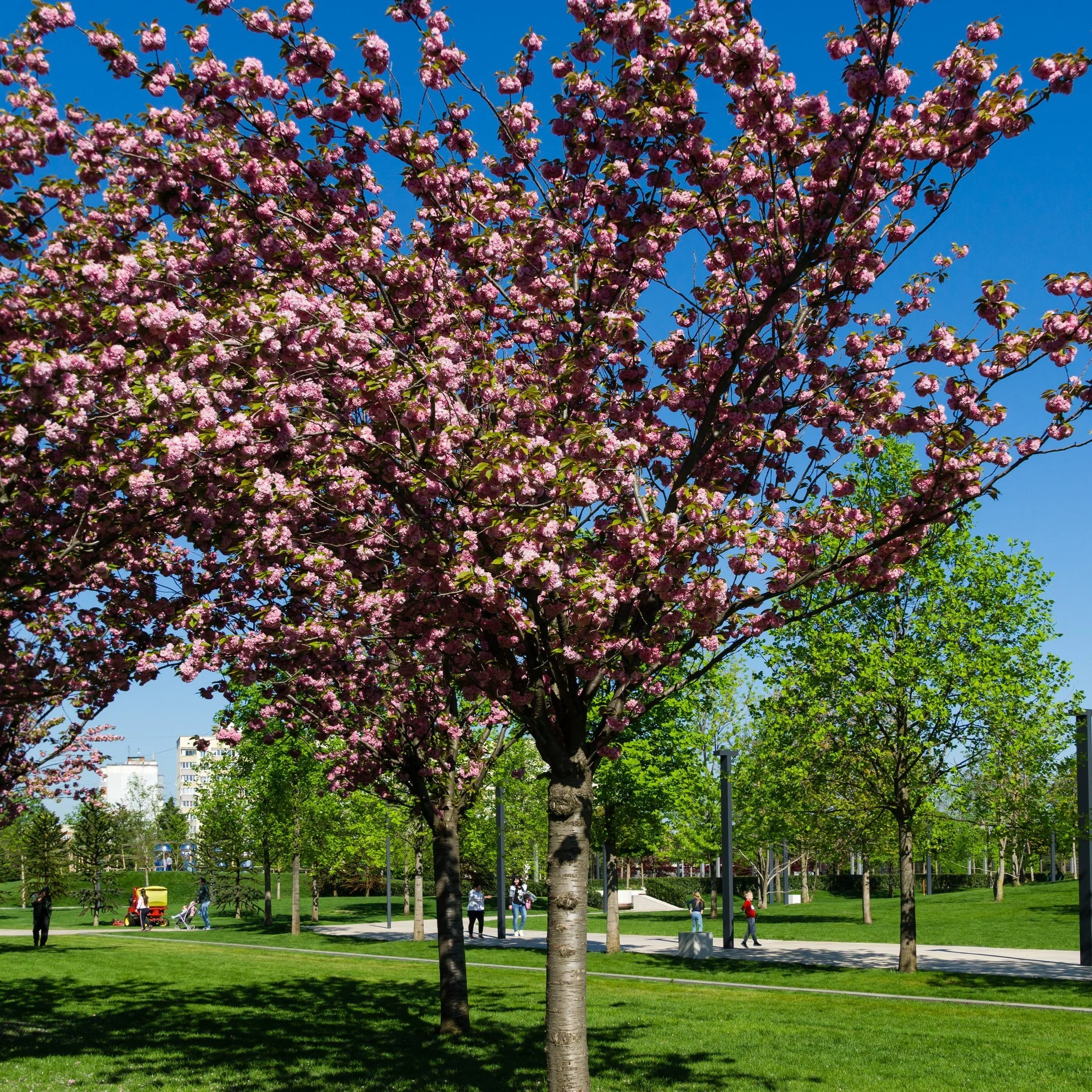 Image 4 of 5
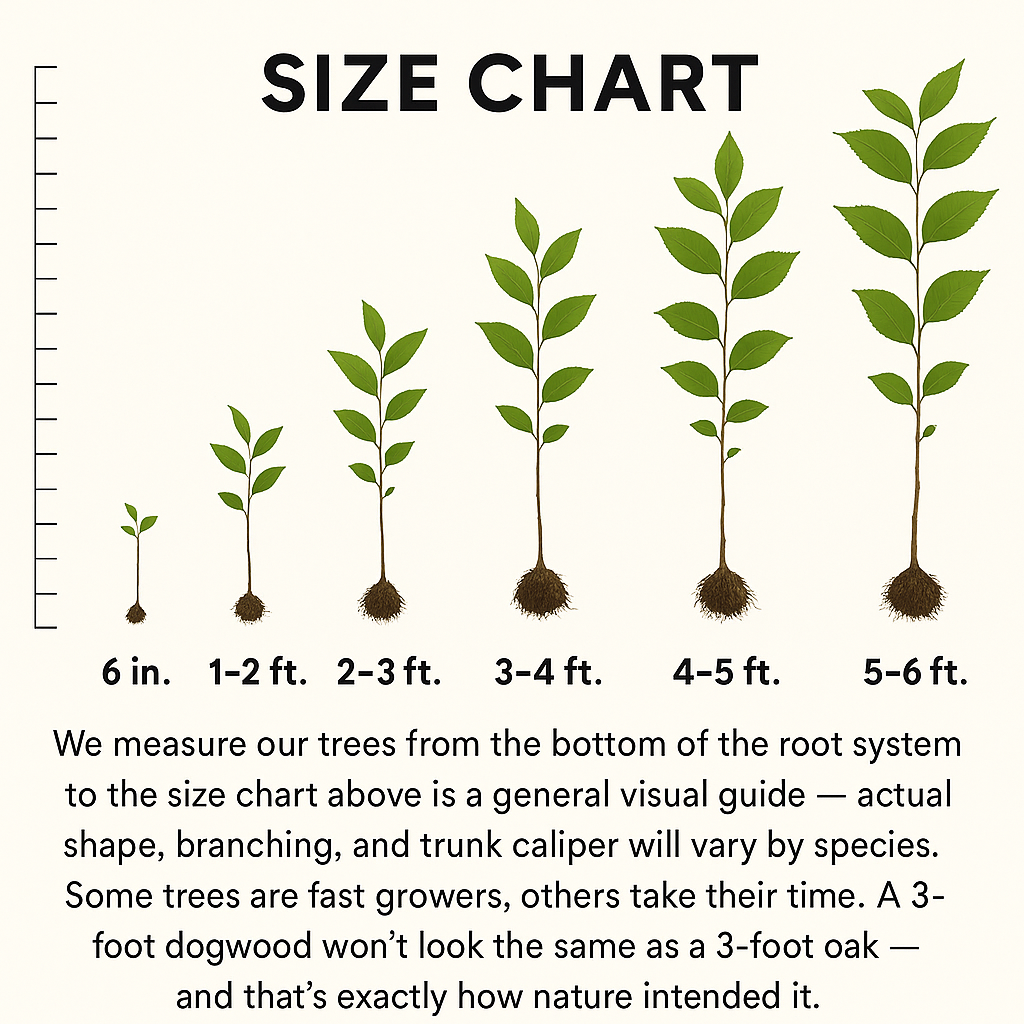 Image 5 of 5
Prunus serrulata 'Kwanzan'
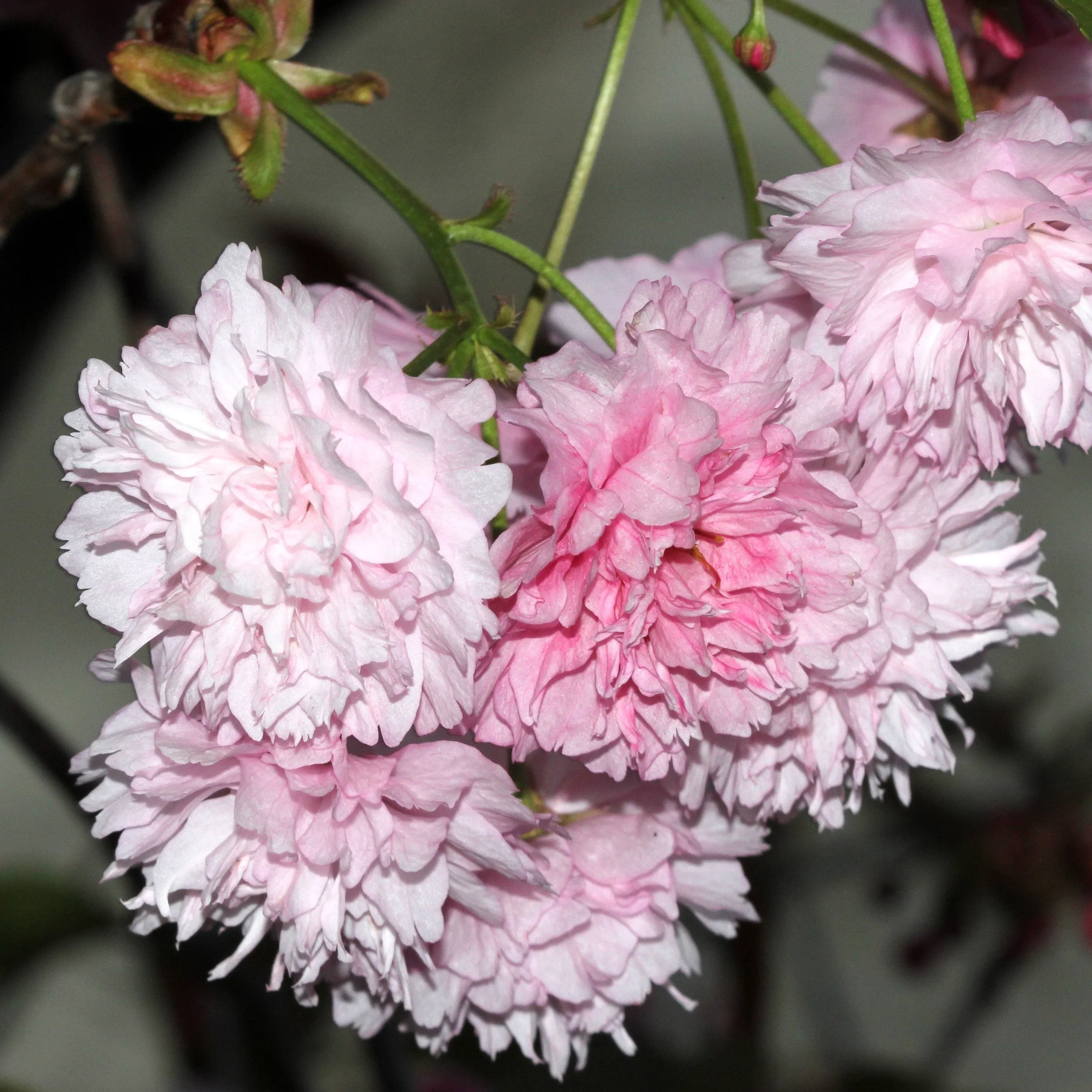
The Kwanzan Cherry Tree is one of the most breathtaking ornamental cherry trees, renowned for its stunning double-pink blossoms, graceful branching, and vibrant fall foliage. With a showy springtime display and a fast-growing nature, the Kwanzan Cherry is a perfect choice for home landscapes, streetscapes, and ornamental gardens. This low-maintenance, disease-resistant tree thrives in various soil types and adds a striking focal point to any setting.
| Attribute | Details |
|---|---|
| Variety | Rooted |
| Botanical Name | Prunus serrulata ‘Kwanzan’ |
| Common Names | Kwanzan Cherry, Japanese Cherry, Flowering Cherry |
| Mature Height | 25-30 feet |
| Mature Width | 20-25 feet |
| Growth Rate | Fast (1-2 feet per year) |
| Lifespan | 15-25 years |
| USDA Hardiness Zones | 5-9 |
| Sun Preference | Full sun (6+ hours of direct sunlight) |
| Soil Type | Well-drained, loamy, sandy, or clay soil |
| Soil pH | Slightly acidic to neutral (6.0-7.5) |
| Water Needs | Moderate; prefers consistent moisture but tolerates short droughts |
| Flowering Season | Spring (March-April) |
| Flower Color | Double-layered pink blossoms |
| Fall Foliage | Golden yellow to orange |
| Wildlife Attraction | Bees, butterflies |
| Growth Habit | Upright, vase-shaped canopy |
| Self-Pollinating? | Yes |
| Landscape Uses | Specimen tree, ornamental garden, street tree, walkway lining |
| Maintenance Level | Low to moderate |
🌸 Pollinator-Friendly – The abundant fragrant pink blooms attract bees and butterflies, supporting local ecosystems.
🌳 Air Quality & Erosion Control – Helps improve air quality and prevent soil erosion, making it a great tree for urban and suburban landscapes.
🍂 Seasonal Beauty – Provides a spectacular spring bloom, lush summer foliage, and warm-toned fall colors for year-round visual appeal.
🌱 Fast-Growing & Adaptable – Thrives in various soil conditions and grows quickly to provide shade and aesthetic beauty.
| Pros | Cons |
|---|---|
| Spectacular double-pink flowers in spring | Shorter lifespan (15-25 years) compared to other trees |
| Fast-growing and establishes quickly | Does not produce edible fruit |
| Low-maintenance and disease-resistant | Requires well-drained soil to prevent root rot |
| Attracts pollinators and enhances biodiversity | Flowers only last about 2-3 weeks each spring |
| Striking fall foliage in shades of yellow and orange | Can be susceptible to pests like aphids if not properly maintained |
The Kwanzan Cherry Tree is a stunning ornamental choice for those looking to add vibrant color and elegance to their landscape. Whether planted as a standalone focal point, in rows along a pathway, or as part of a flowering garden, this fast-growing, low-maintenance tree provides incredible seasonal beauty and pollinator support.
Prunus serrulata 'Kwanzan'
The Kwanzan Cherry Tree is one of the most breathtaking ornamental cherry trees, renowned for its stunning double-pink blossoms, graceful branching, and vibrant fall foliage. With a showy springtime display and a fast-growing nature, the Kwanzan Cherry is a perfect choice for home landscapes, streetscapes, and ornamental gardens. This low-maintenance, disease-resistant tree thrives in various soil types and adds a striking focal point to any setting.
| Attribute | Details |
|---|---|
| Variety | Rooted |
| Botanical Name | Prunus serrulata ‘Kwanzan’ |
| Common Names | Kwanzan Cherry, Japanese Cherry, Flowering Cherry |
| Mature Height | 25-30 feet |
| Mature Width | 20-25 feet |
| Growth Rate | Fast (1-2 feet per year) |
| Lifespan | 15-25 years |
| USDA Hardiness Zones | 5-9 |
| Sun Preference | Full sun (6+ hours of direct sunlight) |
| Soil Type | Well-drained, loamy, sandy, or clay soil |
| Soil pH | Slightly acidic to neutral (6.0-7.5) |
| Water Needs | Moderate; prefers consistent moisture but tolerates short droughts |
| Flowering Season | Spring (March-April) |
| Flower Color | Double-layered pink blossoms |
| Fall Foliage | Golden yellow to orange |
| Wildlife Attraction | Bees, butterflies |
| Growth Habit | Upright, vase-shaped canopy |
| Self-Pollinating? | Yes |
| Landscape Uses | Specimen tree, ornamental garden, street tree, walkway lining |
| Maintenance Level | Low to moderate |
🌸 Pollinator-Friendly – The abundant fragrant pink blooms attract bees and butterflies, supporting local ecosystems.
🌳 Air Quality & Erosion Control – Helps improve air quality and prevent soil erosion, making it a great tree for urban and suburban landscapes.
🍂 Seasonal Beauty – Provides a spectacular spring bloom, lush summer foliage, and warm-toned fall colors for year-round visual appeal.
🌱 Fast-Growing & Adaptable – Thrives in various soil conditions and grows quickly to provide shade and aesthetic beauty.
| Pros | Cons |
|---|---|
| Spectacular double-pink flowers in spring | Shorter lifespan (15-25 years) compared to other trees |
| Fast-growing and establishes quickly | Does not produce edible fruit |
| Low-maintenance and disease-resistant | Requires well-drained soil to prevent root rot |
| Attracts pollinators and enhances biodiversity | Flowers only last about 2-3 weeks each spring |
| Striking fall foliage in shades of yellow and orange | Can be susceptible to pests like aphids if not properly maintained |
The Kwanzan Cherry Tree is a stunning ornamental choice for those looking to add vibrant color and elegance to their landscape. Whether planted as a standalone focal point, in rows along a pathway, or as part of a flowering garden, this fast-growing, low-maintenance tree provides incredible seasonal beauty and pollinator support.