Gleditsia triacanthos
Honey Locust Tree
The Honey Locust Tree (Gleditsia triacanthos var. inermis) is a graceful, fast-growing deciduous shade tree known for its fine, fern-like foliage, dappled light, and tolerance of urban and poor soil conditions. This thornless variety is especially popular in modern landscaping for its airy canopy, low maintenance needs, and filtered shade that allows grass and understory plants to thrive beneath.
Highly adaptable and attractive through the seasons, the Honey Locust is perfect for large lawns, streetscapes, park plantings, and heat- or drought-prone regions.
Honey Locust Tree Overview
| Attribute |
Details |
| 🌿 Botanical Name
|
Gleditsia triacanthos var. inermis |
| 🏷️ Common Names
|
Honey Locust, Thornless Honeylocust, Shade Locust |
| 🌳 Mature Height
|
30–70 feet |
| 🌐 Mature Width
|
30–50 feet |
| 📈 Growth Rate
|
Fast (2–3 feet per year) |
| ⏳ Lifespan
|
70–100+ years |
| 🧊 USDA Zones
|
3–9 |
| ☀️ Sun Preference
|
Full sun (required for strong canopy development)
|
| 🧱 Soil Type
|
Tolerates loam, clay, compacted, salty, or poor soils |
| ⚖️ Soil pH
|
Very adaptable (5.0–8.0) |
| 💧 Water Needs
|
Low to moderate; drought-tolerant once established |
| 🍃 Foliage Color
|
Bright green in summer; golden yellow in fall |
| 🌸 Flower Color
|
Small, fragrant yellow-green (not showy) |
| 🐝 Pollination
|
Attracts bees, small pollinators, and beneficial insects |
| 🌿 Growth Habit
|
Open, spreading canopy with fine-textured branches |
| ↔️ Spacing
|
30–50 ft for open shade or specimen planting |
| 🏡 Landscape Uses
|
Shade tree, urban plantings, lawn tree, erosion control |
| 🧹 Maintenance Level
|
Low |
Environmental Benefits
🌞 Provides filtered shade, ideal for lawns and companion plantings
🐝 Supports pollinators and beneficial insects with early blooms
🌎 Tolerates urban pollution, salt, drought, and compacted soils
🍂 Aids in soil stabilization and large-scale reforestation efforts
Pros & Cons
| ✅ Pros
|
⚠️ Cons
|
| 🌿 Fast-growing with attractive, lacy foliage |
🍃 Drops leaflets, seed pods, and twigs in fall |
| 🌞 Ideal filtered shade allows sun-loving plants below |
🪵 Open canopy offers less dense shade than traditional trees |
| 🧬 Extremely adaptable to soil and climate |
🌾 May spread via seeds in unmanaged sites |
| 🐝 Valuable to pollinators and beneficial insects |
✂️ Occasional pruning needed to control shape or remove low limbs |
| 🌱 Low maintenance and great for tough urban sites |
🌳 Large size not suitable for very small spaces |
Planting & Care Guide
🛁 Water deeply before and after planting for strong root establishment
🕳️ Dig a wide hole twice the size of the root mass; plant at soil level
🌾 Apply mulch 2–3 inches deep around base, avoiding trunk contact
💦 Water weekly during the first growing season; taper off over time
✂️ Prune in late winter or early spring to shape and maintain clearance
🧪 Fertilize only if soil is nutrient-poor; thrives in low-fertility soils
The Honey Locust Tree is a versatile shade solution that blends beauty, resilience, and practicality for modern landscapes. Whether planted for its filtered light, elegant form, or toughness in harsh conditions, it’s a standout performer for urban environments, open lawns, and sustainable design.
Gleditsia triacanthos
Honey Locust Tree
The Honey Locust Tree (Gleditsia triacanthos var. inermis) is a graceful, fast-growing deciduous shade tree known for its fine, fern-like foliage, dappled light, and tolerance of urban and poor soil conditions. This thornless variety is especially popular in modern landscaping for its airy canopy, low maintenance needs, and filtered shade that allows grass and understory plants to thrive beneath.
Highly adaptable and attractive through the seasons, the Honey Locust is perfect for large lawns, streetscapes, park plantings, and heat- or drought-prone regions.
Honey Locust Tree Overview
| Attribute |
Details |
| 🌿 Botanical Name
|
Gleditsia triacanthos var. inermis |
| 🏷️ Common Names
|
Honey Locust, Thornless Honeylocust, Shade Locust |
| 🌳 Mature Height
|
30–70 feet |
| 🌐 Mature Width
|
30–50 feet |
| 📈 Growth Rate
|
Fast (2–3 feet per year) |
| ⏳ Lifespan
|
70–100+ years |
| 🧊 USDA Zones
|
3–9 |
| ☀️ Sun Preference
|
Full sun (required for strong canopy development)
|
| 🧱 Soil Type
|
Tolerates loam, clay, compacted, salty, or poor soils |
| ⚖️ Soil pH
|
Very adaptable (5.0–8.0) |
| 💧 Water Needs
|
Low to moderate; drought-tolerant once established |
| 🍃 Foliage Color
|
Bright green in summer; golden yellow in fall |
| 🌸 Flower Color
|
Small, fragrant yellow-green (not showy) |
| 🐝 Pollination
|
Attracts bees, small pollinators, and beneficial insects |
| 🌿 Growth Habit
|
Open, spreading canopy with fine-textured branches |
| ↔️ Spacing
|
30–50 ft for open shade or specimen planting |
| 🏡 Landscape Uses
|
Shade tree, urban plantings, lawn tree, erosion control |
| 🧹 Maintenance Level
|
Low |
Environmental Benefits
🌞 Provides filtered shade, ideal for lawns and companion plantings
🐝 Supports pollinators and beneficial insects with early blooms
🌎 Tolerates urban pollution, salt, drought, and compacted soils
🍂 Aids in soil stabilization and large-scale reforestation efforts
Pros & Cons
| ✅ Pros
|
⚠️ Cons
|
| 🌿 Fast-growing with attractive, lacy foliage |
🍃 Drops leaflets, seed pods, and twigs in fall |
| 🌞 Ideal filtered shade allows sun-loving plants below |
🪵 Open canopy offers less dense shade than traditional trees |
| 🧬 Extremely adaptable to soil and climate |
🌾 May spread via seeds in unmanaged sites |
| 🐝 Valuable to pollinators and beneficial insects |
✂️ Occasional pruning needed to control shape or remove low limbs |
| 🌱 Low maintenance and great for tough urban sites |
🌳 Large size not suitable for very small spaces |
Planting & Care Guide
🛁 Water deeply before and after planting for strong root establishment
🕳️ Dig a wide hole twice the size of the root mass; plant at soil level
🌾 Apply mulch 2–3 inches deep around base, avoiding trunk contact
💦 Water weekly during the first growing season; taper off over time
✂️ Prune in late winter or early spring to shape and maintain clearance
🧪 Fertilize only if soil is nutrient-poor; thrives in low-fertility soils
The Honey Locust Tree is a versatile shade solution that blends beauty, resilience, and practicality for modern landscapes. Whether planted for its filtered light, elegant form, or toughness in harsh conditions, it’s a standout performer for urban environments, open lawns, and sustainable design.

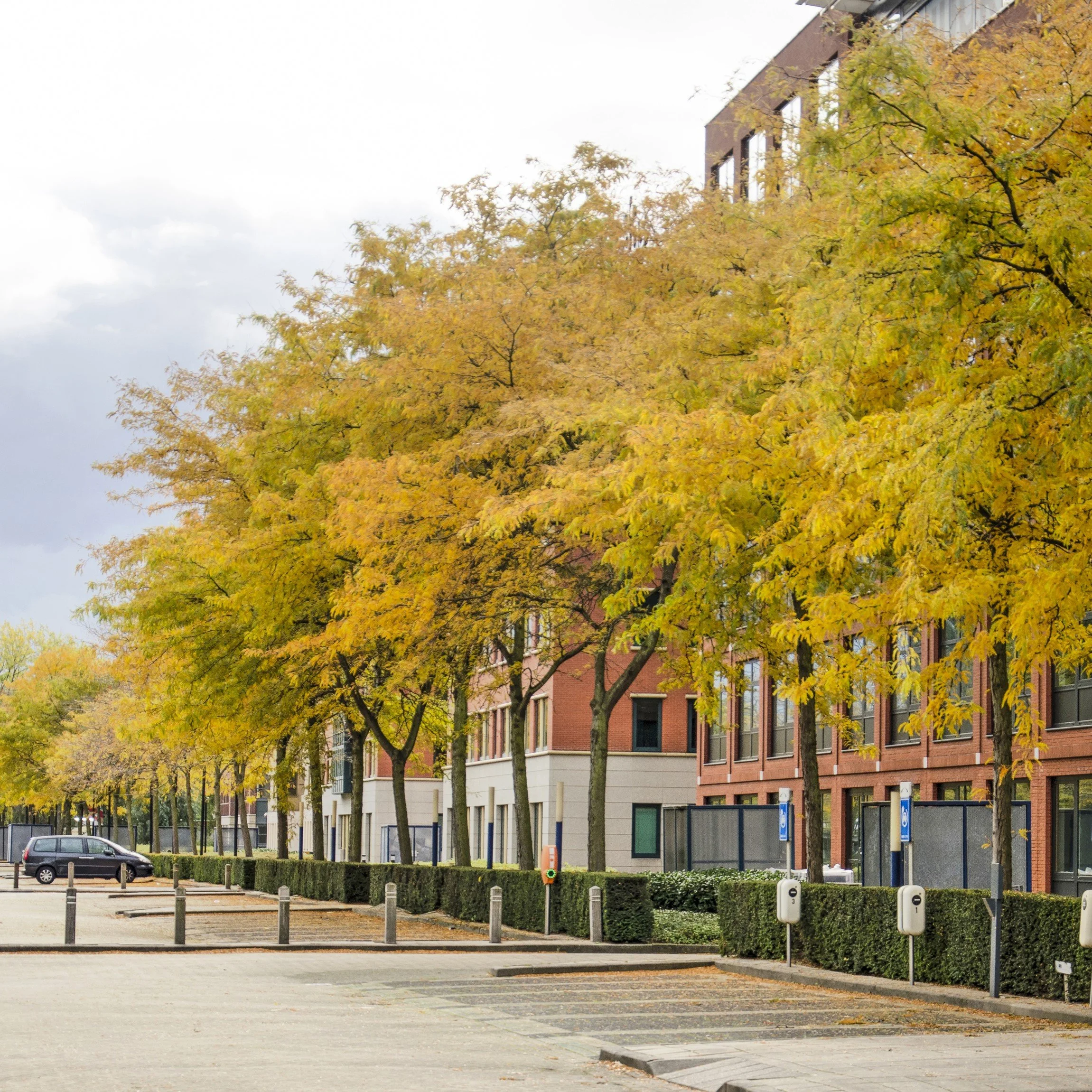 Image 1 of 7
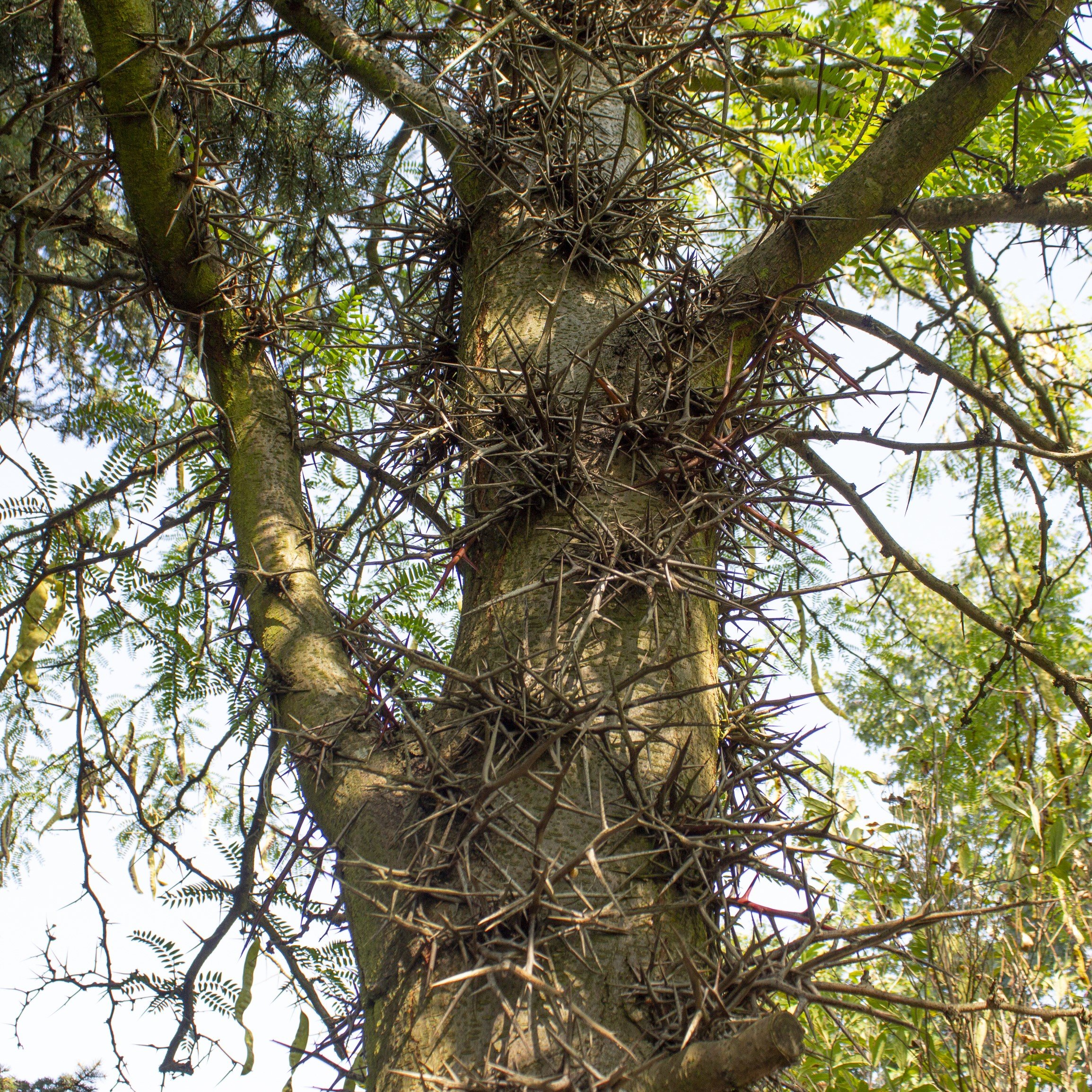 Image 2 of 7
 Image 3 of 7
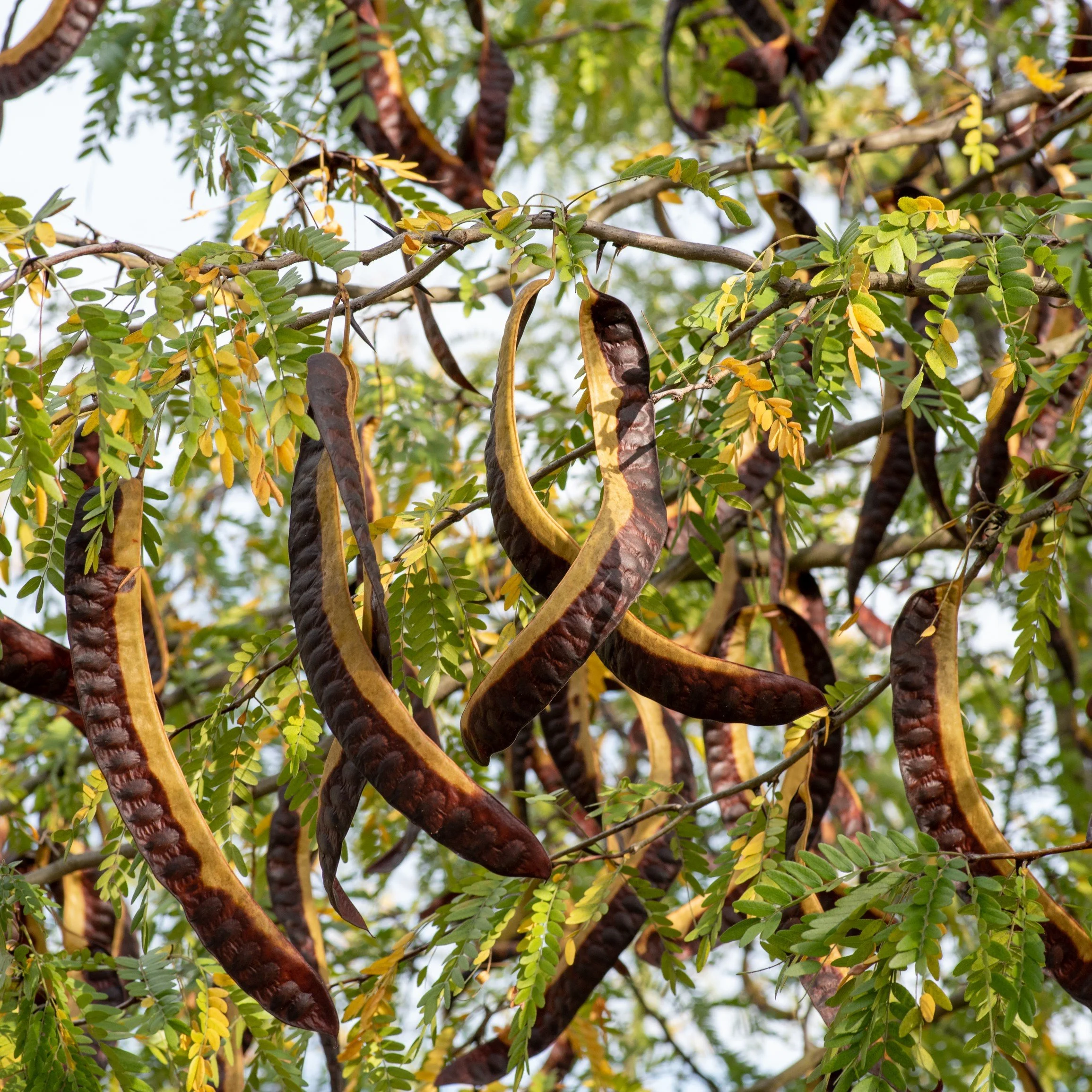 Image 4 of 7
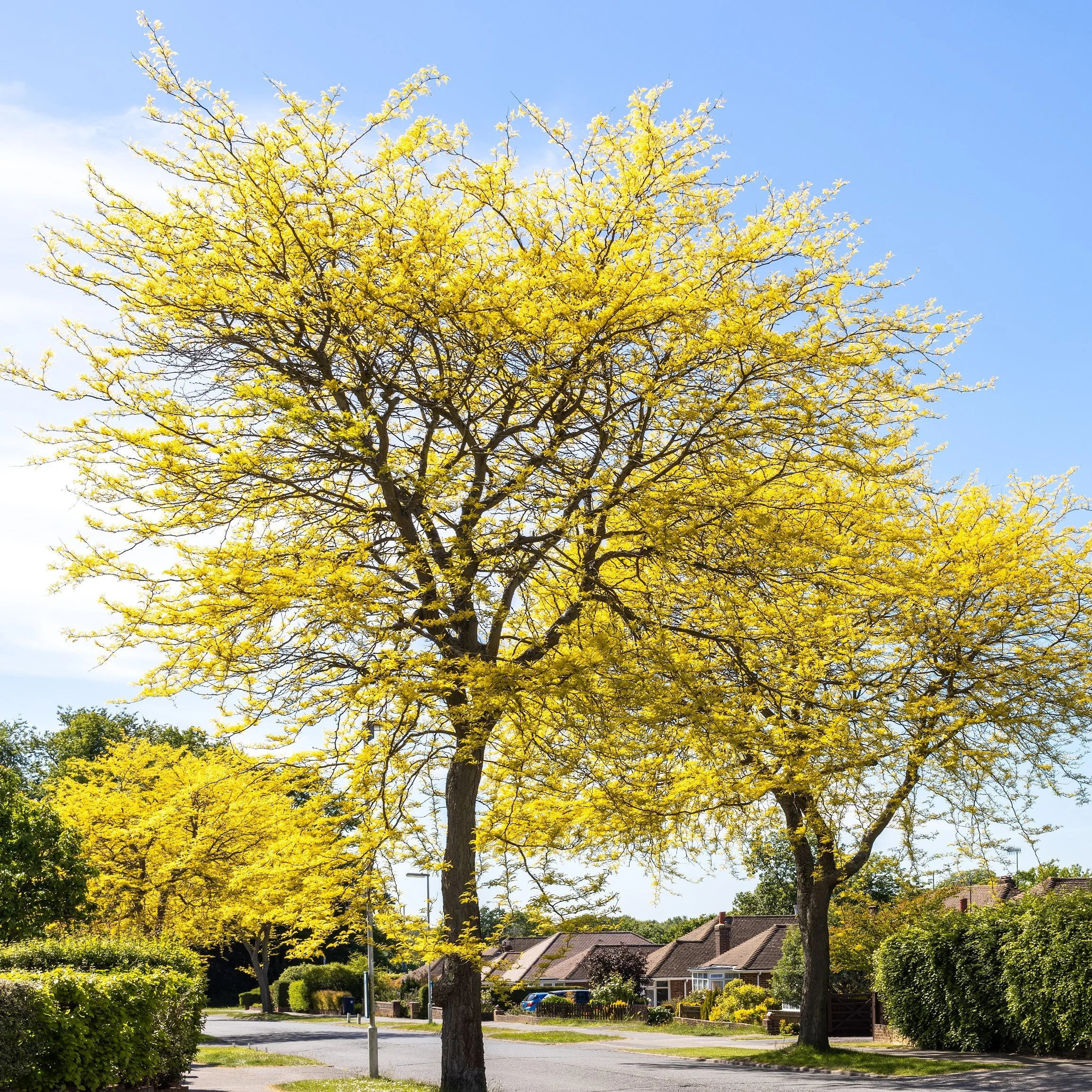 Image 5 of 7
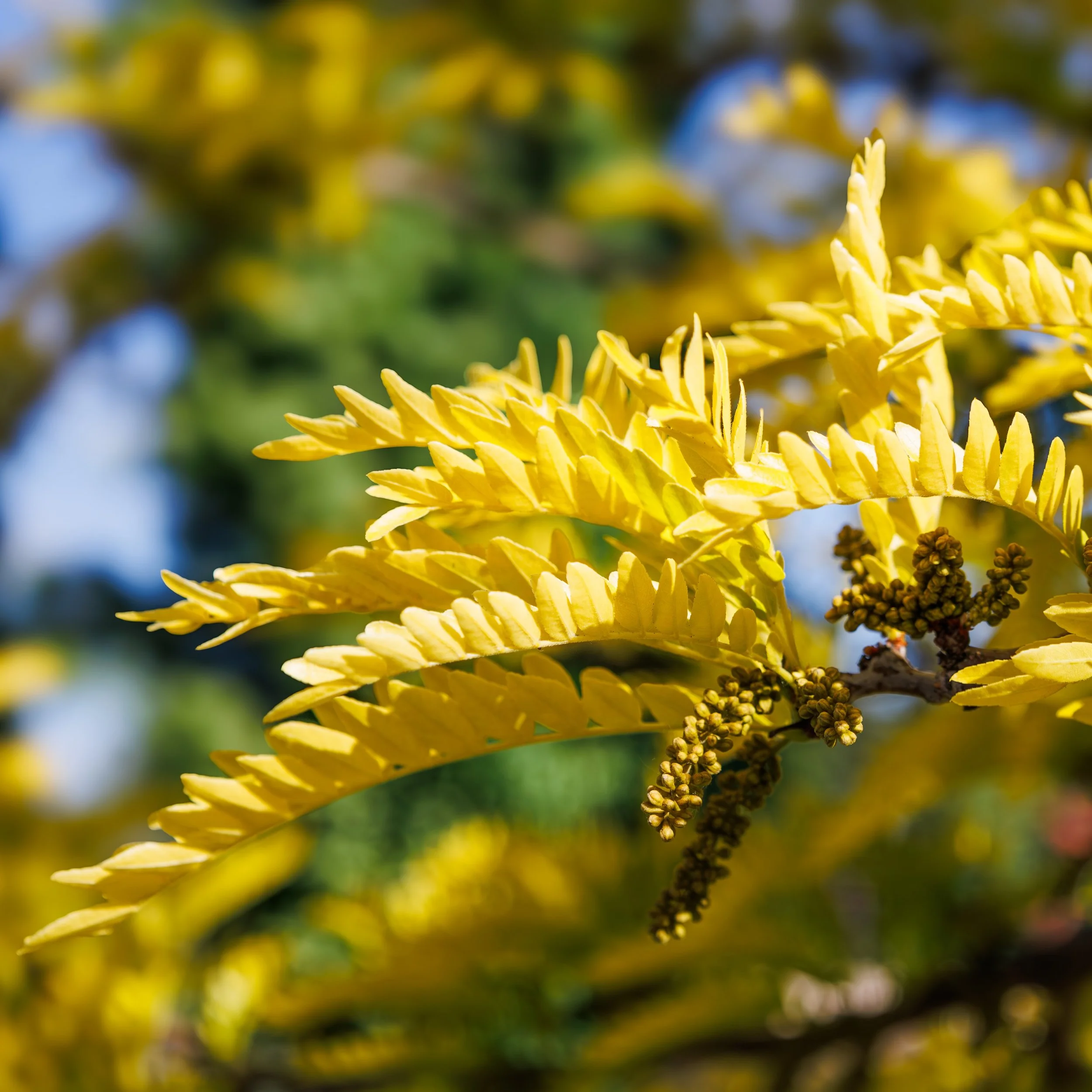 Image 6 of 7
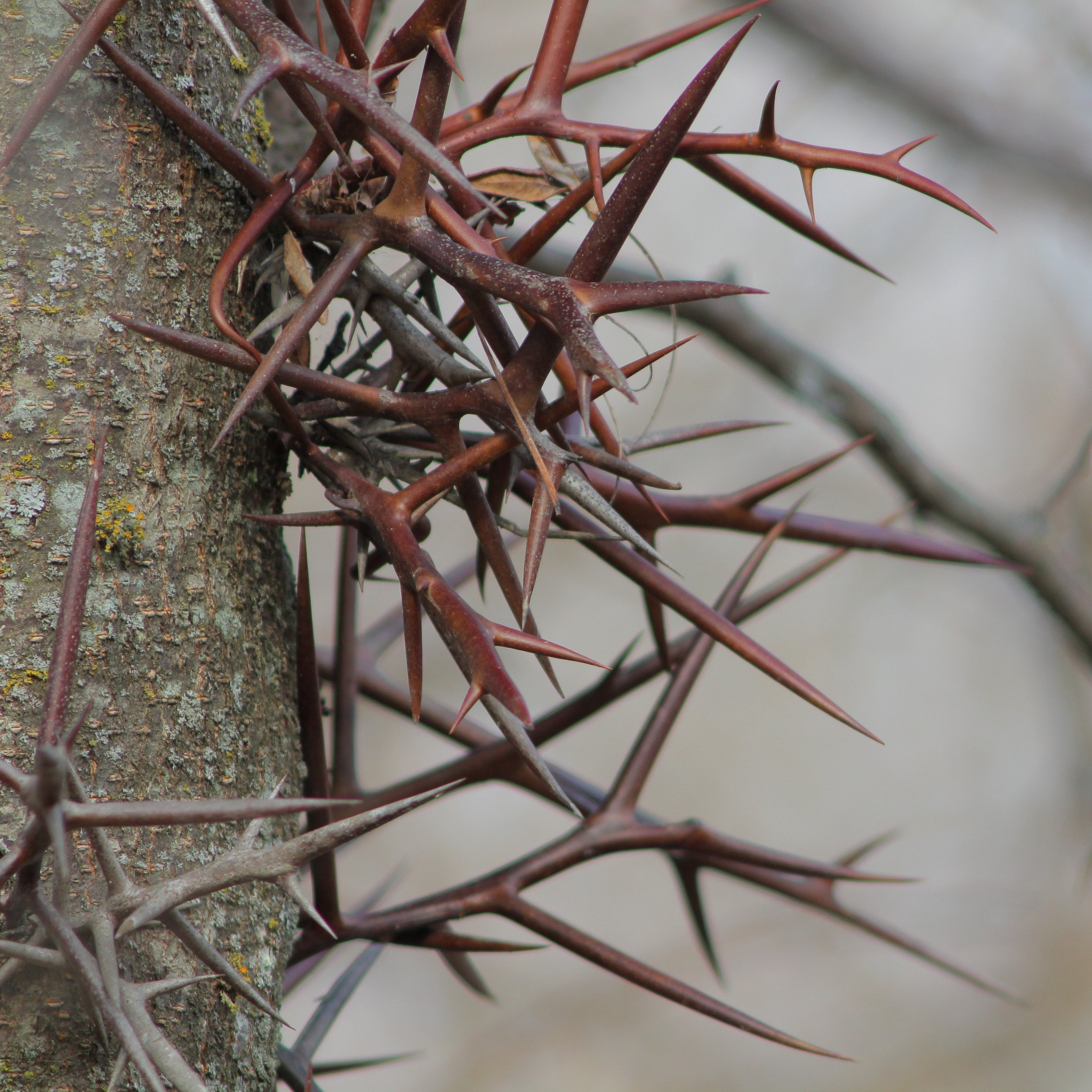 Image 7 of 7