
 Image 1 of 4
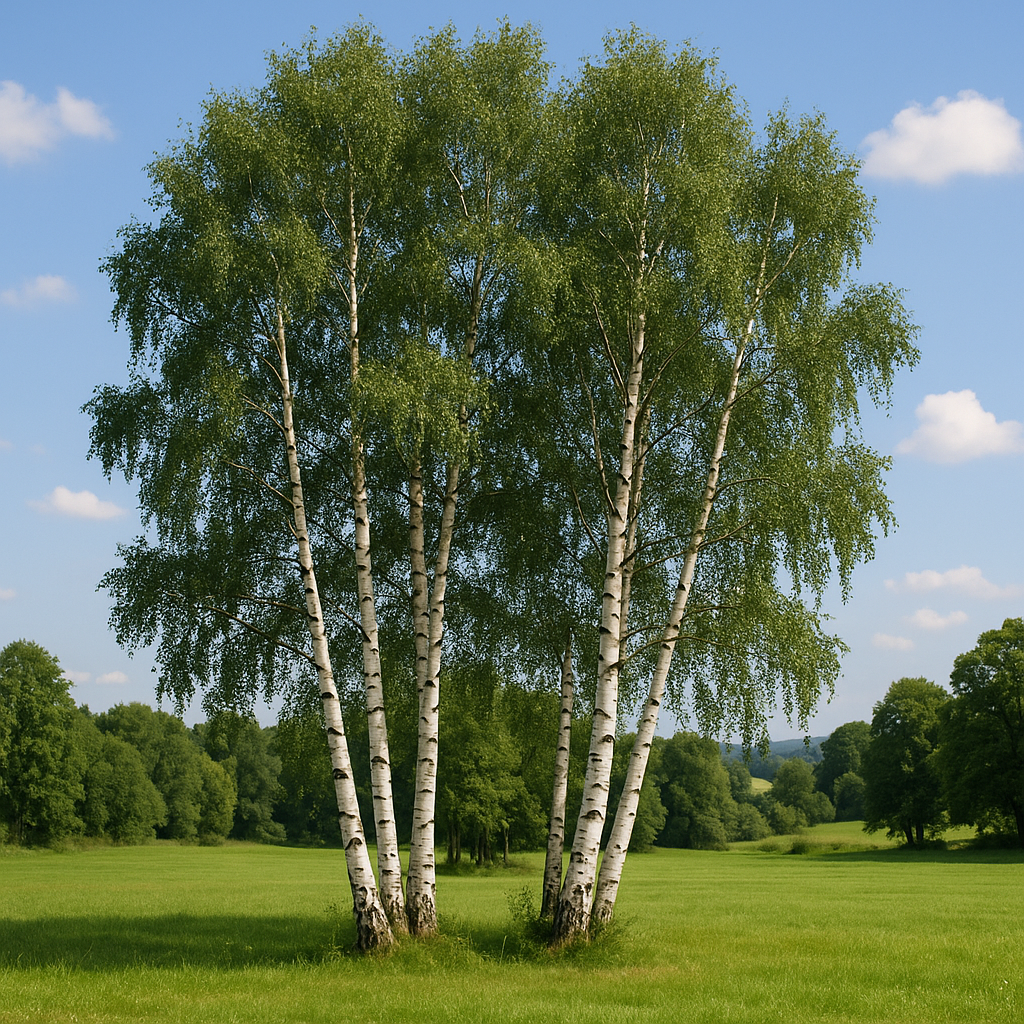 Image 2 of 4
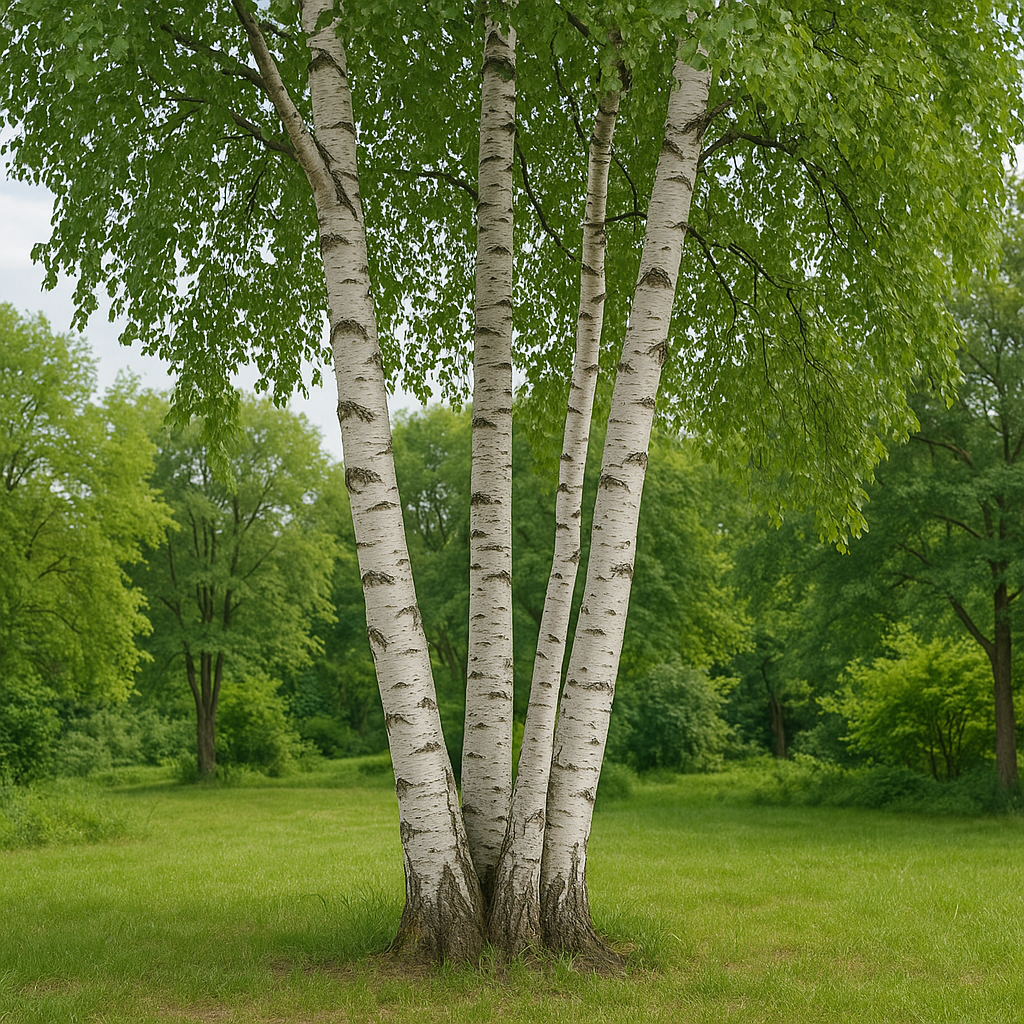 Image 3 of 4
 Image 4 of 4
Betula pendula
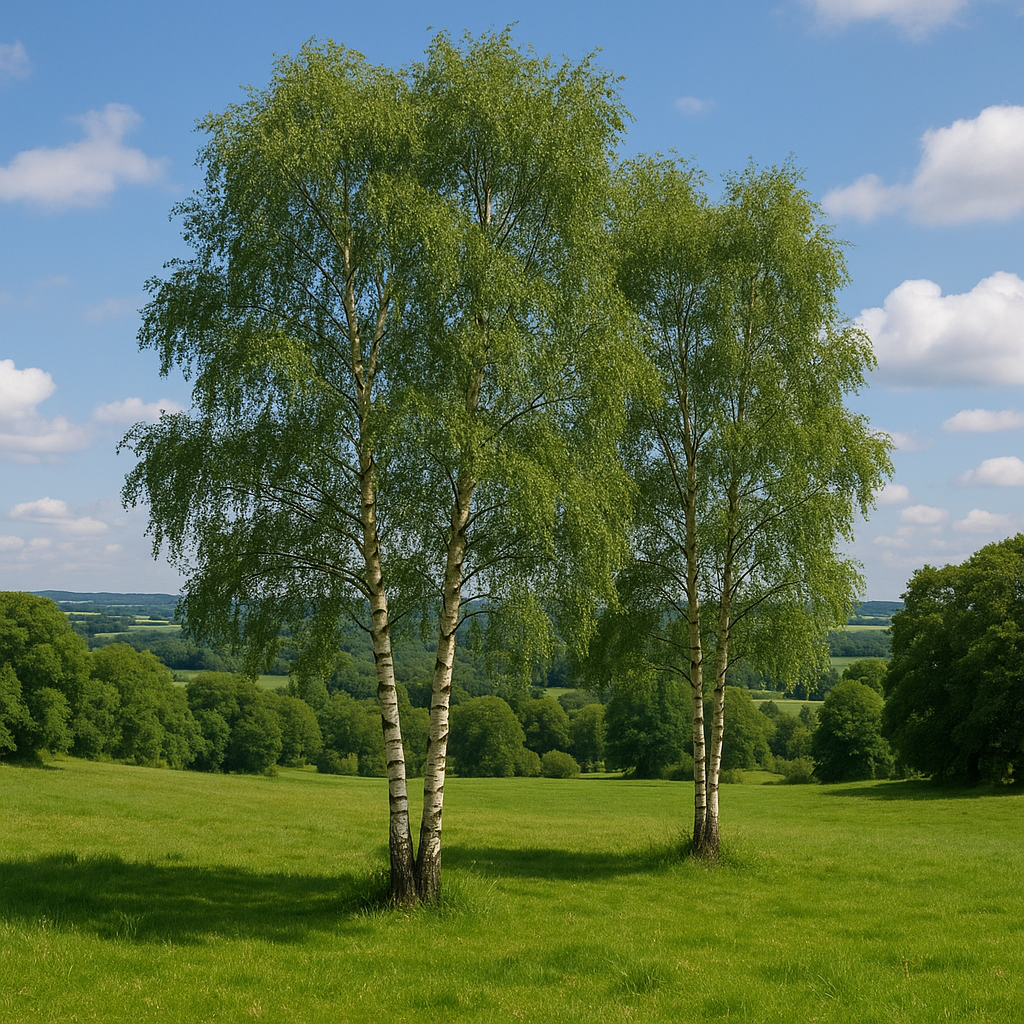
The European White Weeping Birch Tree is a graceful, ornamental deciduous tree admired for its bright white bark, delicate foliage, and weeping form. Known for its elegant silhouette and year-round contrast, this birch variety adds lightness, movement, and visual texture to both formal and naturalistic landscapes.
Its narrow canopy, fast growth, and cold tolerance make it ideal for accent plantings, woodland borders, and foundation groupings where showy bark and seasonal beauty are in high demand.
| Attribute | Details |
|---|---|
| 🌿 Botanical Name | Betula pendula |
| 🏷️ Common Names | European White Birch, Silver Birch |
| 🌳 Mature Height | 30–50 feet |
| 🌐 Mature Width | 15–30 feet |
| 📈 Growth Rate | Fast (2–3 feet per year) |
| ⏳ Lifespan | 40–60 years |
| 🧊 USDA Zones | 2–7 |
| ☀️ Sun Preference | Full sun to partial shade (brightest bark in full sun) |
| 🧱 Soil Type | Well-drained loam, sandy, or rocky soils |
| ⚖️ Soil pH | Slightly acidic to neutral (5.5–7.0) |
| 💧 Water Needs | Moderate; prefers moist, cool soils |
| 🍃 Foliage Color | Bright green in summer; golden yellow in fall |
| 🌿 Growth Habit | Upright with arching or weeping branches |
| ↔️ Spacing | 20–30 ft for ornamental effect or grouped planting |
| 🏡 Landscape Uses | Accent tree, woodland borders, grouped groves, cottage gardens |
| 🧹 Maintenance | Moderate |
🌿 Adds visual interest and movement with light foliage and weeping form
🐝 Supports pollinators and native insects with early-season catkins
🌳 Provides cool shade and improves urban biodiversity
🪵 Offers textural contrast in multi-season planting designs
| ✅ Pros | ⚠️ Cons |
|---|---|
| ⚪ Striking white bark adds winter and year-round contrast | 💧 Sensitive to prolonged drought and heat |
| 🌳 Fast-growing with a graceful canopy | 🐛 Prone to birch borer and aphids in warmer zones |
| 🍁 Attractive yellow fall foliage | ✂️ May require pruning to remove dead or crossed limbs |
| 🌞 Perfect for cooler regions and northern gardens | 🌱 Shorter lifespan in hot or poorly drained conditions |
| 🏡 Excellent as a specimen or in natural groupings | ❄️ Best suited for northern climates; avoid high heat stress areas |
🛁 Water thoroughly after planting; maintain evenly moist soil during establishment
🕳️ Dig a wide, shallow hole; plant at the same depth as nursery level
🌾 Mulch 2–3 inches around the base, avoiding direct contact with trunk
💦 Water regularly during dry periods, especially in hot summer months
✂️ Prune in late fall or winter to remove deadwood and improve air circulation
🧪 Fertilize in early spring with a slow-release tree food or compost
The European White Birch Tree brings elegant movement, luminous bark, and graceful texture to any landscape. Whether used as a specimen tree, grouped planting, or woodland accent, its timeless charm and airy presence make it a favorite for designers and gardeners alike.
Betula pendula
The European White Weeping Birch Tree is a graceful, ornamental deciduous tree admired for its bright white bark, delicate foliage, and weeping form. Known for its elegant silhouette and year-round contrast, this birch variety adds lightness, movement, and visual texture to both formal and naturalistic landscapes.
Its narrow canopy, fast growth, and cold tolerance make it ideal for accent plantings, woodland borders, and foundation groupings where showy bark and seasonal beauty are in high demand.
| Attribute | Details |
|---|---|
| 🌿 Botanical Name | Betula pendula |
| 🏷️ Common Names | European White Birch, Silver Birch |
| 🌳 Mature Height | 30–50 feet |
| 🌐 Mature Width | 15–30 feet |
| 📈 Growth Rate | Fast (2–3 feet per year) |
| ⏳ Lifespan | 40–60 years |
| 🧊 USDA Zones | 2–7 |
| ☀️ Sun Preference | Full sun to partial shade (brightest bark in full sun) |
| 🧱 Soil Type | Well-drained loam, sandy, or rocky soils |
| ⚖️ Soil pH | Slightly acidic to neutral (5.5–7.0) |
| 💧 Water Needs | Moderate; prefers moist, cool soils |
| 🍃 Foliage Color | Bright green in summer; golden yellow in fall |
| 🌿 Growth Habit | Upright with arching or weeping branches |
| ↔️ Spacing | 20–30 ft for ornamental effect or grouped planting |
| 🏡 Landscape Uses | Accent tree, woodland borders, grouped groves, cottage gardens |
| 🧹 Maintenance | Moderate |
🌿 Adds visual interest and movement with light foliage and weeping form
🐝 Supports pollinators and native insects with early-season catkins
🌳 Provides cool shade and improves urban biodiversity
🪵 Offers textural contrast in multi-season planting designs
| ✅ Pros | ⚠️ Cons |
|---|---|
| ⚪ Striking white bark adds winter and year-round contrast | 💧 Sensitive to prolonged drought and heat |
| 🌳 Fast-growing with a graceful canopy | 🐛 Prone to birch borer and aphids in warmer zones |
| 🍁 Attractive yellow fall foliage | ✂️ May require pruning to remove dead or crossed limbs |
| 🌞 Perfect for cooler regions and northern gardens | 🌱 Shorter lifespan in hot or poorly drained conditions |
| 🏡 Excellent as a specimen or in natural groupings | ❄️ Best suited for northern climates; avoid high heat stress areas |
🛁 Water thoroughly after planting; maintain evenly moist soil during establishment
🕳️ Dig a wide, shallow hole; plant at the same depth as nursery level
🌾 Mulch 2–3 inches around the base, avoiding direct contact with trunk
💦 Water regularly during dry periods, especially in hot summer months
✂️ Prune in late fall or winter to remove deadwood and improve air circulation
🧪 Fertilize in early spring with a slow-release tree food or compost
The European White Birch Tree brings elegant movement, luminous bark, and graceful texture to any landscape. Whether used as a specimen tree, grouped planting, or woodland accent, its timeless charm and airy presence make it a favorite for designers and gardeners alike.