
 Image 1 of 4
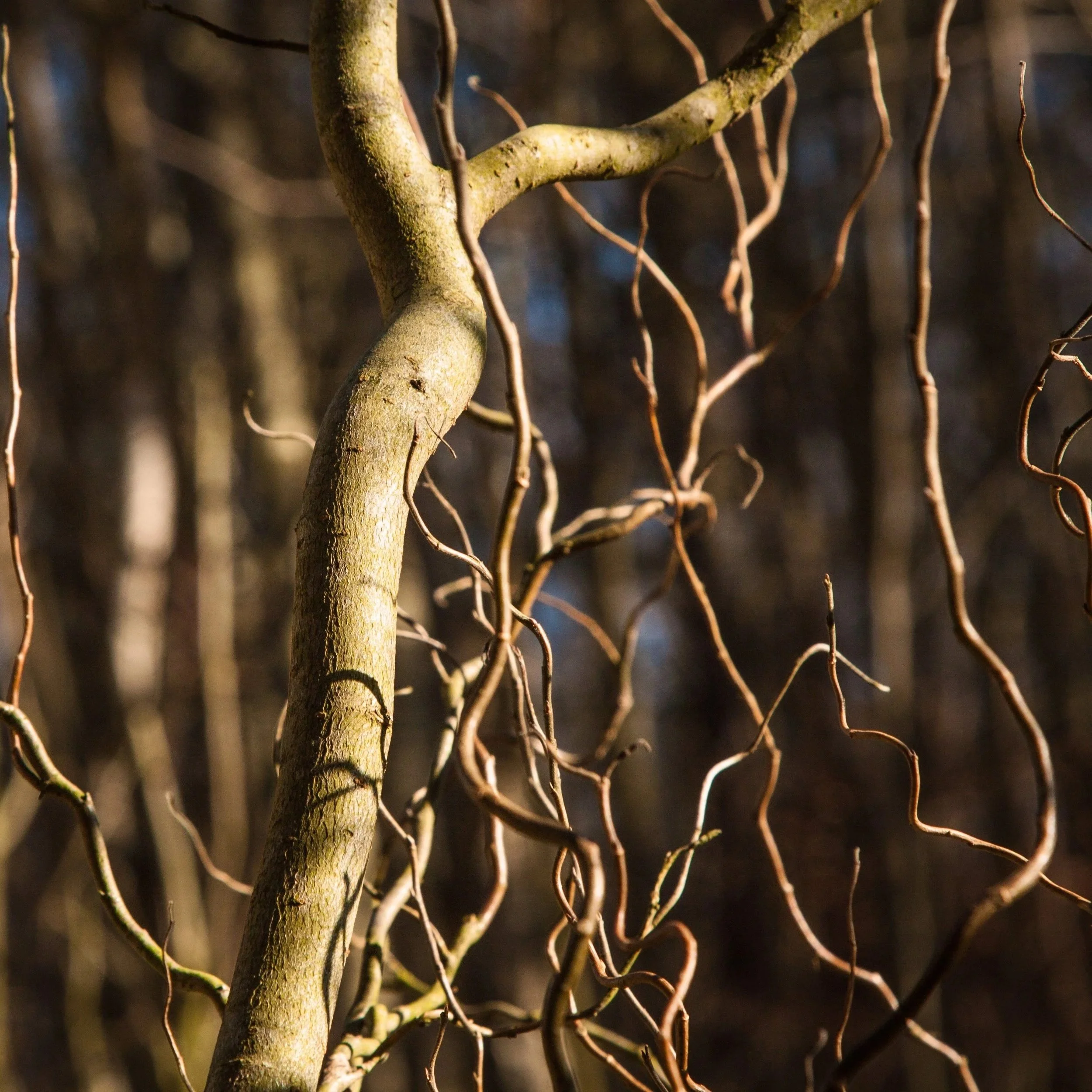 Image 2 of 4
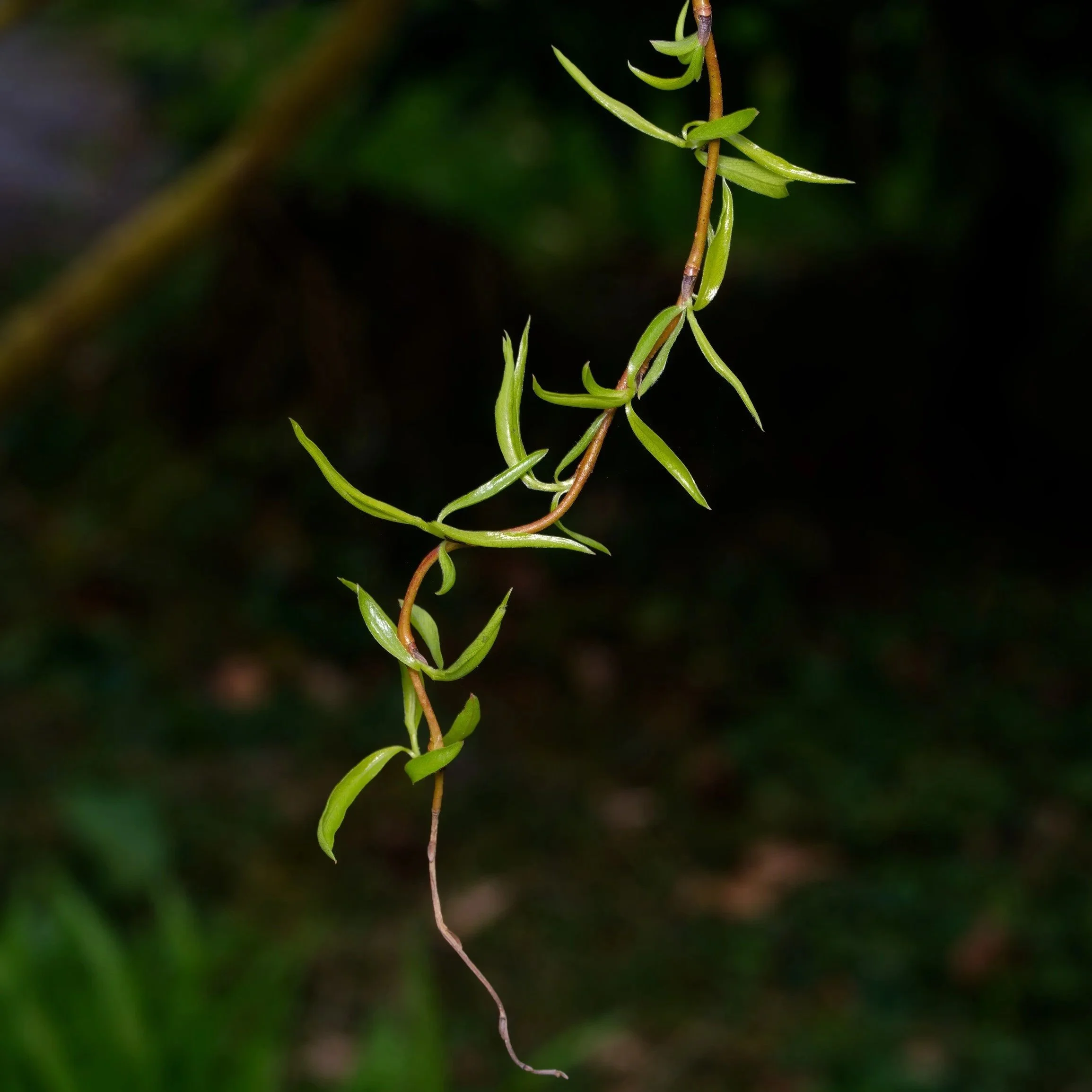 Image 3 of 4
 Image 4 of 4
Salix matsudana 'tortuosa'
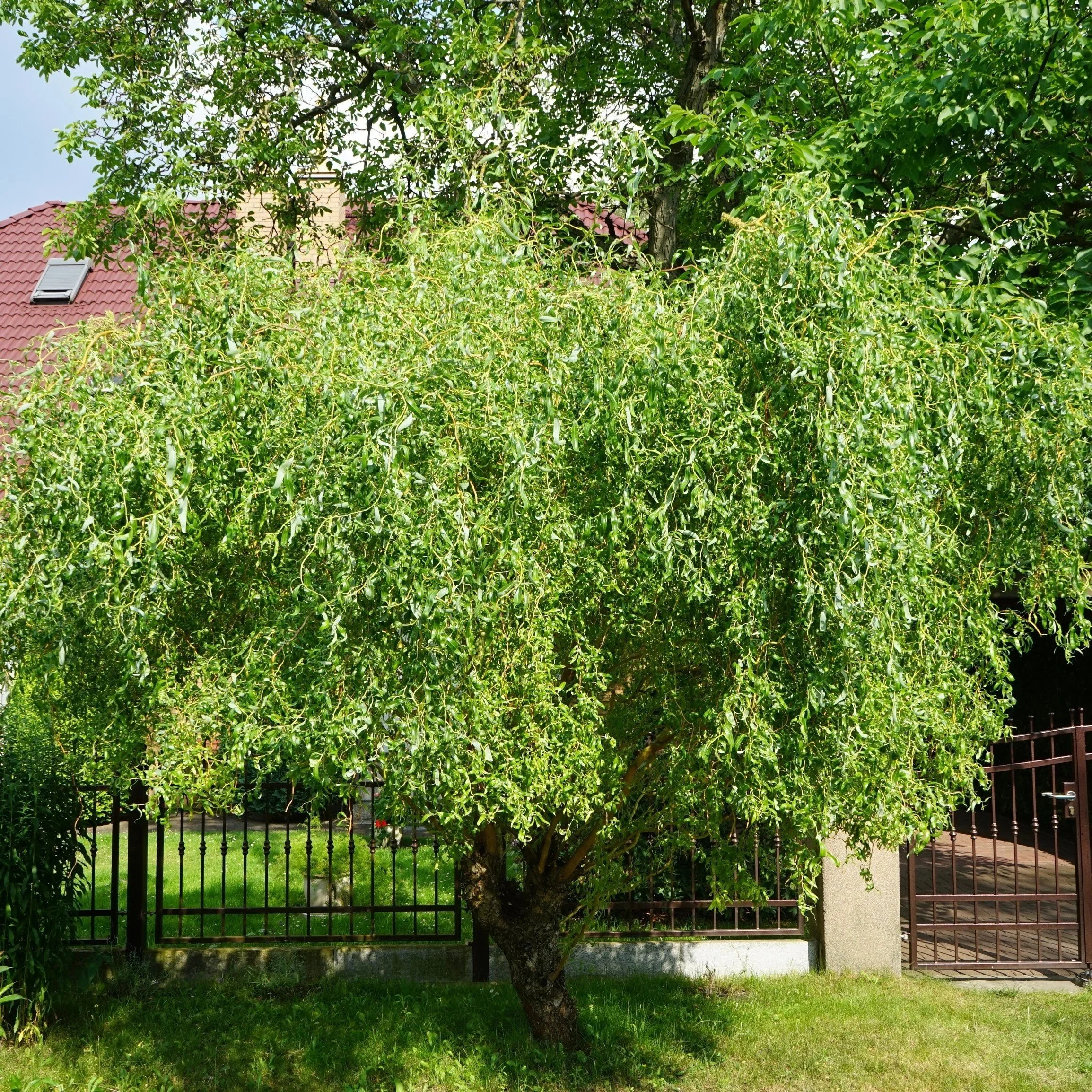
The Corkscrew Willow Tree (Bare Root) is a fast-growing, uniquely shaped tree, known for its twisting, contorted branches and narrow, elegant leaves. This eye-catching ornamental tree adds dramatic winter interest and is a perfect focal point for gardens, water features, and landscapes. With its rapid growth, adaptability, and stunning aesthetic, the Corkscrew Willow is an excellent choice for shade, erosion control, and artistic landscaping.
AttributeDetailsVarietyRootedBotanical NameSalix matsudana 'Tortuosa'Common NamesCorkscrew Willow, Curly Willow, Dragon's Claw WillowMature Height20-40 feetMature Width15-30 feetGrowth RateFast (3-5 feet per year)Lifespan30-50 yearsUSDA Hardiness Zones4-8Sun PreferenceFull sun to partial shadeSoil TypeWell-drained, loamy, sandy, or moist soilsSoil pHSlightly acidic to neutral (5.5-7.5)Water NeedsModerate to high; prefers moist soils but tolerates some droughtFall FoliageYellow-goldenWildlife AttractionBirds, pollinators, and small mammalsGrowth HabitUpright, spreading, contorted branchesSelf-Pollinating?YesLandscape UsesSpecimen tree, shade tree, erosion control, near water featuresMaintenance LevelModerate
🌳 Erosion Control & Water Filtration – Ideal for riverbanks, pond edges, and wetlands, helping stabilize soil and reduce runoff.
🐝 Wildlife Habitat & Pollinator-Friendly – Provides nesting sites for birds and attracts pollinators with springtime blooms.
🌍 Fast-Growing & Carbon Absorbing – Absorbs carbon dioxide quickly, making it an eco-friendly choice for urban and rural areas.
🍂 Seasonal Beauty & Artistic Appeal – Offers lush green foliage in summer, golden fall color, and striking twisted branches in winter.
ProsConsUnique, twisted branches add visual interest year-roundHas a shorter lifespan than many other treesFast-growing, providing quick shade and beautyCan be susceptible to pests like aphids and willow borersAdaptable to various soil types, including wet areasRoots can be aggressive and may interfere with underground utilities if planted too close to structuresLow-maintenance once establishedRequires regular pruning to maintain shape and remove weak branchesTolerates occasional drought and wet conditionsBrittle branches can break easily in strong winds or storms
Spacing: Plant 15-30 feet apart for full canopy development
Soaking: Soak bare root in water for 6-12 hours before planting
Planting Depth: Dig a hole twice the width of the root system, ensuring roots are level with the soil surface
Mulching: Apply a 2-3 inch layer of mulch to retain moisture and suppress weeds
Pruning: Prune in late winter or early spring to shape the tree and remove weak branches
Fertilization: Apply a balanced fertilizer in early spring to promote strong growth
Watering: Keep soil moist, especially in the first few years; once established, it is more drought-tolerant
The Corkscrew Willow Tree is a stunning, fast-growing tree that adds year-round visual appeal, ecological benefits, and artistic beauty to any landscape. Whether used as a specimen tree, erosion controller, or near water features, this low-maintenance yet eye-catching tree makes a memorable addition to any outdoor space.
Salix matsudana 'tortuosa'
The Corkscrew Willow Tree (Bare Root) is a fast-growing, uniquely shaped tree, known for its twisting, contorted branches and narrow, elegant leaves. This eye-catching ornamental tree adds dramatic winter interest and is a perfect focal point for gardens, water features, and landscapes. With its rapid growth, adaptability, and stunning aesthetic, the Corkscrew Willow is an excellent choice for shade, erosion control, and artistic landscaping.
AttributeDetailsVarietyRootedBotanical NameSalix matsudana 'Tortuosa'Common NamesCorkscrew Willow, Curly Willow, Dragon's Claw WillowMature Height20-40 feetMature Width15-30 feetGrowth RateFast (3-5 feet per year)Lifespan30-50 yearsUSDA Hardiness Zones4-8Sun PreferenceFull sun to partial shadeSoil TypeWell-drained, loamy, sandy, or moist soilsSoil pHSlightly acidic to neutral (5.5-7.5)Water NeedsModerate to high; prefers moist soils but tolerates some droughtFall FoliageYellow-goldenWildlife AttractionBirds, pollinators, and small mammalsGrowth HabitUpright, spreading, contorted branchesSelf-Pollinating?YesLandscape UsesSpecimen tree, shade tree, erosion control, near water featuresMaintenance LevelModerate
🌳 Erosion Control & Water Filtration – Ideal for riverbanks, pond edges, and wetlands, helping stabilize soil and reduce runoff.
🐝 Wildlife Habitat & Pollinator-Friendly – Provides nesting sites for birds and attracts pollinators with springtime blooms.
🌍 Fast-Growing & Carbon Absorbing – Absorbs carbon dioxide quickly, making it an eco-friendly choice for urban and rural areas.
🍂 Seasonal Beauty & Artistic Appeal – Offers lush green foliage in summer, golden fall color, and striking twisted branches in winter.
ProsConsUnique, twisted branches add visual interest year-roundHas a shorter lifespan than many other treesFast-growing, providing quick shade and beautyCan be susceptible to pests like aphids and willow borersAdaptable to various soil types, including wet areasRoots can be aggressive and may interfere with underground utilities if planted too close to structuresLow-maintenance once establishedRequires regular pruning to maintain shape and remove weak branchesTolerates occasional drought and wet conditionsBrittle branches can break easily in strong winds or storms
Spacing: Plant 15-30 feet apart for full canopy development
Soaking: Soak bare root in water for 6-12 hours before planting
Planting Depth: Dig a hole twice the width of the root system, ensuring roots are level with the soil surface
Mulching: Apply a 2-3 inch layer of mulch to retain moisture and suppress weeds
Pruning: Prune in late winter or early spring to shape the tree and remove weak branches
Fertilization: Apply a balanced fertilizer in early spring to promote strong growth
Watering: Keep soil moist, especially in the first few years; once established, it is more drought-tolerant
The Corkscrew Willow Tree is a stunning, fast-growing tree that adds year-round visual appeal, ecological benefits, and artistic beauty to any landscape. Whether used as a specimen tree, erosion controller, or near water features, this low-maintenance yet eye-catching tree makes a memorable addition to any outdoor space.