
 Image 1 of 3
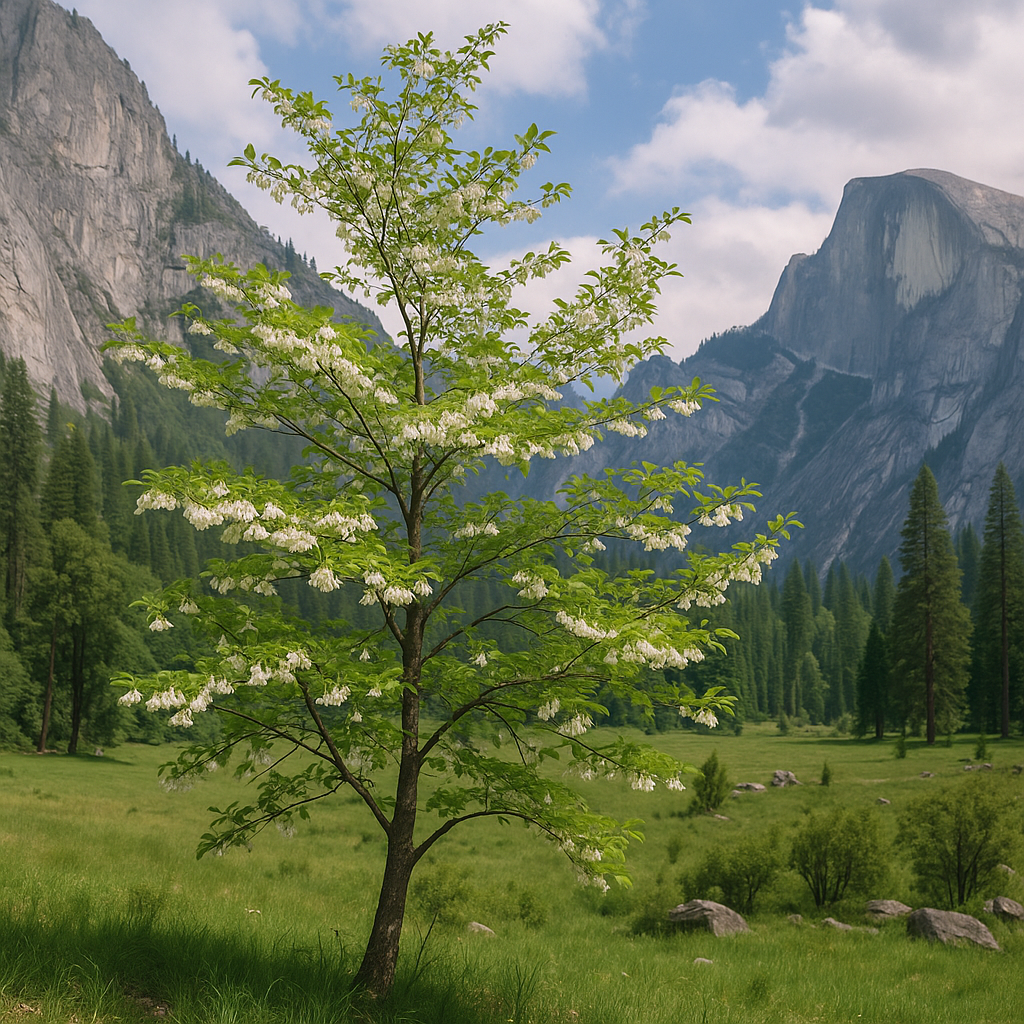 Image 2 of 3
 Image 3 of 3
Halesia carolina
Carolina Silverbell
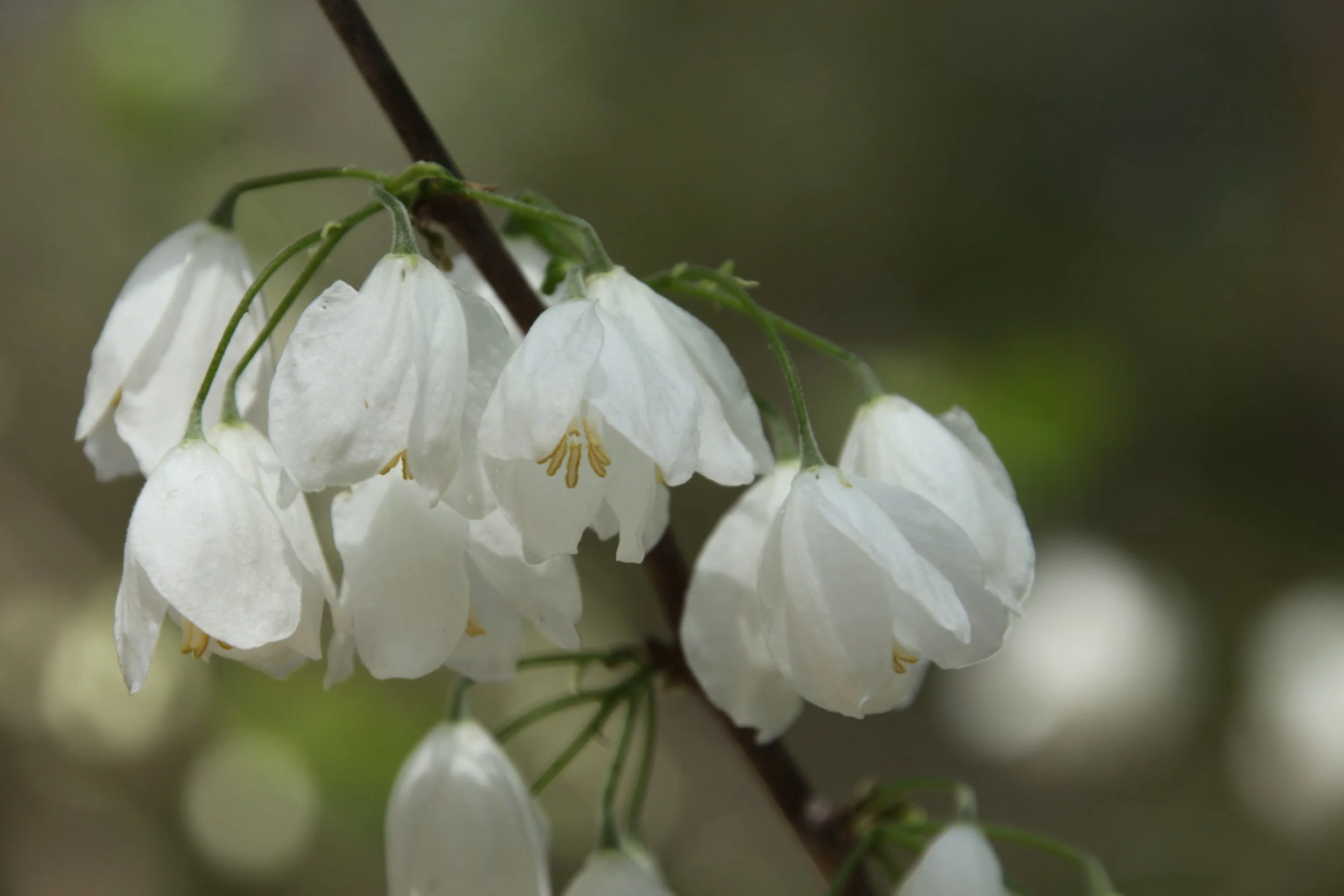
The Carolina Silverbell is a charming native understory tree known for its graceful form and bell-shaped white flowers that dangle like ornaments in mid-spring. With smooth gray bark, lush green leaves, and golden fall color, it offers subtle elegance across all seasons.
Ideal for woodland gardens, shaded borders, and naturalized landscapes, the Carolina Silverbell brings delicate beauty, native heritage, and pollinator value to your yard.
Carolina Silverbell Overview
|
Attribute |
Details |
|
🌿 Botanical Name |
Halesia carolina |
|
🏷️ Common Names |
Carolina Silverbell, Little Silverbell |
|
🌳 Mature Height |
20–35 feet |
|
🌐 Mature Width |
15–25 feet |
|
📈 Growth Rate |
Moderate (12–24 inches per year) |
|
⏳ Lifespan |
50–75+ years |
|
🧊 USDA Zones |
4–8 |
|
❄️ Chill Hours |
500–800 hours |
|
☀️ Sun Preference |
Partial shade to full sun (best flowering in light shade) |
|
🧱 Soil Type |
Moist, well-drained loamy soil |
|
⚖️ Soil pH |
Slightly acidic (5.0–6.5) |
|
💧 Water Needs |
Moderate; prefers consistent moisture |
|
🌸 Flower Color |
White, bell-shaped hanging clusters; mid to late spring |
|
🍒 Fruit Type |
Four-winged dry drupe; ornamental but not edible |
|
🐝 Pollinators |
Attracts bees, especially mason bees and bumblebees |
|
🌿 Growth Habit |
Upright, rounded, multi-trunk or single-stem |
|
↔️ Spacing |
15–25 ft apart for tree form spacing |
|
🏡 Landscape Uses |
Woodland edges, specimen planting, shaded borders |
|
🧹 Maintenance Level |
Low once established |
Environmental Benefits
🌸 Provides early nectar for native pollinators and bees
🌿 Supports woodland biodiversity and ecosystem structure
🍂 Enhances shaded habitats with light, airy foliage
🌧️ Helps filter rainwater and stabilize forest edges
Pros & Cons
|
✅ Pros |
⚠️ Cons |
|
🌸 Elegant bell-shaped flowers for spring interest |
🧪 Requires slightly acidic, well-drained soil |
|
🐝 Excellent early-season pollinator plant |
🔦 Flowers best in partial shade—not full sun areas |
|
🌿 Naturally disease-resistant and long-lived |
💧 May struggle in dry or compacted soils |
|
🧬 Native tree with strong ecological value |
🌳 Can be hard to find in conventional nurseries |
|
🏡 Great for shaded gardens and woodland themes |
✂️ Minimal pruning needed but slow to establish |
Planting & Care Guide
🛁 Soak roots before planting to reduce transplant shock
🕳️ Dig hole twice the root width; plant level with soil line
🌾 Mulch generously to retain moisture and insulate roots
💦 Water deeply during first 2 years and in dry spells
✂️ Prune after flowering to shape or remove damaged limbs
🧪 Use organic compost or acid-loving plant food in spring
The Carolina Silverbell is a graceful woodland gem that enchants with its dangling blossoms and understated charm. Whether nestled under taller trees or showcased as a garden feature, this native beauty delivers seasonal elegance and quiet strength in every setting.
Halesia carolina
Carolina Silverbell
The Carolina Silverbell is a charming native understory tree known for its graceful form and bell-shaped white flowers that dangle like ornaments in mid-spring. With smooth gray bark, lush green leaves, and golden fall color, it offers subtle elegance across all seasons.
Ideal for woodland gardens, shaded borders, and naturalized landscapes, the Carolina Silverbell brings delicate beauty, native heritage, and pollinator value to your yard.
Carolina Silverbell Overview
|
Attribute |
Details |
|
🌿 Botanical Name |
Halesia carolina |
|
🏷️ Common Names |
Carolina Silverbell, Little Silverbell |
|
🌳 Mature Height |
20–35 feet |
|
🌐 Mature Width |
15–25 feet |
|
📈 Growth Rate |
Moderate (12–24 inches per year) |
|
⏳ Lifespan |
50–75+ years |
|
🧊 USDA Zones |
4–8 |
|
❄️ Chill Hours |
500–800 hours |
|
☀️ Sun Preference |
Partial shade to full sun (best flowering in light shade) |
|
🧱 Soil Type |
Moist, well-drained loamy soil |
|
⚖️ Soil pH |
Slightly acidic (5.0–6.5) |
|
💧 Water Needs |
Moderate; prefers consistent moisture |
|
🌸 Flower Color |
White, bell-shaped hanging clusters; mid to late spring |
|
🍒 Fruit Type |
Four-winged dry drupe; ornamental but not edible |
|
🐝 Pollinators |
Attracts bees, especially mason bees and bumblebees |
|
🌿 Growth Habit |
Upright, rounded, multi-trunk or single-stem |
|
↔️ Spacing |
15–25 ft apart for tree form spacing |
|
🏡 Landscape Uses |
Woodland edges, specimen planting, shaded borders |
|
🧹 Maintenance Level |
Low once established |
Environmental Benefits
🌸 Provides early nectar for native pollinators and bees
🌿 Supports woodland biodiversity and ecosystem structure
🍂 Enhances shaded habitats with light, airy foliage
🌧️ Helps filter rainwater and stabilize forest edges
Pros & Cons
|
✅ Pros |
⚠️ Cons |
|
🌸 Elegant bell-shaped flowers for spring interest |
🧪 Requires slightly acidic, well-drained soil |
|
🐝 Excellent early-season pollinator plant |
🔦 Flowers best in partial shade—not full sun areas |
|
🌿 Naturally disease-resistant and long-lived |
💧 May struggle in dry or compacted soils |
|
🧬 Native tree with strong ecological value |
🌳 Can be hard to find in conventional nurseries |
|
🏡 Great for shaded gardens and woodland themes |
✂️ Minimal pruning needed but slow to establish |
Planting & Care Guide
🛁 Soak roots before planting to reduce transplant shock
🕳️ Dig hole twice the root width; plant level with soil line
🌾 Mulch generously to retain moisture and insulate roots
💦 Water deeply during first 2 years and in dry spells
✂️ Prune after flowering to shape or remove damaged limbs
🧪 Use organic compost or acid-loving plant food in spring
The Carolina Silverbell is a graceful woodland gem that enchants with its dangling blossoms and understated charm. Whether nestled under taller trees or showcased as a garden feature, this native beauty delivers seasonal elegance and quiet strength in every setting.