
 Image 1 of 5
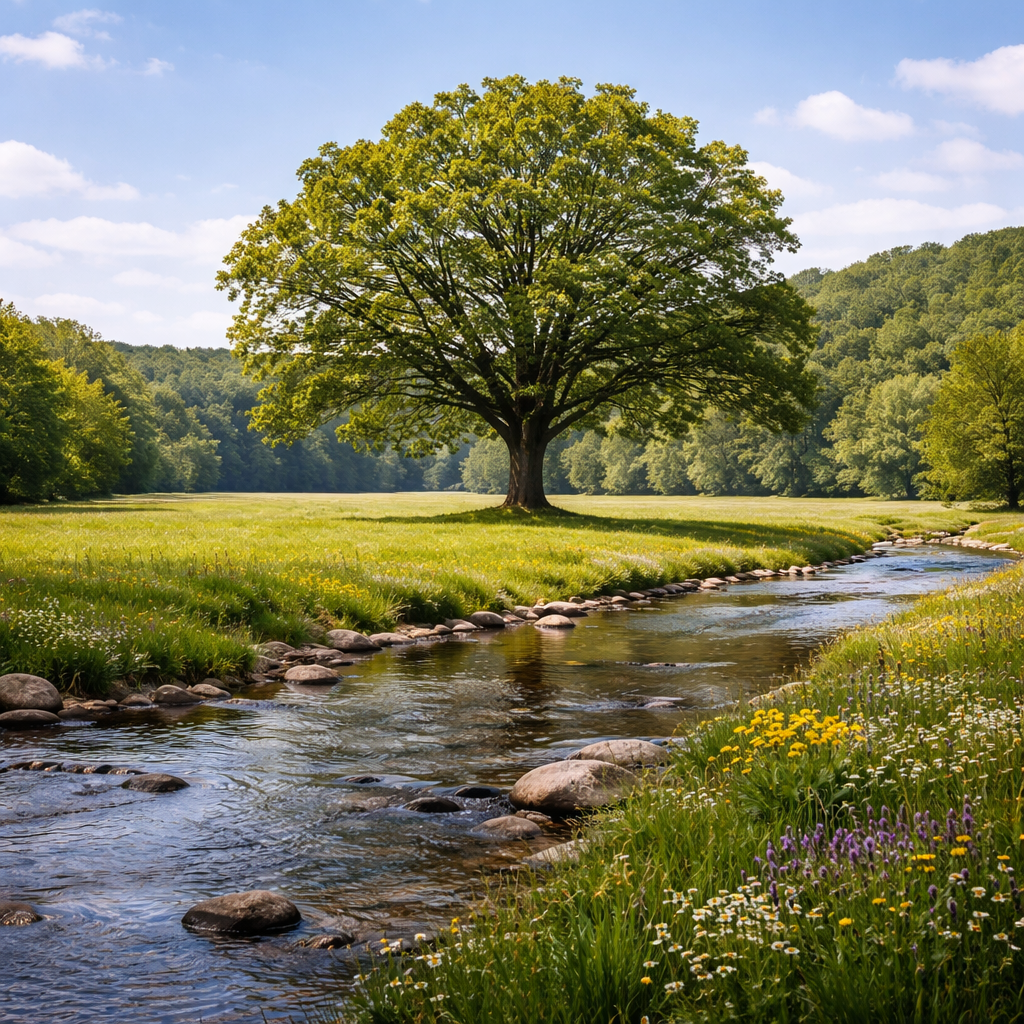 Image 2 of 5
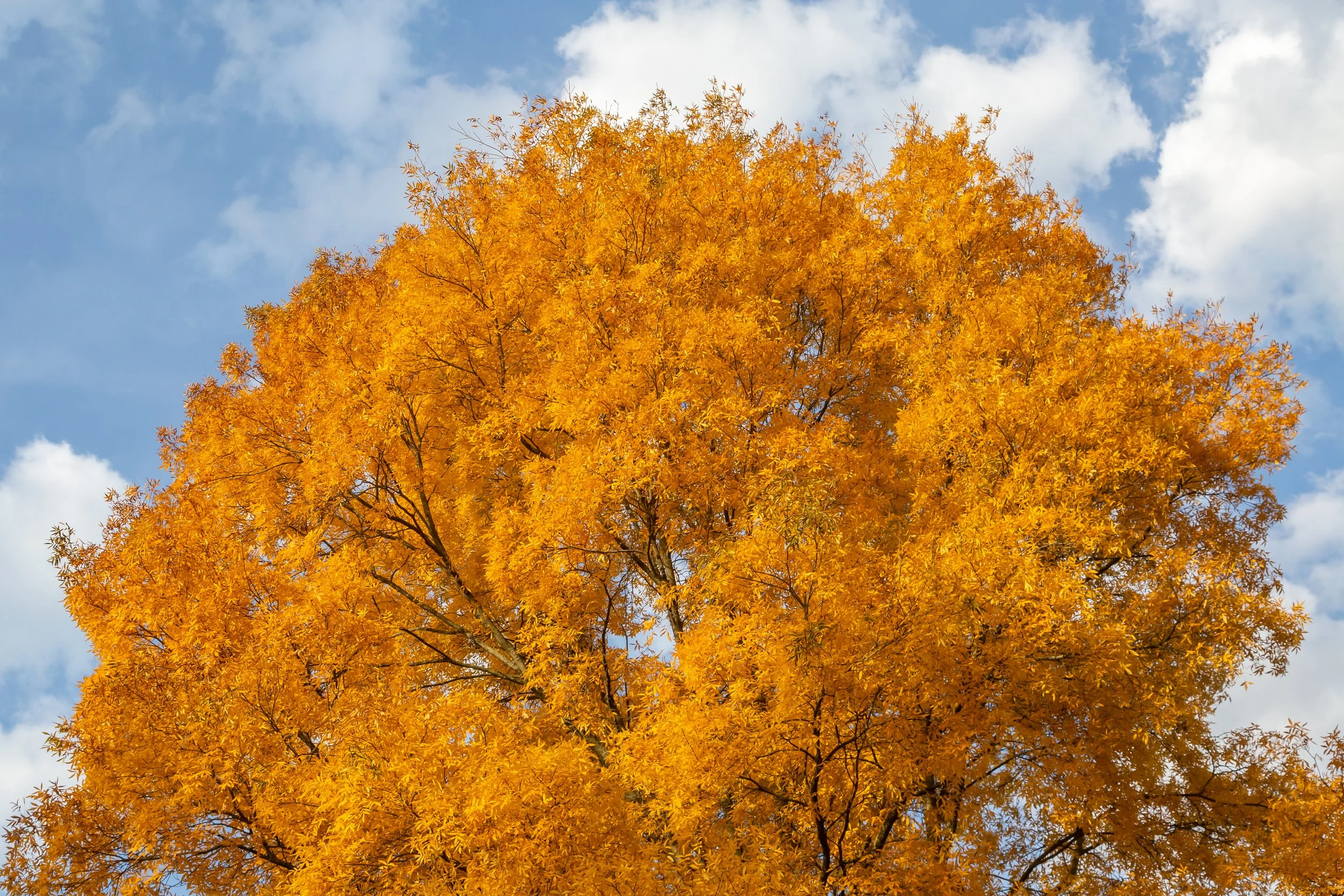 Image 3 of 5
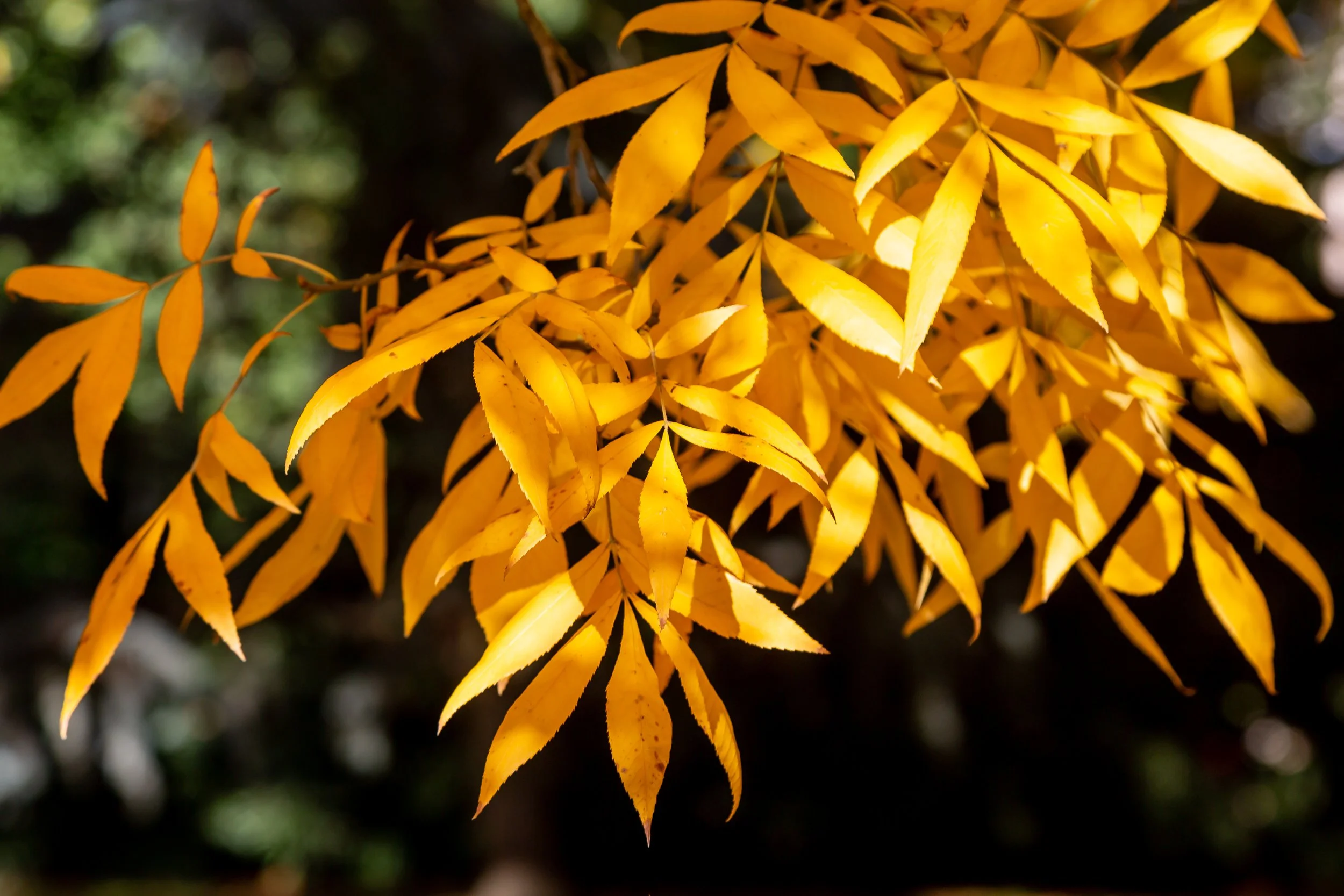 Image 4 of 5
 Image 5 of 5
Carya cordiformis
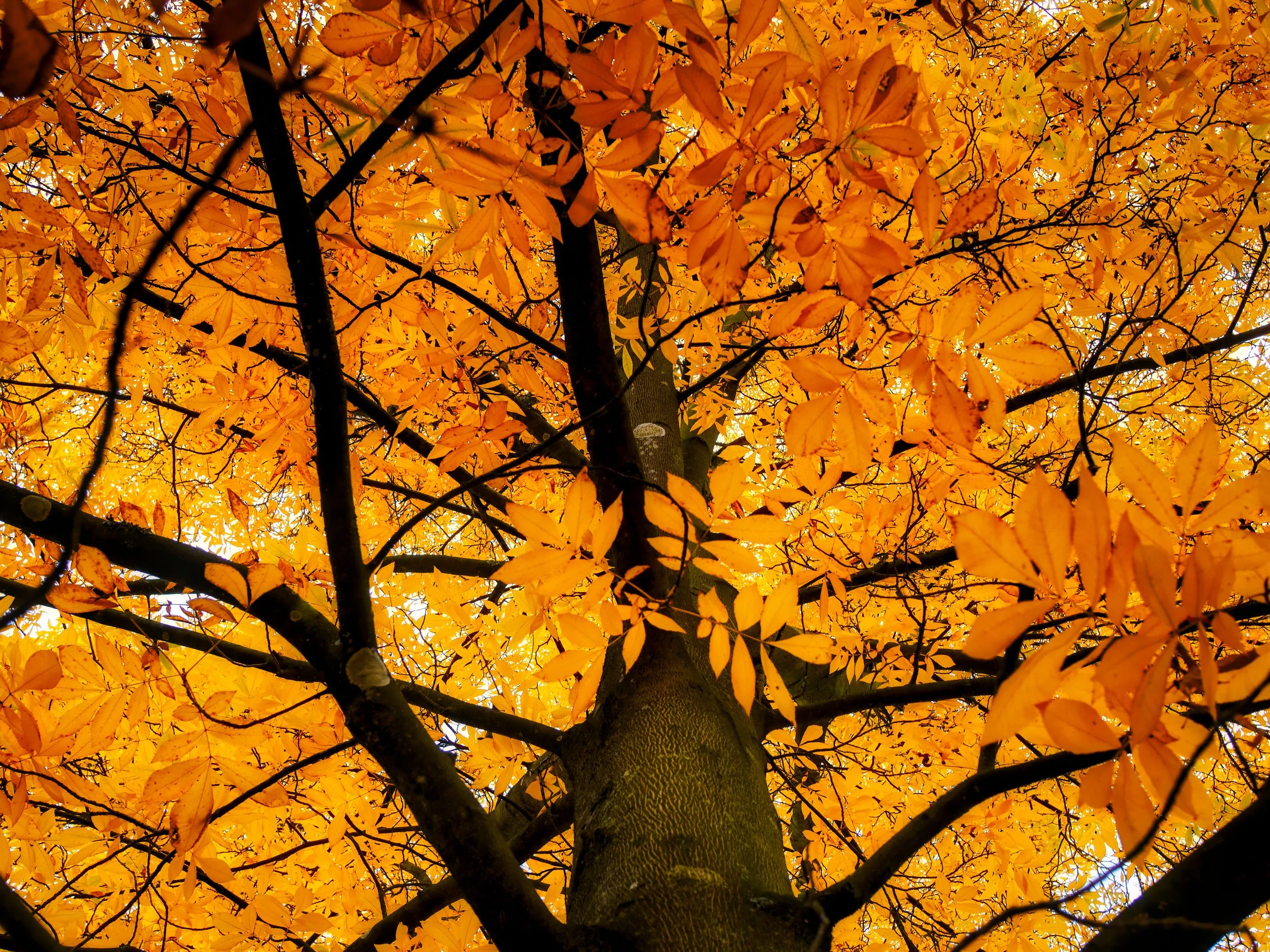
The Bitternut Hickory is a tall, native hardwood tree valued for its adaptability, strong structure, and ecological importance. Recognized by its distinctive sulfur-yellow buds and compound leaves, this hickory thrives in a wide range of soil conditions and develops into a stately shade tree over time. Though its nuts are bitter and not typically consumed by humans, they provide an important food source for wildlife.
Ideal for large properties, restoration projects, and native landscapes, Bitternut Hickory offers long-term strength, shade, and environmental resilience.
AttributeDetails🌿 Botanical NameCarya cordiformis🏷️ Common NamesBitternut Hickory🌳 Mature Height50–80 feet🌐 Mature Width35–50 feet📈 Growth RateMedium (12–24 inches per year)⏳ Lifespan100–200+ years🧊 USDA Zones4–9❄️ Chill Hours800–1,200 hours☀️ Sun PreferenceFull sun🧱 Soil TypeMoist, well-drained soils; tolerates clay and occasional wet sites⚖️ Soil pHSlightly acidic to neutral (5.5–7.5)💧 Water NeedsModerate; tolerates periodic flooding🌸 Flower ColorInconspicuous yellow-green catkins; spring🍒 Fruit TypeSmall, thin-shelled nuts; bitter, wildlife food🐝 PollinatorsWind-pollinated; supports insect life indirectly🌿 Growth HabitUpright, oval to rounded canopy↔️ Spacing30–50 ft apart🏡 Landscape UsesShade tree, native reforestation, large landscapes🧹 Maintenance LevelLow
🌳 Provides dense canopy shade that cools landscapes and reduces heat buildup
🐿️ Produces nuts that feed squirrels, deer, and other wildlife
🌱 Supports native ecosystems and long-term forest health
🌧️ Tolerates wet soils, helping stabilize low-lying or flood-prone areas
✅ Pros⚠️ Cons🌳 Strong, long-lived native shade tree🍂 Very large size not suited for small yards🌱 Highly adaptable to different soil types🐿️ Nuts are bitter and not useful for human consumption🌧️ Handles wet conditions better than most hickories🍁 Slow to moderate early growth compared to softwoods🧬 Excellent for restoration and native planting🌰 Nut drop can create cleanup in fall🏡 Low maintenance once established⏳ Takes time to reach full shade potential
🛁 Water thoroughly before and after planting to establish roots
🕳️ Dig a wide planting hole and avoid disturbing the taproot
🌾 Apply mulch to retain moisture and protect young roots
💦 Water regularly during the first few years; becomes resilient over time
✂️ Minimal pruning needed; remove dead or damaged limbs as necessary
🧪 Fertilize lightly only if soil is poor; prefers natural conditions
The Bitternut Hickory is a rugged, long-lived native tree built for resilience and ecological impact. Best suited for larger spaces, it delivers lasting shade, supports wildlife, and stands as a durable investment in the future of your landscape.
Carya cordiformis
The Bitternut Hickory is a tall, native hardwood tree valued for its adaptability, strong structure, and ecological importance. Recognized by its distinctive sulfur-yellow buds and compound leaves, this hickory thrives in a wide range of soil conditions and develops into a stately shade tree over time. Though its nuts are bitter and not typically consumed by humans, they provide an important food source for wildlife.
Ideal for large properties, restoration projects, and native landscapes, Bitternut Hickory offers long-term strength, shade, and environmental resilience.
AttributeDetails🌿 Botanical NameCarya cordiformis🏷️ Common NamesBitternut Hickory🌳 Mature Height50–80 feet🌐 Mature Width35–50 feet📈 Growth RateMedium (12–24 inches per year)⏳ Lifespan100–200+ years🧊 USDA Zones4–9❄️ Chill Hours800–1,200 hours☀️ Sun PreferenceFull sun🧱 Soil TypeMoist, well-drained soils; tolerates clay and occasional wet sites⚖️ Soil pHSlightly acidic to neutral (5.5–7.5)💧 Water NeedsModerate; tolerates periodic flooding🌸 Flower ColorInconspicuous yellow-green catkins; spring🍒 Fruit TypeSmall, thin-shelled nuts; bitter, wildlife food🐝 PollinatorsWind-pollinated; supports insect life indirectly🌿 Growth HabitUpright, oval to rounded canopy↔️ Spacing30–50 ft apart🏡 Landscape UsesShade tree, native reforestation, large landscapes🧹 Maintenance LevelLow
🌳 Provides dense canopy shade that cools landscapes and reduces heat buildup
🐿️ Produces nuts that feed squirrels, deer, and other wildlife
🌱 Supports native ecosystems and long-term forest health
🌧️ Tolerates wet soils, helping stabilize low-lying or flood-prone areas
✅ Pros⚠️ Cons🌳 Strong, long-lived native shade tree🍂 Very large size not suited for small yards🌱 Highly adaptable to different soil types🐿️ Nuts are bitter and not useful for human consumption🌧️ Handles wet conditions better than most hickories🍁 Slow to moderate early growth compared to softwoods🧬 Excellent for restoration and native planting🌰 Nut drop can create cleanup in fall🏡 Low maintenance once established⏳ Takes time to reach full shade potential
🛁 Water thoroughly before and after planting to establish roots
🕳️ Dig a wide planting hole and avoid disturbing the taproot
🌾 Apply mulch to retain moisture and protect young roots
💦 Water regularly during the first few years; becomes resilient over time
✂️ Minimal pruning needed; remove dead or damaged limbs as necessary
🧪 Fertilize lightly only if soil is poor; prefers natural conditions
The Bitternut Hickory is a rugged, long-lived native tree built for resilience and ecological impact. Best suited for larger spaces, it delivers lasting shade, supports wildlife, and stands as a durable investment in the future of your landscape.