
 Image 1 of 4
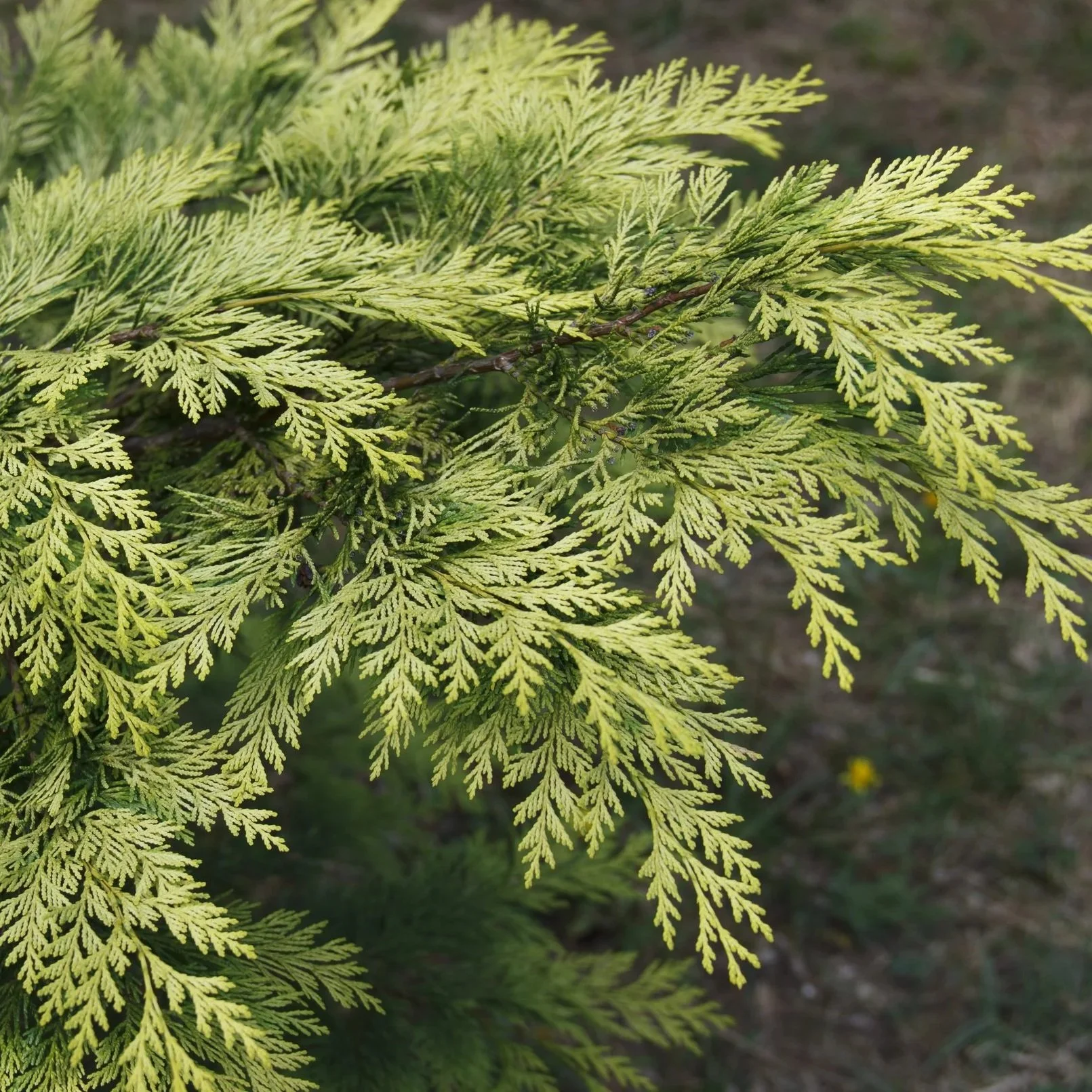 Image 2 of 4
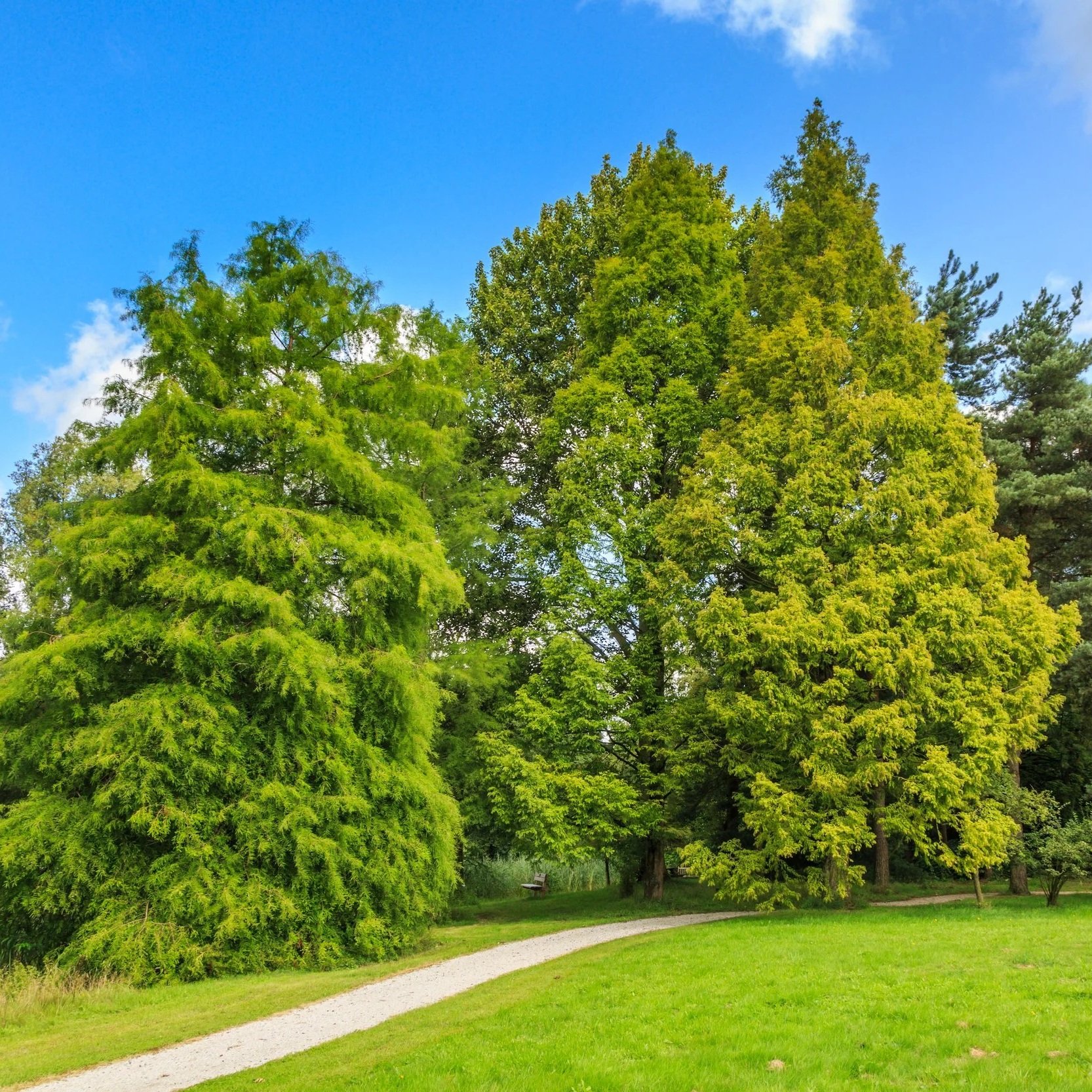 Image 3 of 4
 Image 4 of 4
Taxodium distichum
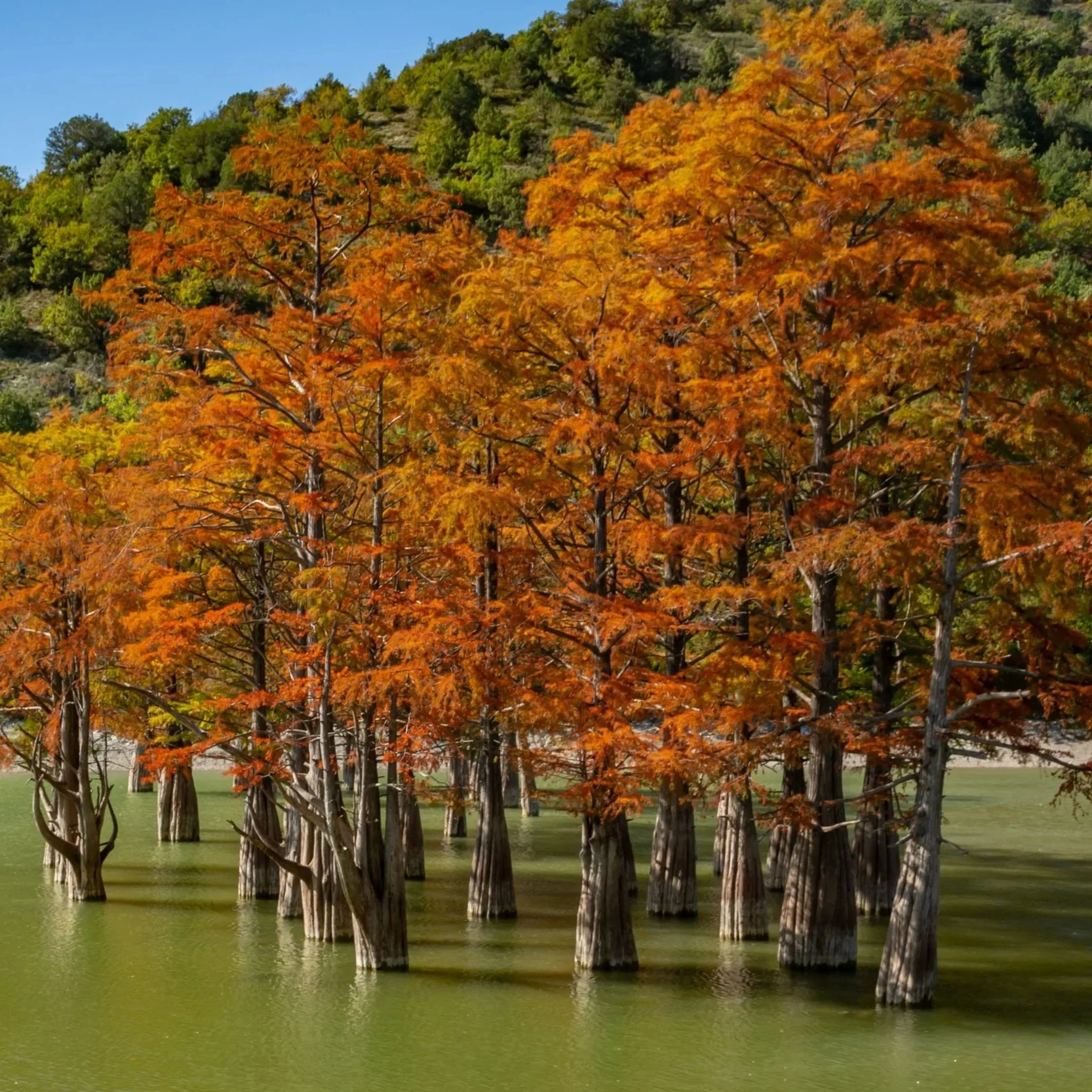
The Bald Cypress is a striking deciduous conifer known for its feathery green foliage, strong vertical form, and remarkable adaptability to both wet and dry conditions. Native to the southeastern United States, this long-lived tree develops a stately presence over time, with soft, needle-like leaves that turn a rich copper-orange in fall before dropping for winter.
Equally at home in standing water or upland soils, the Bald Cypress is ideal for shade, erosion control, and creating a bold focal point in large landscapes.
Bald Cypress Tree Overview
🌿 Botanical Name: Taxodium distichum
🏷️ Common Names: Bald Cypress, Swamp Cypress
🌳 Mature Height: 50–70 feet (up to 100+ in ideal conditions)
🌐 Mature Width: 20–35 feet
📈 Growth Rate: Moderate (12–24 inches per year)
⏳ Lifespan: 100–600+ years
🧊 USDA Zones: 4–9
❄️ Chill Hours: Not required
☀️ Sun Preference: Full sun
🧱 Soil Type: Adaptable; thrives in wet, poorly drained soils but tolerates dry sites
⚖️ Soil pH: Slightly acidic to neutral (5.0–7.5)
💧 Water Needs: Moderate to high; highly tolerant of flooding
🌸 Flower Color: Inconspicuous; produces small cones
🍒 Fruit Type: Woody cones; not ornamental
🐝 Pollinators: Wind-pollinated
🌿 Growth Habit: Upright, pyramidal when young; broadens with age
↔️ Spacing: 20–30 ft apart
🏡 Landscape Uses: Shade tree, water features, rain gardens, large properties
🧹 Maintenance Level: Low
🌧️ Thrives in flood-prone areas and helps manage excess water
🌱 Stabilizes soil and prevents erosion along waterways
🦆 Provides habitat for birds, amphibians, and aquatic life
🌿 Improves biodiversity in wetland and riparian environments
✅ Pros⚠️ Cons🌧️ Extremely tolerant of flooding and wet soils🌳 Large size requires space to mature🍂 Unique deciduous conifer with beautiful fall color🍁 Drops needles seasonally (not evergreen)🧬 Long-lived and highly resilient native species🌱 “Knees” may form in very wet conditions🏡 Excellent for erosion control and water management🐢 Slow to establish in poor conditions🌿 Adaptable to a wide range of soil types✂️ Minimal pruning needed but space planning is key
🛁 Water thoroughly before and after planting to reduce transplant shock
🕳️ Dig a hole twice as wide as the root ball; plant at soil level
🌾 Apply mulch to retain moisture and regulate soil temperature
💦 Water consistently during establishment; tolerant of wet conditions long-term
✂️ Minimal pruning required; shape only if needed when young
🧪 Fertilize lightly in early spring if growth appears slow
The Bald Cypress Tree is a powerful, long-lived native that combines resilience with elegance. Whether planted near water, used for erosion control, or grown as a commanding shade tree, it delivers unmatched durability and natural beauty across generations.
Taxodium distichum
The Bald Cypress is a striking deciduous conifer known for its feathery green foliage, strong vertical form, and remarkable adaptability to both wet and dry conditions. Native to the southeastern United States, this long-lived tree develops a stately presence over time, with soft, needle-like leaves that turn a rich copper-orange in fall before dropping for winter.
Equally at home in standing water or upland soils, the Bald Cypress is ideal for shade, erosion control, and creating a bold focal point in large landscapes.
Bald Cypress Tree Overview
🌿 Botanical Name: Taxodium distichum
🏷️ Common Names: Bald Cypress, Swamp Cypress
🌳 Mature Height: 50–70 feet (up to 100+ in ideal conditions)
🌐 Mature Width: 20–35 feet
📈 Growth Rate: Moderate (12–24 inches per year)
⏳ Lifespan: 100–600+ years
🧊 USDA Zones: 4–9
❄️ Chill Hours: Not required
☀️ Sun Preference: Full sun
🧱 Soil Type: Adaptable; thrives in wet, poorly drained soils but tolerates dry sites
⚖️ Soil pH: Slightly acidic to neutral (5.0–7.5)
💧 Water Needs: Moderate to high; highly tolerant of flooding
🌸 Flower Color: Inconspicuous; produces small cones
🍒 Fruit Type: Woody cones; not ornamental
🐝 Pollinators: Wind-pollinated
🌿 Growth Habit: Upright, pyramidal when young; broadens with age
↔️ Spacing: 20–30 ft apart
🏡 Landscape Uses: Shade tree, water features, rain gardens, large properties
🧹 Maintenance Level: Low
🌧️ Thrives in flood-prone areas and helps manage excess water
🌱 Stabilizes soil and prevents erosion along waterways
🦆 Provides habitat for birds, amphibians, and aquatic life
🌿 Improves biodiversity in wetland and riparian environments
✅ Pros⚠️ Cons🌧️ Extremely tolerant of flooding and wet soils🌳 Large size requires space to mature🍂 Unique deciduous conifer with beautiful fall color🍁 Drops needles seasonally (not evergreen)🧬 Long-lived and highly resilient native species🌱 “Knees” may form in very wet conditions🏡 Excellent for erosion control and water management🐢 Slow to establish in poor conditions🌿 Adaptable to a wide range of soil types✂️ Minimal pruning needed but space planning is key
🛁 Water thoroughly before and after planting to reduce transplant shock
🕳️ Dig a hole twice as wide as the root ball; plant at soil level
🌾 Apply mulch to retain moisture and regulate soil temperature
💦 Water consistently during establishment; tolerant of wet conditions long-term
✂️ Minimal pruning required; shape only if needed when young
🧪 Fertilize lightly in early spring if growth appears slow
The Bald Cypress Tree is a powerful, long-lived native that combines resilience with elegance. Whether planted near water, used for erosion control, or grown as a commanding shade tree, it delivers unmatched durability and natural beauty across generations.