
 Image 1 of 4
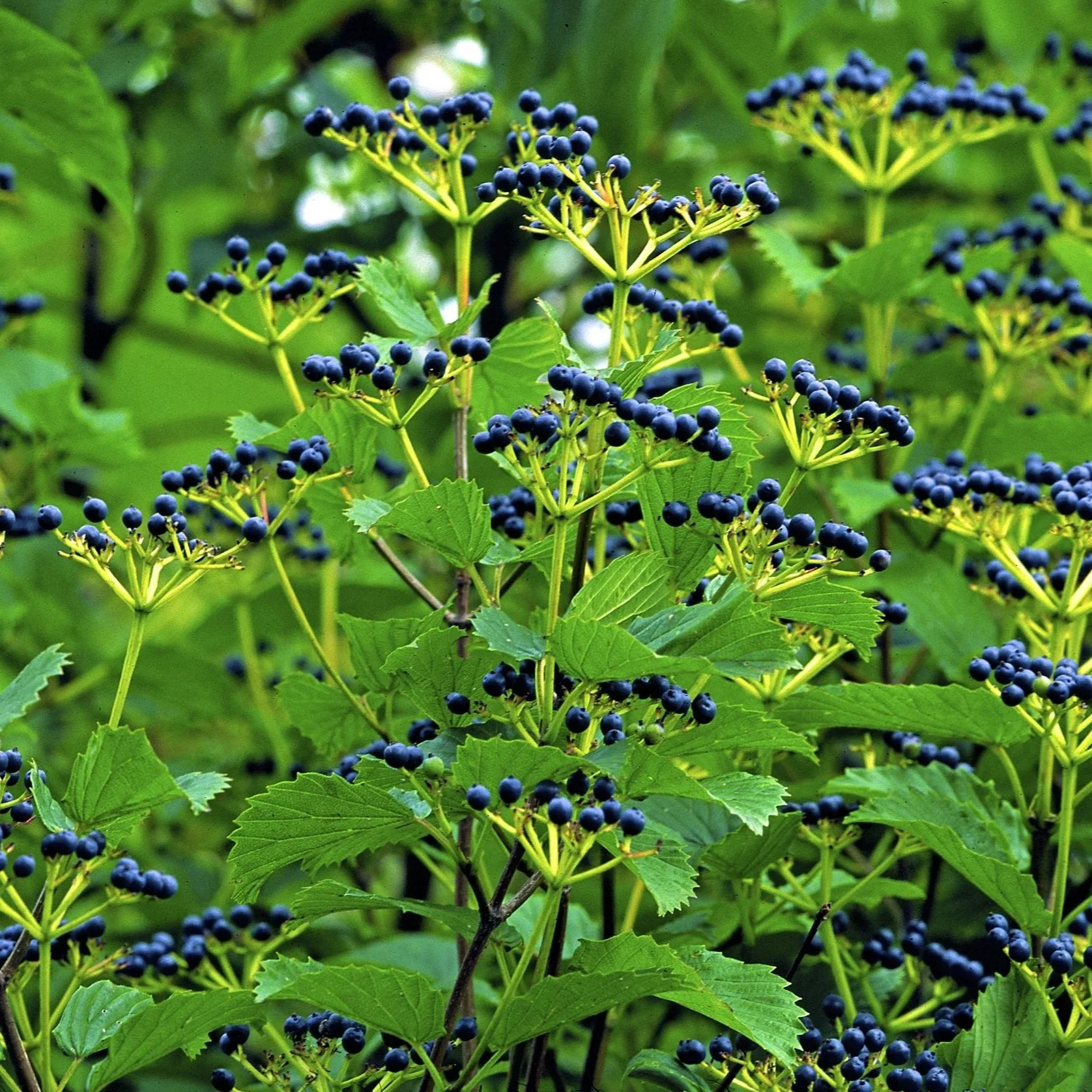 Image 2 of 4
 Image 3 of 4
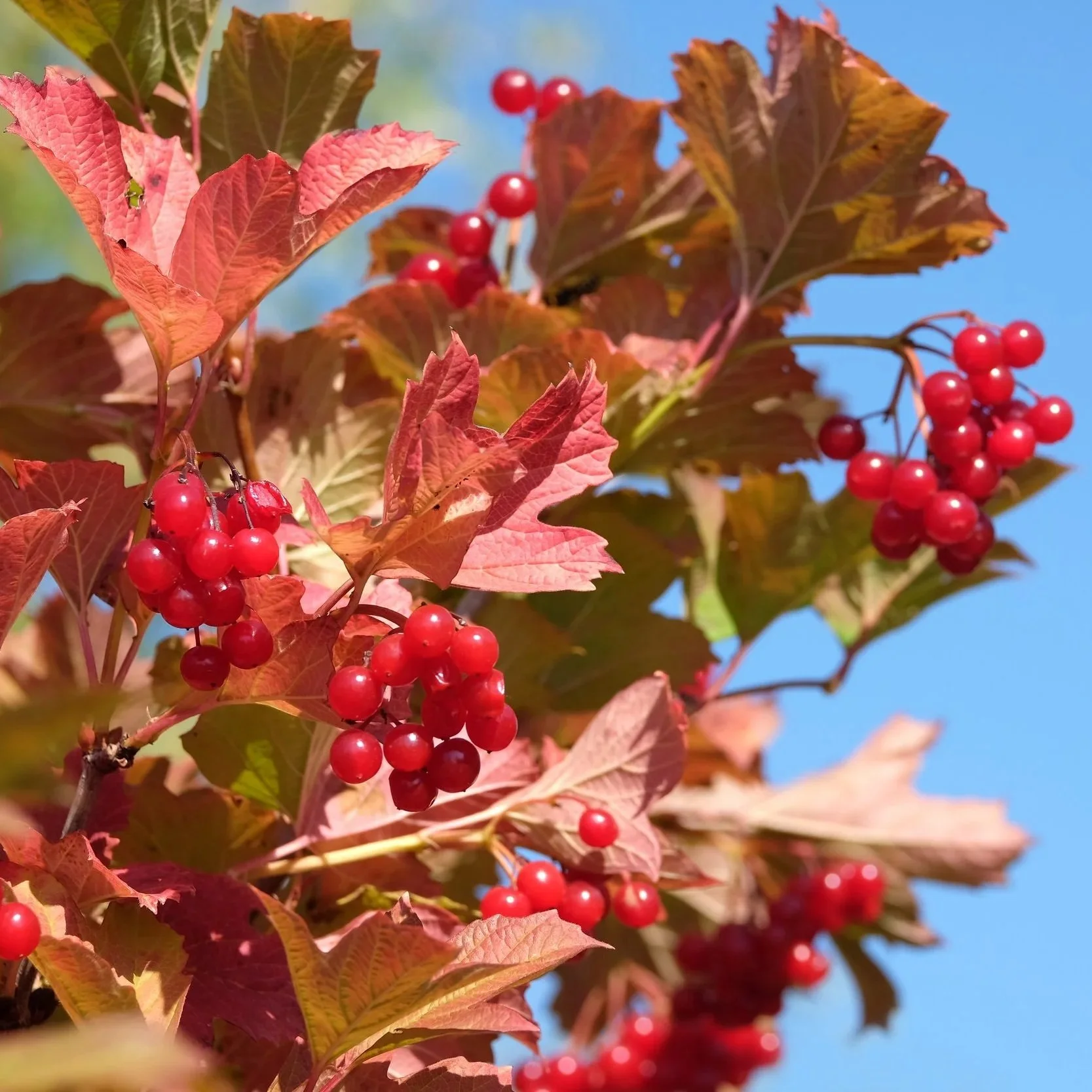 Image 4 of 4
Viburnum dentatum
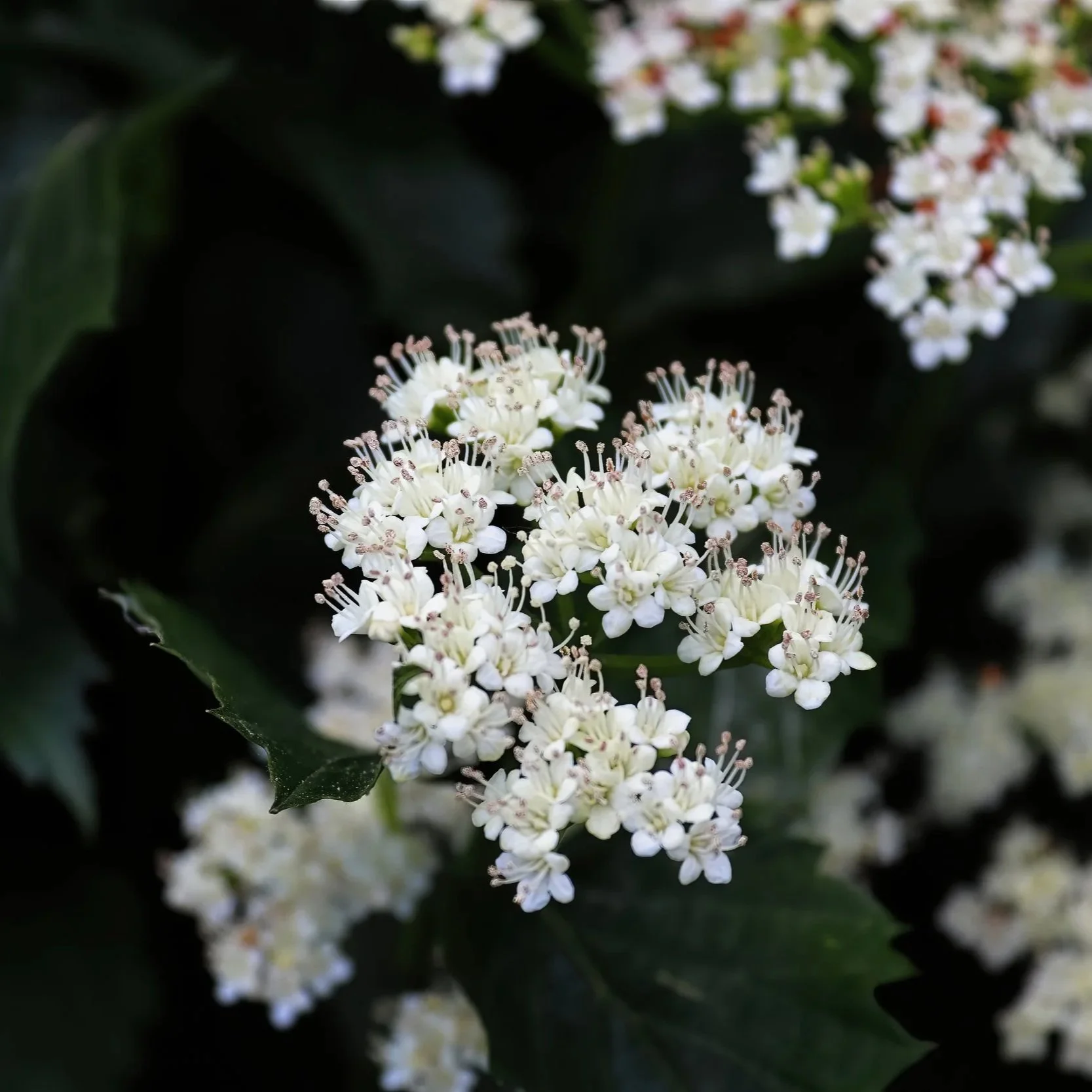
The Arrowwood Viburnum is a hardy native shrub valued for its dense branching, reliable growth, and strong wildlife appeal. In late spring, it produces clusters of creamy white flowers, followed by blue to black berries in fall that attract a wide range of birds. Its foliage transitions to shades of yellow, orange, and red, adding seasonal interest beyond the growing season.
Durable and adaptable, Arrowwood Viburnum is an excellent choice for hedges, naturalized areas, and privacy screens.
Arrowwood Viburnum Overview
🌿 Botanical Name: Viburnum dentatum
🏷️ Common Names: Arrowwood Viburnum, Southern Arrowwood
🌳 Mature Height: 6–10 feet
🌐 Mature Width: 5–10 feet
📈 Growth Rate: Moderate to fast (up to 24 inches per year)
⏳ Lifespan: 30–50+ years
🧊 USDA Zones: 3–8
❄️ Chill Hours: 600–900 hours
☀️ Sun Preference: Full sun to partial shade
🧱 Soil Type: Adaptable; tolerates clay, loam, and sandy soils
⚖️ Soil pH: Slightly acidic to neutral (5.0–7.0)
💧 Water Needs: Moderate; drought tolerant once established
🌸 Flower Color: Creamy white clusters; late spring
🍒 Fruit Type: Blue to black berries; highly attractive to birds
🐝 Pollinators: Attracts bees, butterflies, and beneficial insects
🌿 Growth Habit: Dense, upright, multi-stemmed shrub
↔️ Spacing: 5–8 ft apart
🏡 Landscape Uses: Hedges, privacy screens, native plantings, wildlife gardens
🧹 Maintenance Level: Low
Environmental Benefits
🌸 Provides nectar and pollen for native pollinators
🍇 Produces berries that support birds and small wildlife
🌱 Strengthens native ecosystems and food chains
🌿 Excellent for habitat restoration and naturalized landscapes
Pros & Cons
✅ Strong native shrub with high ecological value
✅ Dense growth ideal for screening and hedges
✅ Reliable flowering and fruiting year after year
✅ Tolerates a wide range of soil conditions
✅ Low maintenance once established
⚠️ Can spread through suckers if not managed
⚠️ May attract viburnum leaf beetles in some regions
⚠️ Can grow large without occasional pruning
⚠️ Fruit not typically used for human consumption
⚠️ Requires space to reach full width
Planting & Care Guide
🛁 Water thoroughly before and after planting to reduce transplant shock
🕳️ Dig a hole twice as wide as the root ball and plant at soil level
🌾 Apply mulch to retain moisture and suppress weeds
💦 Water regularly during establishment; reduce once mature
✂️ Prune after flowering to shape or control size
🧪 Fertilize lightly in early spring if needed
The Arrowwood Viburnum is a dependable, wildlife-friendly native shrub that brings structure, seasonal color, and ecological value to any landscape. Whether used as a hedge, a border plant, or part of a naturalized planting, it delivers long-term performance with minimal effort.
Viburnum dentatum
The Arrowwood Viburnum is a hardy native shrub valued for its dense branching, reliable growth, and strong wildlife appeal. In late spring, it produces clusters of creamy white flowers, followed by blue to black berries in fall that attract a wide range of birds. Its foliage transitions to shades of yellow, orange, and red, adding seasonal interest beyond the growing season.
Durable and adaptable, Arrowwood Viburnum is an excellent choice for hedges, naturalized areas, and privacy screens.
Arrowwood Viburnum Overview
🌿 Botanical Name: Viburnum dentatum
🏷️ Common Names: Arrowwood Viburnum, Southern Arrowwood
🌳 Mature Height: 6–10 feet
🌐 Mature Width: 5–10 feet
📈 Growth Rate: Moderate to fast (up to 24 inches per year)
⏳ Lifespan: 30–50+ years
🧊 USDA Zones: 3–8
❄️ Chill Hours: 600–900 hours
☀️ Sun Preference: Full sun to partial shade
🧱 Soil Type: Adaptable; tolerates clay, loam, and sandy soils
⚖️ Soil pH: Slightly acidic to neutral (5.0–7.0)
💧 Water Needs: Moderate; drought tolerant once established
🌸 Flower Color: Creamy white clusters; late spring
🍒 Fruit Type: Blue to black berries; highly attractive to birds
🐝 Pollinators: Attracts bees, butterflies, and beneficial insects
🌿 Growth Habit: Dense, upright, multi-stemmed shrub
↔️ Spacing: 5–8 ft apart
🏡 Landscape Uses: Hedges, privacy screens, native plantings, wildlife gardens
🧹 Maintenance Level: Low
Environmental Benefits
🌸 Provides nectar and pollen for native pollinators
🍇 Produces berries that support birds and small wildlife
🌱 Strengthens native ecosystems and food chains
🌿 Excellent for habitat restoration and naturalized landscapes
Pros & Cons
✅ Strong native shrub with high ecological value
✅ Dense growth ideal for screening and hedges
✅ Reliable flowering and fruiting year after year
✅ Tolerates a wide range of soil conditions
✅ Low maintenance once established
⚠️ Can spread through suckers if not managed
⚠️ May attract viburnum leaf beetles in some regions
⚠️ Can grow large without occasional pruning
⚠️ Fruit not typically used for human consumption
⚠️ Requires space to reach full width
Planting & Care Guide
🛁 Water thoroughly before and after planting to reduce transplant shock
🕳️ Dig a hole twice as wide as the root ball and plant at soil level
🌾 Apply mulch to retain moisture and suppress weeds
💦 Water regularly during establishment; reduce once mature
✂️ Prune after flowering to shape or control size
🧪 Fertilize lightly in early spring if needed
The Arrowwood Viburnum is a dependable, wildlife-friendly native shrub that brings structure, seasonal color, and ecological value to any landscape. Whether used as a hedge, a border plant, or part of a naturalized planting, it delivers long-term performance with minimal effort.