
 Image 1 of 3
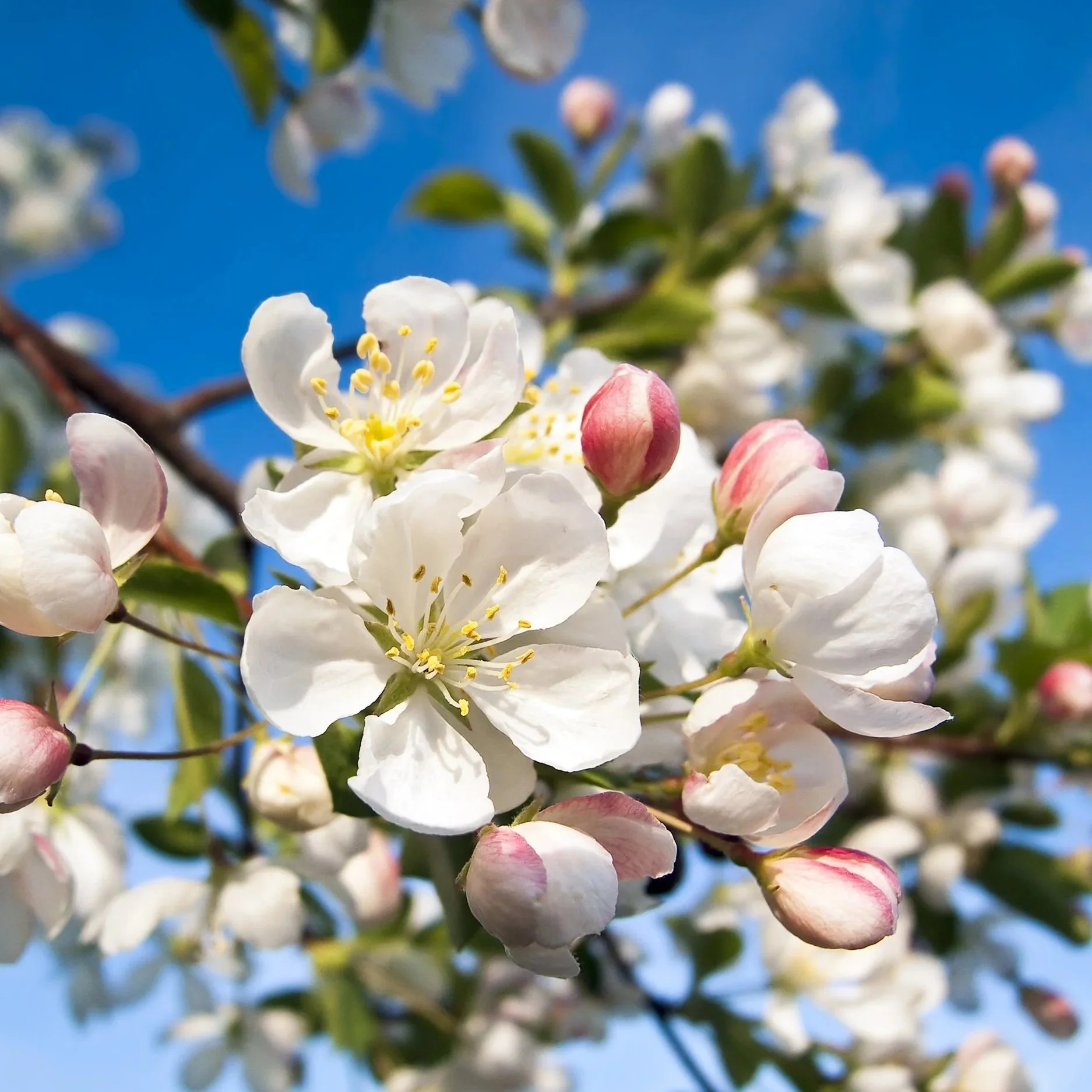 Image 2 of 3
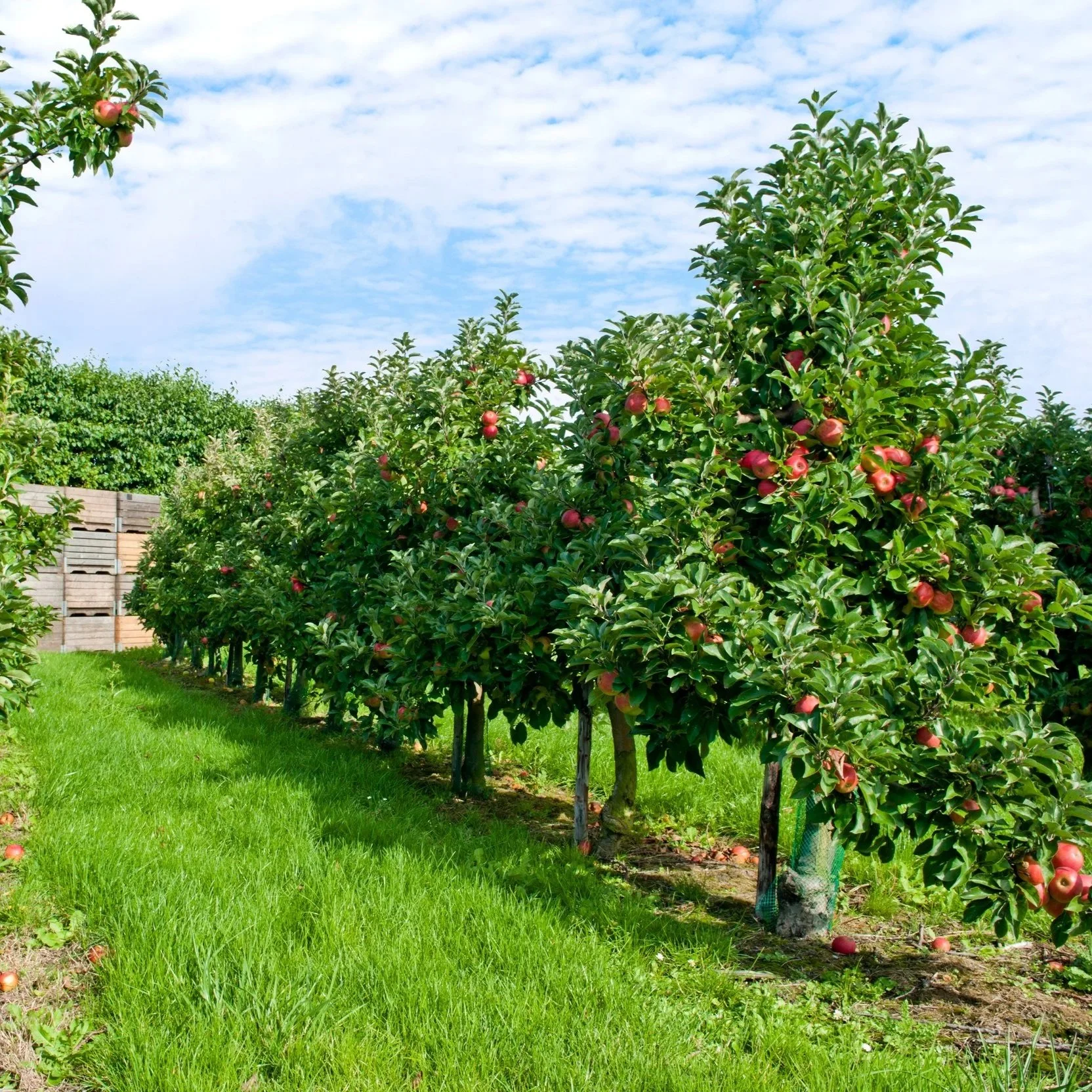 Image 3 of 3
Malus domestica 'Anna'
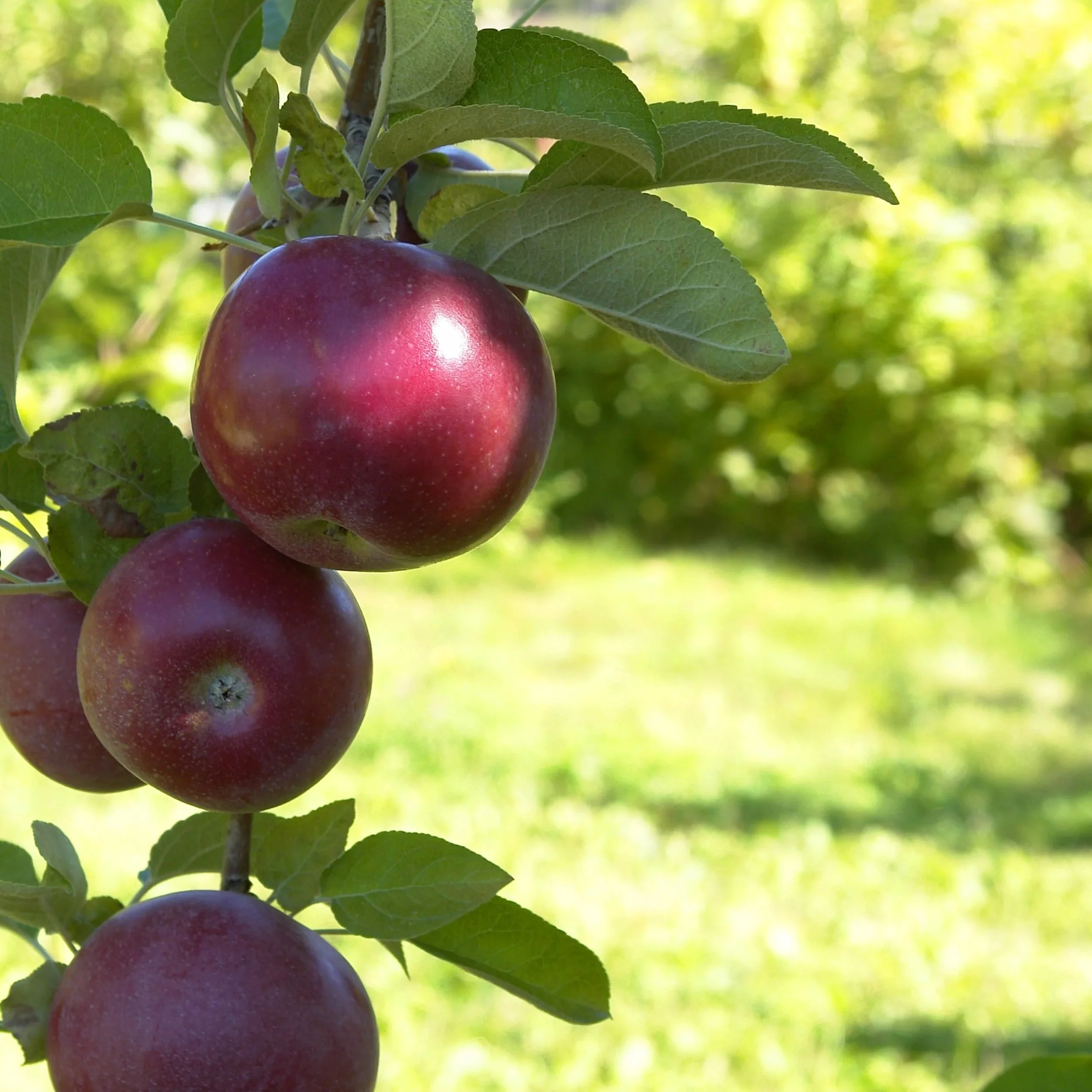
The Anna Apple Tree is one of the best-performing low-chill apple varieties, making it a go-to choice for Southern growers. Bred in Israel to thrive in warm climates, it produces crisp, sweet-tart apples that resemble the popular 'Red Delicious'—but ripen far earlier.
Ideal for fresh eating, juicing, and baking, Anna is self-fertile but benefits from cross-pollination and rewards growers with a heavy early-season harvest.
| Attribute | Details |
|---|---|
| 🌿 Botanical Name | Malus domestica 'Anna' |
| 🏷️ Common Names | Anna Apple |
| 🌳 Mature Height | 15–20 feet (semi-dwarf); 10–12 feet (pruned) |
| 🌐 Mature Width | 10–15 feet |
| 📈 Growth Rate | Moderate to fast |
| ⏳ Lifespan | 35–50+ years |
| 🧊 USDA Zones | 5–9 |
| ❄️ Chill Hours | 200–300 hours |
| ☀️ Sun Preference | Full sun (6–8 hours daily) |
| 🧱 Soil Type | Well-drained loam, sandy loam |
| ⚖️ Soil pH | Slightly acidic to neutral (6.0–7.0) |
| 💧 Water Needs | Moderate; regular watering in dry periods |
| 🌸 Flower Color | Pale pink to white; early spring |
| 🍒 Fruit Type | Medium to large red-blushed yellow apples |
| 🐝 Pollinators | Self-fertile; best with Dorsett Golden or TropicSweet |
| 🌿 Growth Habit | Upright, spreading form |
| ↔️ Spacing | 12–15 ft apart (semi-dwarf); 8–10 ft (pruned) |
| 🏡 Landscape Uses | Home orchards, edible landscapes, backyard gardens |
| 🧹 Maintenance Level | Moderate (pruning and thinning required) |
🌸 Provides early spring blooms for pollinators
🍎 Offers a productive, pesticide-conscious food source
🌱 Encourages homegrown sustainability and food security
🌧️ Helps shade and cool microclimates when mature
| ✅ Pros | ⚠️ Cons |
|---|---|
| 🍎 Early-season harvest in warm climates | 🐛 Susceptible to fire blight and apple pests |
| 🌸 Low chill hours make it ideal for the South | ✂️ Requires pruning and thinning for best yield |
| 🍏 Crisp, sweet apples good for fresh eating & pies | 🕰️ Short shelf life compared to storage apples |
| 🐝 Self-fertile but thrives with a pollinator | 💦 Needs regular watering in hot/dry zones |
| 🧬 Fast growth and early fruit production | 🌳 Can outgrow small spaces if not maintained |
🛁 Soak roots or rootball before planting to hydrate
🕳️ Dig a wide hole, loosen soil, and plant at original depth
🌾 Mulch 2–3 inches deep but keep away from trunk base
💦 Water deeply 1–2 times per week in first year
✂️ Prune during dormancy to shape and remove crossing branches
🧪 Fertilize in early spring with balanced organic tree food
The Anna Apple Tree is a champion of warm-climate orchards, delivering crisp, juicy fruit with minimal chill requirements. Its early bloom, fast growth, and reliable harvest make it a favorite for Southern gardeners seeking orchard-quality apples without the cold.
Malus domestica 'Anna'
The Anna Apple Tree is one of the best-performing low-chill apple varieties, making it a go-to choice for Southern growers. Bred in Israel to thrive in warm climates, it produces crisp, sweet-tart apples that resemble the popular 'Red Delicious'—but ripen far earlier.
Ideal for fresh eating, juicing, and baking, Anna is self-fertile but benefits from cross-pollination and rewards growers with a heavy early-season harvest.
| Attribute | Details |
|---|---|
| 🌿 Botanical Name | Malus domestica 'Anna' |
| 🏷️ Common Names | Anna Apple |
| 🌳 Mature Height | 15–20 feet (semi-dwarf); 10–12 feet (pruned) |
| 🌐 Mature Width | 10–15 feet |
| 📈 Growth Rate | Moderate to fast |
| ⏳ Lifespan | 35–50+ years |
| 🧊 USDA Zones | 5–9 |
| ❄️ Chill Hours | 200–300 hours |
| ☀️ Sun Preference | Full sun (6–8 hours daily) |
| 🧱 Soil Type | Well-drained loam, sandy loam |
| ⚖️ Soil pH | Slightly acidic to neutral (6.0–7.0) |
| 💧 Water Needs | Moderate; regular watering in dry periods |
| 🌸 Flower Color | Pale pink to white; early spring |
| 🍒 Fruit Type | Medium to large red-blushed yellow apples |
| 🐝 Pollinators | Self-fertile; best with Dorsett Golden or TropicSweet |
| 🌿 Growth Habit | Upright, spreading form |
| ↔️ Spacing | 12–15 ft apart (semi-dwarf); 8–10 ft (pruned) |
| 🏡 Landscape Uses | Home orchards, edible landscapes, backyard gardens |
| 🧹 Maintenance Level | Moderate (pruning and thinning required) |
🌸 Provides early spring blooms for pollinators
🍎 Offers a productive, pesticide-conscious food source
🌱 Encourages homegrown sustainability and food security
🌧️ Helps shade and cool microclimates when mature
| ✅ Pros | ⚠️ Cons |
|---|---|
| 🍎 Early-season harvest in warm climates | 🐛 Susceptible to fire blight and apple pests |
| 🌸 Low chill hours make it ideal for the South | ✂️ Requires pruning and thinning for best yield |
| 🍏 Crisp, sweet apples good for fresh eating & pies | 🕰️ Short shelf life compared to storage apples |
| 🐝 Self-fertile but thrives with a pollinator | 💦 Needs regular watering in hot/dry zones |
| 🧬 Fast growth and early fruit production | 🌳 Can outgrow small spaces if not maintained |
🛁 Soak roots or rootball before planting to hydrate
🕳️ Dig a wide hole, loosen soil, and plant at original depth
🌾 Mulch 2–3 inches deep but keep away from trunk base
💦 Water deeply 1–2 times per week in first year
✂️ Prune during dormancy to shape and remove crossing branches
🧪 Fertilize in early spring with balanced organic tree food
The Anna Apple Tree is a champion of warm-climate orchards, delivering crisp, juicy fruit with minimal chill requirements. Its early bloom, fast growth, and reliable harvest make it a favorite for Southern gardeners seeking orchard-quality apples without the cold.