
 Image 1 of 2
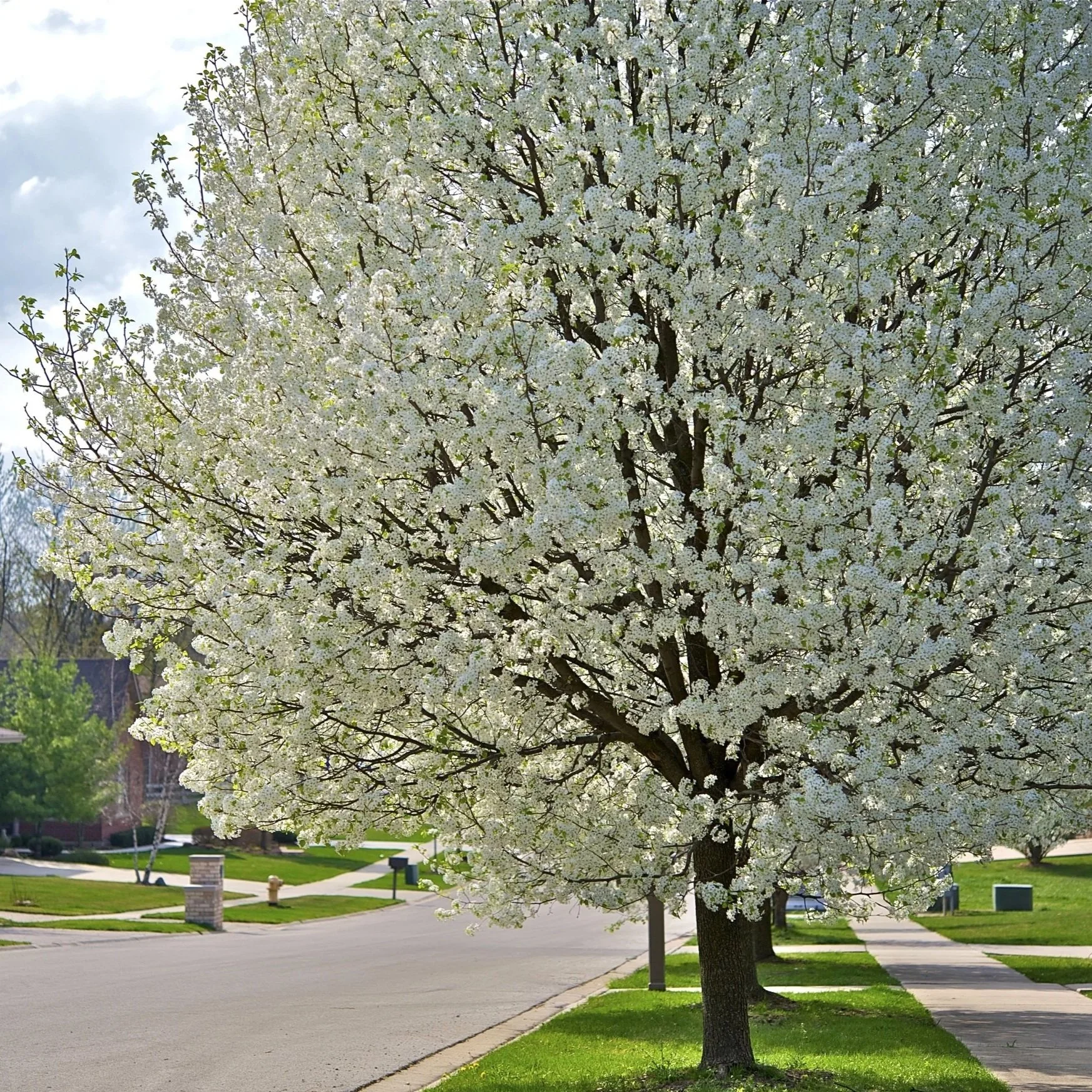 Image 2 of 2
Prunus americana
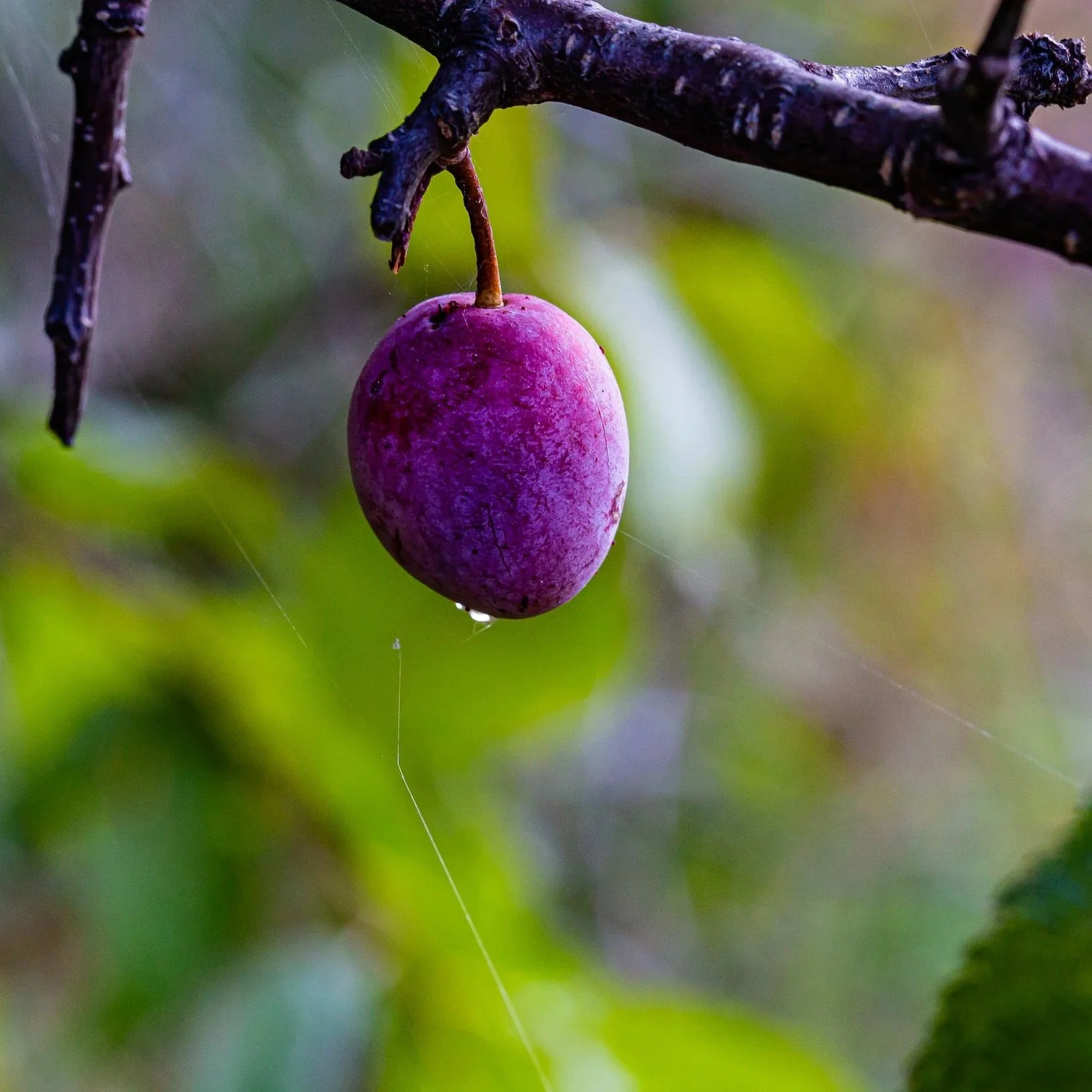
The American Plum Tree is a hardy, native fruit tree beloved for its fragrant white spring blossoms, sweet-tart plums, and incredible wildlife value. This small tree or large shrub thrives in diverse environments and supports everything from pollinators to birds and mammals.
Equally at home in edible landscapes, native hedgerows, or wild borders, the American Plum delivers rustic charm, seasonal beauty, and bountiful fruit — all with minimal maintenance.
| Attribute | Details |
|---|---|
| 🌿 Botanical Name | Prunus americana |
| 🏷️ Common Names | American Plum, Wild Plum, Sand Plum |
| 🌳 Mature Height | 10–20 feet |
| 🌐 Mature Width | 10–15 feet |
| 📈 Growth Rate | Fast (up to 24"+ per year) |
| ⏳ Lifespan | 20–40+ years |
| 🧊 USDA Zones | 3–8 |
| ❄️ Chill Hours | 800–1,000 hours |
| ☀️ Sun Preference | Full sun (best fruiting) to partial shade |
| 🧱 Soil Type | Well-drained loam, clay, or sandy soils |
| ⚖️ Soil pH | Slightly acidic to neutral (5.5–7.0) |
| 💧 Water Needs | Low to moderate once established |
| 🌸 Flower Color | White, fragrant clusters in early spring |
| 🍒 Fruit Type | Small round red-to-yellow plums; sweet-tart flavor |
| 🐝 Pollinators | Attracts bees, butterflies, hoverflies |
| 🌿 Growth Habit | Multi-stemmed small tree or large shrub |
| ↔️ Spacing | 10–15 ft apart |
| 🏡 Landscape Uses | Edible landscaping, wildlife borders, windbreaks |
| 🧹 Maintenance Level | Low to moderate |
🌸 One of the earliest spring bloomers for pollinators
🍑 Fruit feeds birds, deer, foxes, raccoons, and other wildlife
🌿 Spreads naturally via suckers, aiding in habitat creation
🌬️ Useful for windbreaks, erosion control, and food forests
| ✅ Pros | ⚠️ Cons |
|---|---|
| 🍑 Edible, sweet-tart plums great for preserves & fresh eating | 🐾 Can sucker and form thickets without pruning |
| 🐝 Vital early-season pollinator source | 🍒 Fruit drop may require cleanup in lawn areas |
| 🌿 Native, fast-growing, cold-hardy | 🐛 Susceptible to plum curculio or fungal leaf spot |
| 🏡 Excellent for edible or naturalized landscapes | ✂️ Light pruning may be needed to manage spread |
| 🎨 Stunning spring flowers and fall foliage | 🌞 Requires full sun for optimal fruit production |
🛁 Soak roots or water thoroughly before planting
🕳️ Dig hole twice as wide as the root ball and match soil line
🌾 Add mulch to conserve water and protect shallow roots
💦 Water regularly during first growing season; then taper off
✂️ Prune in late winter to remove damaged wood or shape
🧪 Use compost or a mild balanced fertilizer in spring if needed
The American Plum Tree is a rugged, fruit-bearing native that brings life, color, and flavor to your landscape. From fragrant spring blooms to delicious summer fruit and vibrant fall leaves, this tree is a perfect choice for growers who value beauty, biodiversity, and practicality in one hardy package.
Prunus americana
The American Plum Tree is a hardy, native fruit tree beloved for its fragrant white spring blossoms, sweet-tart plums, and incredible wildlife value. This small tree or large shrub thrives in diverse environments and supports everything from pollinators to birds and mammals.
Equally at home in edible landscapes, native hedgerows, or wild borders, the American Plum delivers rustic charm, seasonal beauty, and bountiful fruit — all with minimal maintenance.
| Attribute | Details |
|---|---|
| 🌿 Botanical Name | Prunus americana |
| 🏷️ Common Names | American Plum, Wild Plum, Sand Plum |
| 🌳 Mature Height | 10–20 feet |
| 🌐 Mature Width | 10–15 feet |
| 📈 Growth Rate | Fast (up to 24"+ per year) |
| ⏳ Lifespan | 20–40+ years |
| 🧊 USDA Zones | 3–8 |
| ❄️ Chill Hours | 800–1,000 hours |
| ☀️ Sun Preference | Full sun (best fruiting) to partial shade |
| 🧱 Soil Type | Well-drained loam, clay, or sandy soils |
| ⚖️ Soil pH | Slightly acidic to neutral (5.5–7.0) |
| 💧 Water Needs | Low to moderate once established |
| 🌸 Flower Color | White, fragrant clusters in early spring |
| 🍒 Fruit Type | Small round red-to-yellow plums; sweet-tart flavor |
| 🐝 Pollinators | Attracts bees, butterflies, hoverflies |
| 🌿 Growth Habit | Multi-stemmed small tree or large shrub |
| ↔️ Spacing | 10–15 ft apart |
| 🏡 Landscape Uses | Edible landscaping, wildlife borders, windbreaks |
| 🧹 Maintenance Level | Low to moderate |
🌸 One of the earliest spring bloomers for pollinators
🍑 Fruit feeds birds, deer, foxes, raccoons, and other wildlife
🌿 Spreads naturally via suckers, aiding in habitat creation
🌬️ Useful for windbreaks, erosion control, and food forests
| ✅ Pros | ⚠️ Cons |
|---|---|
| 🍑 Edible, sweet-tart plums great for preserves & fresh eating | 🐾 Can sucker and form thickets without pruning |
| 🐝 Vital early-season pollinator source | 🍒 Fruit drop may require cleanup in lawn areas |
| 🌿 Native, fast-growing, cold-hardy | 🐛 Susceptible to plum curculio or fungal leaf spot |
| 🏡 Excellent for edible or naturalized landscapes | ✂️ Light pruning may be needed to manage spread |
| 🎨 Stunning spring flowers and fall foliage | 🌞 Requires full sun for optimal fruit production |
🛁 Soak roots or water thoroughly before planting
🕳️ Dig hole twice as wide as the root ball and match soil line
🌾 Add mulch to conserve water and protect shallow roots
💦 Water regularly during first growing season; then taper off
✂️ Prune in late winter to remove damaged wood or shape
🧪 Use compost or a mild balanced fertilizer in spring if needed
The American Plum Tree is a rugged, fruit-bearing native that brings life, color, and flavor to your landscape. From fragrant spring blooms to delicious summer fruit and vibrant fall leaves, this tree is a perfect choice for growers who value beauty, biodiversity, and practicality in one hardy package.